The plastics choking our environment have found their way into places we might never expect: beneath our fingernails as we dig in the soil, woven into the fabric of our vegetables, and embedded in the earth itself. Microplastics—microscopic fragments created when plastic products degrade—now permeate nearly every ecosystem, from ocean depths to mountain peaks to the humble garden plot. For Malaysian and Southeast Asian gardeners, the presence of these particles in soil represents both a personal health concern and a wider environmental challenge that demands immediate attention and behavioural change.
The contamination pathway is more insidious than most realise. Plastic products in the garden—seed trays, pots, mulch films, and fertiliser bags—gradually fragment into ever-smaller pieces that settle into soil and get absorbed by plant roots. From there, these particles enter our food chain. Simultaneously, microplastics are already present in purchased compost, potting soil, and even irrigation water. The problem compounds because soils enriched with these materials become harder to remediate; microplastics persist for centuries, accumulating over time. For a region like Southeast Asia, where many households depend on home gardening for food security and where waste management infrastructure remains inconsistent, the issue demands urgent practical solutions.
Soil health underpins everything a gardener attempts to cultivate. Beneath the surface, millions of bacteria, fungi, and other microorganisms work invisibly to break down organic matter, cycle nutrients, and create the structure that roots need to thrive. Microplastics interfere with this delicate ecosystem by reducing microbial populations and altering soil chemistry. When these particles accumulate over seasons and years, soil productivity declines and crops become more vulnerable to disease. The economic implications for smallholder farmers and home gardeners in Malaysia and neighbouring countries are significant—healthier soil means fewer inputs required, lower fertiliser costs, and better harvests.
The shift away from plastic starts with seeds themselves. Rather than purchasing plastic seed-starting trays that will clutter landfills within a season, gardeners can invest in a soil-blocking kit—a simple tool using metal moulds to compress moist compost mixtures into free-standing cubes. These blocks offer an unexpected horticultural advantage: as roots reach the cube's edges and encounter air, they respond by developing denser, more robust root systems rather than circling endlessly inside a pot. This air-pruning process produces transplants that establish faster in gardens, reducing transplant shock and increasing survival rates. For Malaysian gardeners with limited space, this means better efficiency and faster crop maturation.
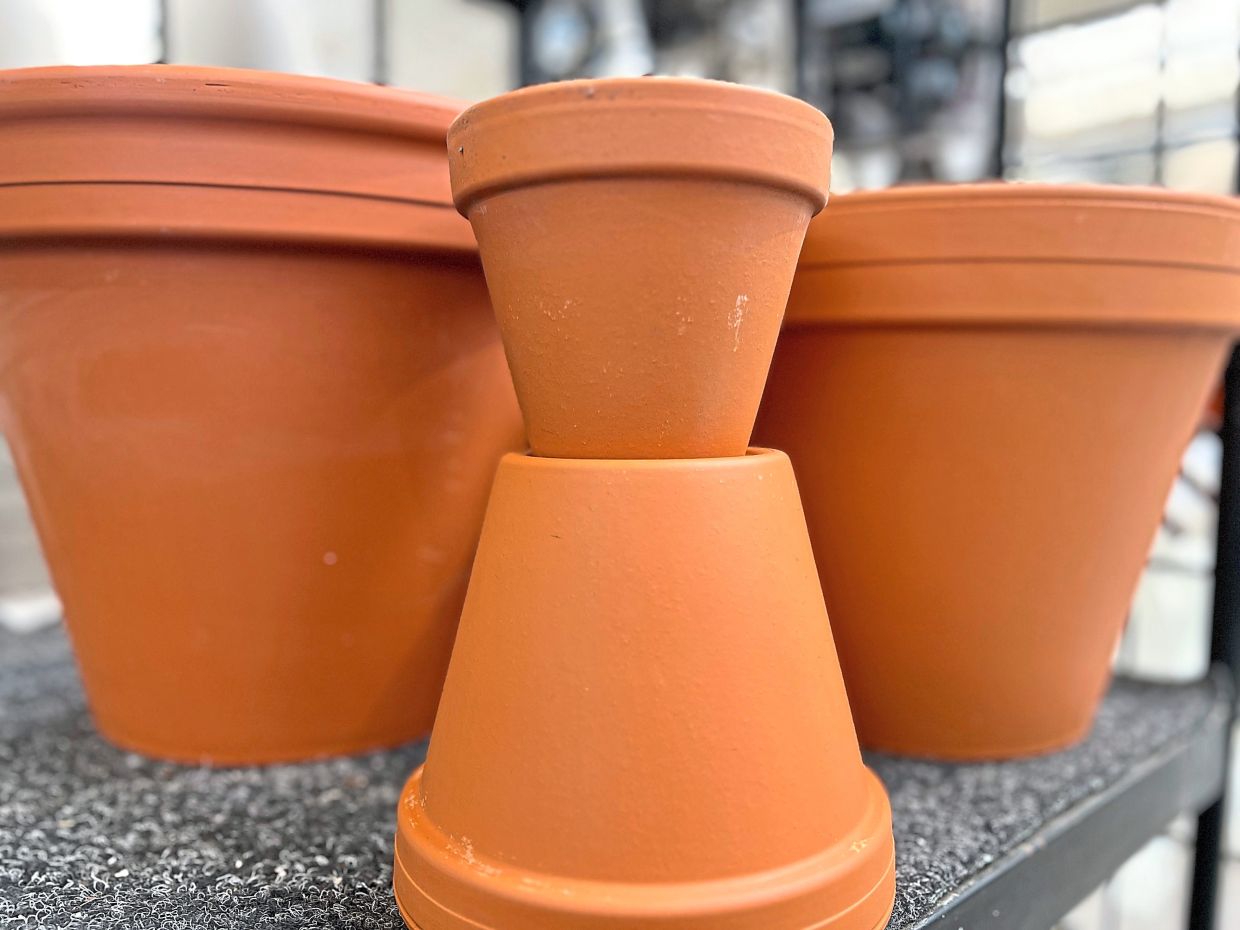
When soil blocks aren't practical, readily available alternatives exist throughout the region. Biodegradable pots made from compressed coir—coconut fibre—and composted manure have become increasingly accessible in Southeast Asia, aligning perfectly with the region's agricultural heritage and waste-reduction goals. For larger specimens, terracotta and wood containers perform excellently in tropical climates, with terracotta's porosity particularly beneficial in humid environments where root rot poses constant risk. Fabric grow bags represent another excellent option, especially for root crops, herbs, and tomatoes popular in Malaysian cuisine; modern versions utilise natural fibres rather than synthetic polymers, and the roll-up harvesting doors on potato bags reduce garden labour considerably.
The sourcing of plants themselves warrants deliberate choice. Bare-root plants—commonly available during planting seasons at local nurseries—eliminate the plastic pot question entirely and often cost less than containerised specimens. They also adapt more readily to local soil conditions, a particular advantage in Malaysia's diverse microclimates. Making this preference known to nurseries signals market demand for sustainable practices, gradually shifting entire supply chains toward responsibility.
Composting represents perhaps the single most transformative practice a gardener can adopt to reduce plastic dependence. Homemade compost eliminates the need for bagged amendments, removes plastic packaging from the waste stream entirely, and grants complete knowledge of what enriches the soil. For Malaysian gardeners where organic waste disposal challenges persist, composting simultaneously addresses multiple environmental concerns. Where space or household circumstances prevent home composting, purchasing compost in bulk from suppliers significantly reduces packaging waste compared to individual bags, and bulk options typically cost considerably less per volume.
Garden infrastructure often requires materials to manage weeds, support plants, and organise spaces. Canvas tarps—increasingly stocked by regional suppliers—outperform plastic sheeting in tropical climates and degrade naturally when finally discarded. Landscape fabric, often recommended in Western gardening literature, traps moisture and seeds in Southeast Asia's humid environment; shredded bark, wood chips, and dry leaves provide superior weed suppression while feeding soil microorganisms as they decompose. In fire-prone areas, where mulch safety becomes critical, gravel serves dual purposes as both barrier and flame-resistant medium.
Supporting climbing plants and securing tall specimens need not involve plastic ties or synthetic stakes. Bamboo and wooden supports—abundantly available throughout Malaysia and Southeast Asia—biodegrade after several seasons of use, returning carbon to soil rather than persisting as plastic fragments. Natural twines from hemp or jute replace plastic-coated alternatives. Even plant markers can shift from plastic labels to wooden popsicle sticks inscribed with pencil, adding a craft element that engages gardeners more deeply with their plants.
The reality of gardening in the modern world sometimes requires purchasing plastic items. When unavoidable, the principle becomes durability: selecting heavy-duty, reusable trays designed for decades of use represents exponentially less plastic pollution than purchasing flimsy disposables season after season. A single robust seed tray used repeatedly for fifteen years eliminates the need for dozens of inferior alternatives. This mindset—viewing gardening tools as lasting investments rather than consumables—reshapes purchasing decisions across all categories.
Transformation happens through accumulated small decisions rather than dramatic overnight changes. Each plastic-free choice in the garden reduces personal contribution to a global contamination crisis while simultaneously producing healthier soil, more resilient plants, and often lower long-term costs. For Malaysian gardeners particularly, adopting these practices reconnects modern horticulture with traditional methods that sustained agriculture for generations before plastics arrived. The cumulative impact of individual gardeners making conscious choices ripples outward, influencing family members, neighbours, and eventually suppliers and policy-makers. In a region where environmental challenges feel overwhelming, the garden offers something precious: a space where individual action produces visible, immediate results.

