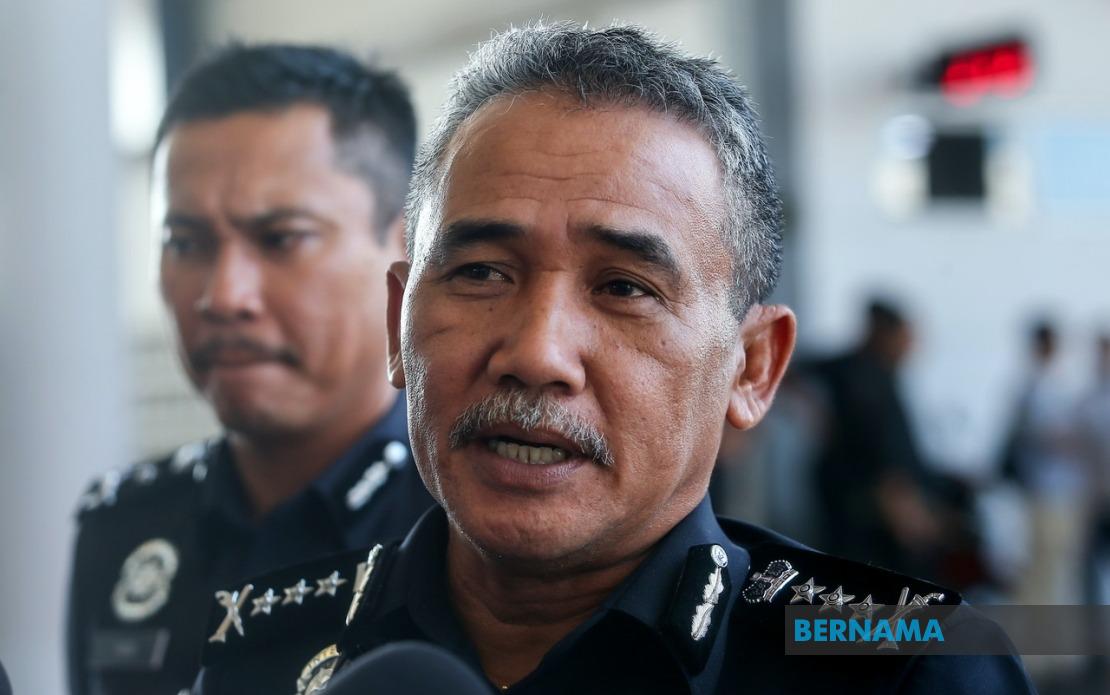
The Kedah Police Contingent has opened 69 disciplinary investigation papers affecting 90 Royal Malaysian Police personnel and civil servants during the opening half of 2026, according to state police chief Datuk Adzli Abu Shah. The figure encompasses 11 senior officers, 76 junior officers, and three government administrative staff stationed across the state. This marks a notable reduction from the 155 cases initiated during the first six months of 2025, which had involved 294 individuals across a similar employment breakdown of 39 senior officers, 248 junior officers, and seven civil servants.
The cases documented over the January to June period encompassed a diverse range of alleged violations spanning multiple categories of wrongdoing. Three investigations related to syariah crimes, while four centred on commercial crime offences. The disciplinary machinery also initiated seven corruption-related inquiries and 11 traffic-related investigations. Drug-related misconduct accounted for 24 separate cases, whereas 33 investigations touched on general criminal matters. The remaining 142 papers dealt with various other breaches of discipline and conduct standards within the force.
Datuk Adzli delivered these figures during the Kedah Police Contingent's monthly assembly held at its headquarters in Alor Setar, emphasising that the declining trajectory represented progress in managing force integrity. He underscored that the police administration maintains an uncompromising stance toward personnel whose conduct undermines institutional reputation. Remedial measures implemented against those substantiated to have engaged in wrongdoing have ranged from detention through to suspension and, in serious cases, dismissal from service.
The police chief addressed persistent public misconceptions regarding internal accountability mechanisms, directly challenging the widespread perception that police personnel benefit from institutional protection or lenient treatment. Adzli clarified that suspension represents an initial precautionary measure rather than punishment, designed to interrupt patterns of misconduct and prevent further harm to community safety. He illustrated this principle through operational examples, noting that officers implicated in serious crimes such as robbery or extortion would be reassigned to administrative or office-based roles where they could not exploit direct community access.
Crucially, Adzli stressed that reassignment and suspension do not terminate investigative processes. Instead, these interim measures maintain parallel to ongoing fact-finding while simultaneously removing the opportunity for continued or recurring offences. This distinction proves important for Malaysian public perception, as transparency regarding investigation timelines and eventual disciplinary outcomes remains central to rebuilding confidence in police accountability. The chief's remarks signal an institutional effort to demonstrate that internal disciplinary mechanisms function with rigour comparable to external oversight.
The reduction in disciplinary cases from 2025 to 2026 may reflect improved recruitment and vetting procedures, enhanced training in professional standards, or simply normal annual variation in misconduct rates. However, the continuing volume—nearly 70 cases in six months—underscores that misconduct remains an ongoing challenge for the 20,000-plus strong Kedah police establishment. The breadth of alleged violations, from petty traffic breaches to serious corruption and drug offences, indicates that accountability issues span all employment tiers and command levels.
For Malaysian readers and Southeast Asian observers monitoring police reform trajectories, the Kedah data provides instructive context. Many regional policing systems face criticism regarding perceived impunity for institutional wrongdoing, and Malaysia's police service has historically encountered public scepticism about whether internal discipline truly functions independently. Regular publication of disciplinary statistics and transparency around case categories offer measurable indicators of institutional accountability, though detailed outcomes—how many cases resulted in dismissals versus reprimands—would further strengthen public credibility.
The chief also addressed unrelated community safety concerns during the monthly assembly, acknowledging reports of mysterious knocking noises disturbing residents across Kota Setar district. In response, police have augmented patrols throughout affected neighbourhoods, reflecting both responsive community policing and efforts to address anxieties about public safety. This proactive stance demonstrates how police leadership attempts to balance internal accountability initiatives with demonstrable commitment to external service delivery.
Moving forward, the Kedah Police Contingent's trajectory will be marked by whether the downward trend in disciplinary cases continues and whether public perception of accountability mechanisms shifts correspondingly. The state police force operates under increasing scrutiny regarding institutional integrity, particularly as national conversations around police reform and citizen confidence gain prominence across Malaysia. Datuk Adzli's emphatic statements rejecting the notion of preferential treatment for uniformed personnel signal senior leadership commitment to evidence-based accountability, though sustained institutional change requires consistent implementation across all command levels and sustained public communication of outcomes.

