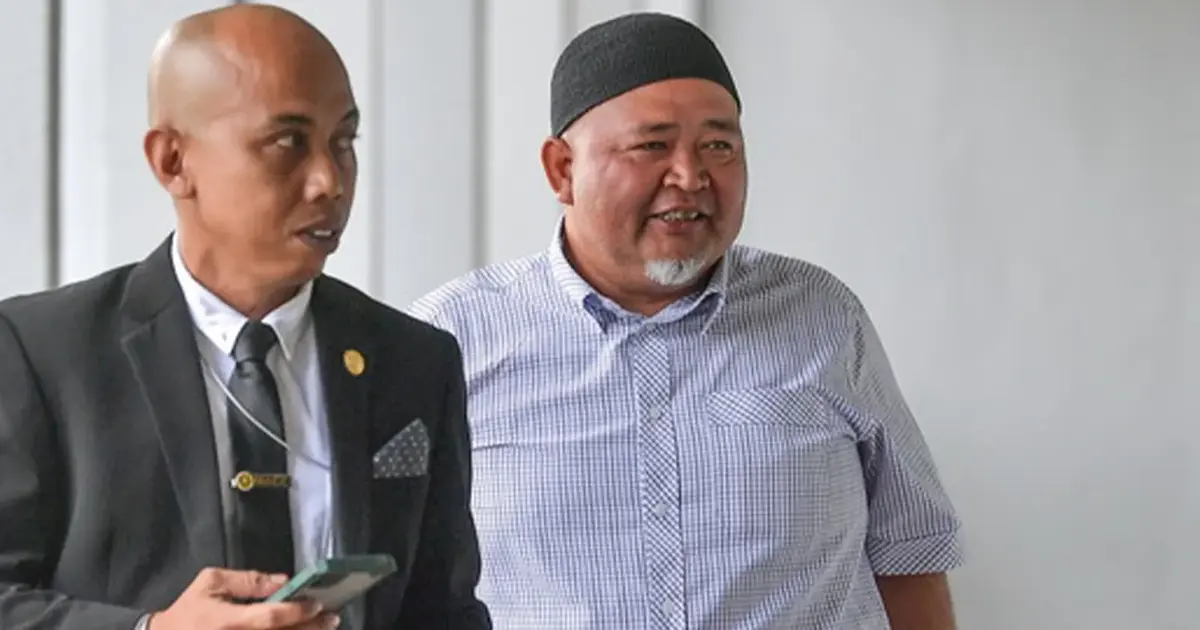
A former aide to Kedah's Chief Minister has been ordered to enter his defence after a Kuala Lumpur court found that prosecutors had constructed a sufficient legal foundation to proceed with rare earth bribery allegations. Sessions court judge Suzana Hussin determined that the evidence presented during the prosecution's case had established a prima facie matter, compelling Hilmi Abdul Wahab to respond to the charges levelled against him. This ruling represents a significant moment in what appears to be an uncommon case linking rare earth mineral dealings to political corruption at the state level.
The decision to require the defence to proceed marks a critical juncture in Malaysian jurisprudence concerning rare earth-related corruption matters. Such cases remain relatively infrequent in the domestic legal system, making this development noteworthy for observers of white-collar crime prosecutions and political accountability. The rare earth sector has attracted increasing international and domestic scrutiny given Malaysia's position as a significant player in the global rare earth supply chain, and any corruption allegations touching on this industry carry wider implications for foreign investor confidence and regulatory oversight.
Hilmi Abdul Wahab's connection to Kedah's chief ministerial office adds a layer of political significance to the proceedings. State-level officials and their immediate aides occupy positions of considerable influence over resource allocation and business licensing, particularly in matters involving mineral extraction and related industrial activity. The allegations against someone functioning in such proximity to executive power underscore ongoing tensions between political patronage networks and transparent governance structures in Malaysia's federal system.
The court's determination that the prosecution met the threshold for establishing a prima facie case indicates that the evidence presented—including documentation, witness testimony, and potentially financial records—was sufficient to demonstrate that a reasonable court, acting without bias, could return a conviction based solely on the prosecution's account. This legal standard does not require the judge to conclude the charges are proven beyond reasonable doubt at this stage; rather, it sets a lower bar designed to prevent frivolous or baseless prosecutions from proceeding to trial.
The rare earth materials industry occupies a unique position within Malaysia's resource economy. These minerals are essential inputs for manufacturing electronics, renewable energy equipment, and advanced defence systems globally. Malaysia has long hosted rare earth processing facilities, and the sector generates significant economic activity and employment. Any perception of corrupt practices affecting licensing, environmental approvals, or supply contracts could potentially undermine the sector's reputation and Malaysia's competitive standing in international rare earth markets where reliability and governance standards increasingly matter to end-users.
For Hilmi Abdul Wahab, the transition from the prosecution phase to mounting a defence carries substantial personal and professional stakes. He must now present evidence, call witnesses, and construct arguments capable of rebutting the allegations before the court. The burden of proof remains on prosecutors, but the judge's finding essentially validated that they had presented a coherent narrative supported by material evidence. The former aide's legal team will likely focus on challenging either the interpretation of evidence, the credibility of witnesses, or the legal characterization of conduct as bribery under relevant statutes.
The political dimensions of this case extend beyond the immediate parties involved. Kedah has experienced considerable administrative turbulence in recent years, with multiple changes in state leadership and recurring allegations of governance irregularities across various portfolios. This case adds to a broader pattern of legal scrutiny affecting state-level officials and their associates. For the current Kedah government and the Pakatan Harapan coalition of which it is part, such prosecutions complicate messaging around anti-corruption commitments while simultaneously demonstrating that the legal system functions independently of political considerations.
International observers monitoring Malaysia's governance trajectory pay particular attention to how white-collar crime cases proceed through the courts, especially those involving state apparatus officials. The decision to prosecute Hilmi Abdul Wahab and the court's determination that prima facie evidence exists suggest that investigating authorities and prosecutors believe the case warrants serious legal engagement. Conversely, the outcome of the defence phase will communicate important signals about evidentiary standards, witness reliability, and judicial analysis of corruption allegations in Malaysia's legal system.
The rare earth sector's regulatory environment in Kedah and neighbouring states remains relevant to understanding potential fraud or bribery contexts. Approvals for processing facilities, environmental permits, and business expansion within rare earth operations involve multiple government agencies and officials. If Hilmi Abdul Wahab's alleged conduct involved leveraging his position to improperly influence such approvals in exchange for personal benefit, this would represent precisely the kind of institutional corruption that undermines regulatory credibility and fair competition.
As the defence phase commences, judicial proceedings will now shift focus to arguments and evidence from Hilmi Abdul Wahab's legal representatives. The case will likely involve detailed examination of financial transactions, communication records, and witness accounts capable of either substantiating or undermining the bribery allegations. The sessions court's ruling ensures that the matter continues advancing through Malaysia's criminal justice system with full procedural legitimacy, guaranteeing both public confidence in the prosecution's integrity and protection of the accused's rights to present a comprehensive defence.

