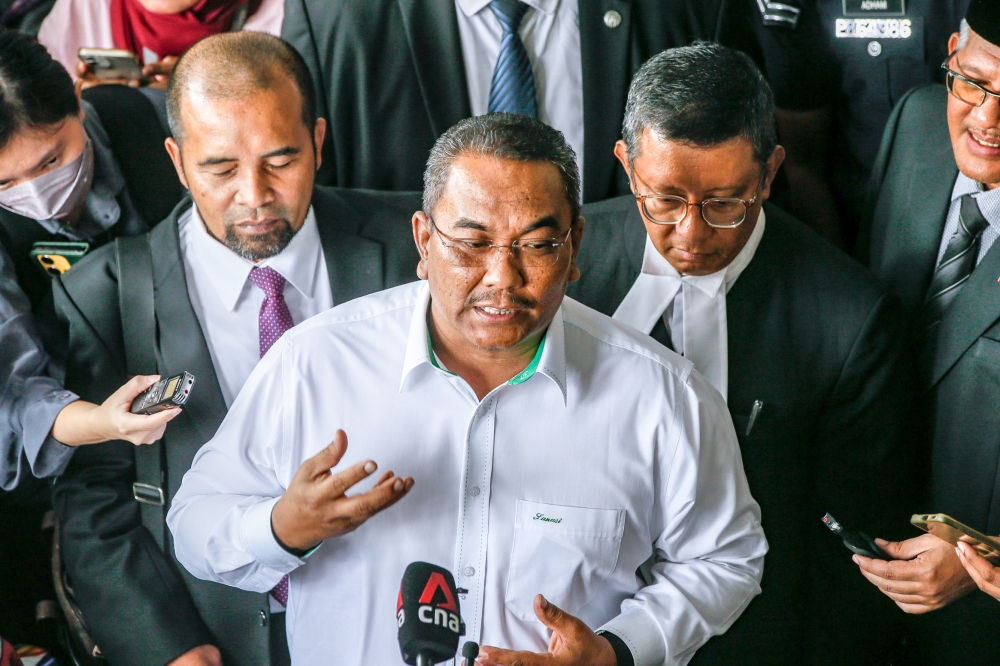
Kedah Menteri Besar Datuk Seri Muhammad Sanusi Md Nor has escalated political tensions by formally issuing letters of demand to DAP politician Nga Kor Ming and two other individuals, alleging they wilfully distorted and misrepresented his public statements. The move, announced in Alor Star on August 5, represents a significant hardening of rhetoric between the state leadership and opposition figures, signalling the intensifying polarisation surrounding political discourse in Malaysia's northern region.
The issuance of legal demands constitutes a deliberate shift from conventional political sparring to formal legal mechanisms, placing the dispute in territory typically reserved for serious allegations of defamation and reputational harm. Such actions carry implications beyond the immediate parties involved, as they establish precedent for how state political figures respond to claims of misquotation and rhetorical distortion. The move reflects broader patterns observable across Malaysian politics, where figures increasingly resort to legal instruments when challenging opposition narratives.
Nga Kor Ming, a prominent DAP figure with substantial political influence across several constituencies, represents a notable target for such action. His public prominence and role within DAP's communication apparatus would reasonably suggest that any statements attributed to him carry amplified impact within political discourse. The inclusion of two additional unnamed individuals indicates the scope of the allegation extends beyond a single politician, suggesting a coordinated narrative construction that Sanusi's office views as requiring systematic legal challenge.
The specific nature of the alleged distortions remains central to understanding the dispute's significance. When political figures challenge public statements attributed to them, the underlying concern typically involves either direct misquotation or contextual manipulation—where remarks accurately cited are presented within framing that substantially alters their intended meaning. Such disputes often hinge on nuanced interpretation of language, making their resolution through legal channels particularly complex and potentially establishing contentious precedent regarding political speech protection.
For Malaysian politics more broadly, this incident illuminates the contentious terrain of political communication in an increasingly polarised environment. Opposition parties and ruling coalitions frequently dispute characterisations of policy positions, with each side claiming the other misrepresents their intentions and statements. The movement from public denial to formal legal demands suggests frustration with conventional mechanisms for correcting the record, though such legal action simultaneously exposes figures to counter-litigation risk and public perception challenges.
The timing of these demands within Kedah's political calendar merits consideration. The state has experienced significant political turbulence in recent years, with shifting coalitions and leadership transitions creating instability within the state administration. Sanusi's relatively recent consolidation of authority within Kedah governance may contribute to the assertiveness displayed through formal legal channels, as established leadership typically commands greater institutional resources for pursuing litigation.
Opposition responses to such legal action typically follow predictable patterns. DAP has historically characterised similar demands as attempts to suppress legitimate political criticism and restrict democratic discourse. The party's organisational capacity for legal defence and media counter-narrative ensures that litigation itself becomes political commentary, with each side mobilising constituencies through competing claims about the case's implications for freedom of expression.
The broader implications for Malaysian journalism and political commentary warrant examination. Media organisations and political commentators operate within an environment where public figures increasingly assert legal recourse for alleged misrepresentation. This dynamic creates incentive structures that may influence editorial decision-making and force publication of detailed corrections or retractions, whilst simultaneously raising questions about whether legal pressure constitutes an indirect form of editorial influence.
Regional political dynamics across Malaysia inevitably absorb such disputes, particularly given DAP's significant presence across multiple states and Kedah's strategic importance within the northern corridor. Political observers in neighbouring Penang and Perlis monitor developments affecting DAP's operational capacity, since concentrated legal vulnerability in any state could suggest emerging vulnerabilities across the party's broader network.
The substantive resolution of such disputes typically involves negotiation phases that remain largely invisible to public observation. Demands frequently include requirements for public retractions or corrections, with settlement possibilities preceding formal litigation. The publicity surrounding the demands themselves often accomplishes significant reputational objectives for the demanding party, regardless of eventual legal outcomes.
For Malaysian readers following national political development, these incidents reflect a broader pattern where institutional mechanisms for dispute resolution increasingly supplement traditional parliamentary and electoral processes. The resort to legal letters of demand by a chief minister demonstrates how political conflict now operates across multiple registers simultaneously—parliamentary debate, media commentary, and formal legal action coexisting and reinforcing one another.
Moving forward, the trajectory of this dispute will offer insight into how Malaysian political adversaries navigate the intersection of electoral competition, institutional power, and legal frameworks. Whether these demands proceed to formal litigation or resolve through negotiated settlement will carry implications for acceptable boundaries of political speech and the mechanisms through which established figures defend their public reputations against disputed characterisations.

