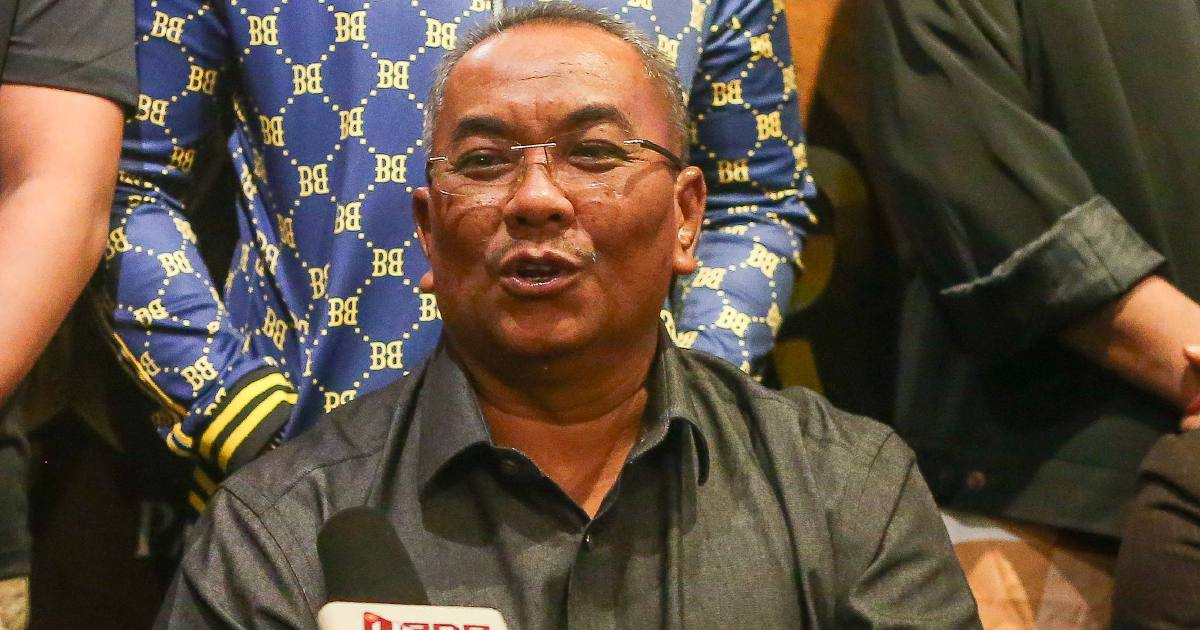
Kedah Menteri Besar Datuk Seri Muhammad Sanusi Md Nor has escalated a political dispute by serving formal letters of demand against DAP deputy chairman Nga Kor Ming and two unnamed individuals, alleging they distorted remarks he made during a ceramah event in Negri Sembilan. The legal action marks an intensification of tensions between the state leader and opposition figures over the alleged mischaracterisation of his statements.
The decision to pursue legal remedies through demand letters suggests Sanusi views the alleged distortion as sufficiently damaging to warrant formal action. Such correspondence typically precedes more serious legal proceedings and serves as both a warning and a preliminary step in potential defamation claims. The specificity of targeting Nga Kor Ming, a prominent DAP figure who holds significant influence within the party's leadership structure, underscores the gravity with which Sanusi regards the matter.
The controversy stems from interpretations of comments Sanusi made during a political event in Negri Sembilan, a neighbouring state where complex coalitional politics have created shifting alliances between federal and state governments. The specifics of what was allegedly misrepresented remain a point of contention, reflecting broader patterns in Malaysian politics where verbal statements from public figures frequently become subjects of dispute regarding their intended meaning and context.
Nga Kor Ming's position as DAP deputy chairman places him in a significant political role, particularly in the context of Malaysian federal politics where the Democratic Action Party maintains representation in Parliament and holds influence in state governments. The targeting of such a senior figure suggests the dispute carries implications beyond personal reputation into the realm of inter-party relations and political messaging.
The involvement of two additional unnamed individuals alongside Nga Kor Ming indicates that the alleged distortion may have been amplified through multiple channels or speakers, possibly involving social media circulation, public statements, or media commentary. This pattern is increasingly common in modern Malaysian politics, where claims and counter-claims spread rapidly across digital platforms before traditional news cycles can establish clarification.
Letter of demand procedures in Malaysia serve as formal notification that a party believes their reputation has been harmed and demands either retraction, apology, or compensation. While such letters frequently precede legal action, they also function as a public demonstration of aggrievement and often influence public perception of disputes before courts become involved. The issuance of these letters effectively transfers the dispute into a semi-public legal domain.
For Sanusi, whose administration in Kedah has maintained relatively steady electoral support and who commands significant influence within UMNO circles, the decision to pursue legal action reflects confidence in his position and the strength of his case. However, such moves also carry political risks, as they can be characterised by opponents as attempts to suppress political speech or restrict legitimate criticism.
The DAP response to these demand letters will likely shape the trajectory of this dispute. The party could choose to comply with any demands, resist through counter-statements, or treat the matter as a political attack designed to intimidate opposition voices. How Nga Kor Ming and his colleagues respond will significantly influence whether this remains a legal matter or becomes a broader political controversy affecting Kedah-level or federal-level relations.
In the Malaysian political context, where defamation law operates alongside constitutional provisions regarding political speech, disputes over misrepresentation frequently expose tensions between protecting individual reputation and ensuring adequate space for political debate. Courts must navigate these complexities when such cases proceed to litigation, balancing the rights of public figures against broader principles of political freedom.
The timing of this action may carry political significance given Malaysia's ongoing electoral cycles and the evolving dynamics between coalition partners at federal and state levels. Kedah's political situation has experienced shifts in recent years, and actions taken by state leaders can ripple through national political calculations.
For Malaysian readers and observers of regional politics, this dispute illustrates how quickly disagreements between prominent political figures can escalate into formal legal proceedings, even as questions about the original substance of the alleged misrepresentation remain publicly unclear. The incident highlights the increasingly litigious nature of Malaysian political discourse and raises broader questions about how such disputes ultimately affect public discourse and democratic participation.

