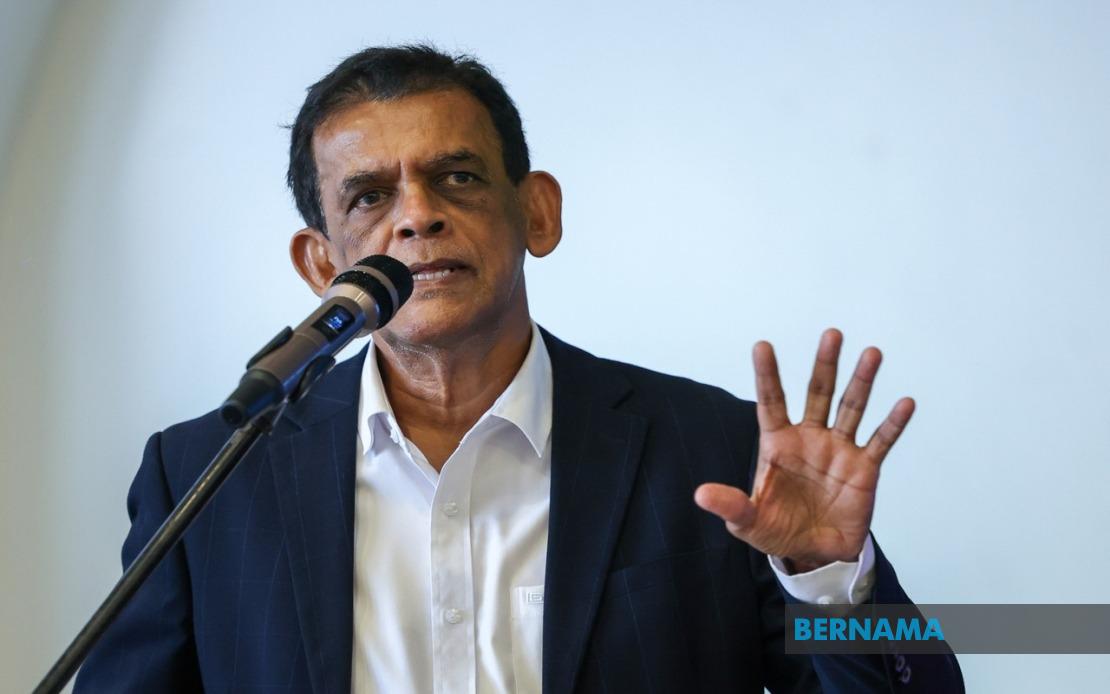
The Malaysian Artistes Association (Karyawan) has made a significant push for governmental intervention in the nation's music royalty system, proposing a comprehensive overhaul of how artists receive compensation for their creative work. The call comes amid mounting frustration within the local music community over systemic inefficiencies that have characterised the industry for more than two decades. Datuk Freddie Fernandez, speaking as Karyawan president, unveiled the organisation's position following unanimous approval at its most recent annual general meeting, signalling broad consensus among member artists for radical change.
The current royalty collection landscape in Malaysia remains fragmented across multiple competing organisations, creating administrative redundancy and confusion that ultimately disadvantages rights holders. With annual public performance royalty collections now approaching RM200 million, the financial stakes are substantial enough to demand serious reform. The existing system's deficiencies extend beyond mere inefficiency—persistent complaints centre on a fundamental absence of transparency regarding how royalties are calculated, distributed and accounted for. Middlemen costs have ballooned, consuming disproportionate shares of collections before funds reach creators, while disputes between collective management organisations and industry participants have become endemic.
Karyawan's proposal draws inspiration from Indonesia's successful model, where the National Collective Management Institution manages centralised public performance royalty collection. The Indonesian experience proves instructive for Malaysia because that nation confronted comparable challenges until government intervention established clearer institutional accountability and streamlined processing. By studying this neighbouring precedent, Karyawan has identified a pathway that might resolve longstanding Malaysian grievances while maintaining governmental oversight throughout the entire royalty ecosystem.
The association envisions a centralised digital platform operating under government supervision, fundamentally reimagining how rights are registered, tracked and compensated. This proposed system would function as a comprehensive national music rights repository, capturing every musical composition, sound recording, ownership detail, licensing agreement, usage report and payment transaction in a single verifiable database. Each use of a protected song would be algorithmically matched to its legitimate rights holder, enabling automatic royalty calculation and distribution based on actual usage data and confirmed ownership records. Such systematisation would virtually eliminate the administrative duplication that currently plagues the sector while creating complete transparency through immutable audit trails accessible to government, creators, users and all relevant stakeholders.
Beyond addressing traditional collection and distribution challenges, the proposed framework would create crucial safeguards regarding artificial intelligence-generated music—an emerging issue likely to generate disputes if left unregulated. The government-managed platform could establish clear protocols for AI-composed content, protecting human artists' interests during this technological transition. This forward-thinking dimension acknowledges that Malaysia's royalty system must evolve proactively rather than reactively addressing problems only after they create widespread disruption.
Karyawan emphasises that its proposal aligns with the Copyright (Collective Management Organisation) Guidelines 2025, positioning the suggestion within an established regulatory framework rather than proposing entirely novel governance structures. The guidelines' emphasis on strengthened governance, heightened transparency, meticulous record-keeping, comprehensive reporting and enhanced accountability directly correspond to the association's outlined objectives. This alignment strengthens Karyawan's case by demonstrating that the proposal represents implementation of already-endorsed principles rather than revolutionary departure from established policy direction.
The push for reform reflects genuine grievances documented throughout the music community. Record labels have been accused of systematically withholding artists' fair shares from album sales and streaming platform revenues, creating a secondary layer of exploitation beyond the already-inadequate royalty distribution infrastructure. The late Malaysian music legend Sudirman Arshad's family exemplifies the severity of these failures—they waited decades to receive RM367,000 in accumulated royalties from a celebrated career, suggesting systemic dysfunction affecting even the most prominent creators. Since the Sudirman case received public attention, numerous Karyawan members have disclosed similar experiences of delayed or diminished payments from recorded music and digital streaming services, prompting the association to formally document these claims whilst pursuing collective redress.
These revelations underscore a crucial distinction between theoretical systems and practical implementation. Malaysia's existing royalty infrastructure was designed to protect artists, yet demonstrably fails at this fundamental purpose across multiple stages—from collection to distribution to final payment. The proposed government takeover would eliminate conflicts of interest inherent in allowing competing commercial organisations to manage funds belonging to artists who are simultaneously their business partners and potential competitors. Government administration, while imperfect, provides neutral institutional authority capable of resisting commercial pressures that may encourage withholding or misallocation of payments.
The timing of Karyawan's proposal coincides with escalating tensions within the sector. Multiple royalty collection bodies—Music Authors' Copyright Protection, Public Performance Malaysia and Recording Performers Malaysia—alongside Karyawan and the Intellectual Property Corporation of Malaysia (MyIPO) have initiated legal action against the government. The Ministry of Domestic Trade and Cost of Living's involvement further complicates relations between these entities and governmental bodies. Karyawan's proposal, therefore, must be understood not merely as constructive suggestion but as strategic positioning amid broader institutional conflicts over who controls and benefits from Malaysia's music royalty distribution system.
For Malaysian creators and regional music industry observers, the proposed reforms carry significance extending beyond technical efficiency. The music sector remains undersupported within Malaysia's creative economy relative to its potential, partly because creators cannot reliably sustain themselves through royalty income. Establishing transparent, equitable royalty distribution might increase creative investment whilst attracting talent that currently migrates abroad pursuing better compensation structures. Southeast Asia's emerging music markets could benefit from Malaysian demonstration of effective royalty governance, positioning the nation as a model for regional creative industry development. The government's decision on Karyawan's proposal will substantially influence whether Malaysia cultivates or neglects one of its most valuable cultural and economic assets.

