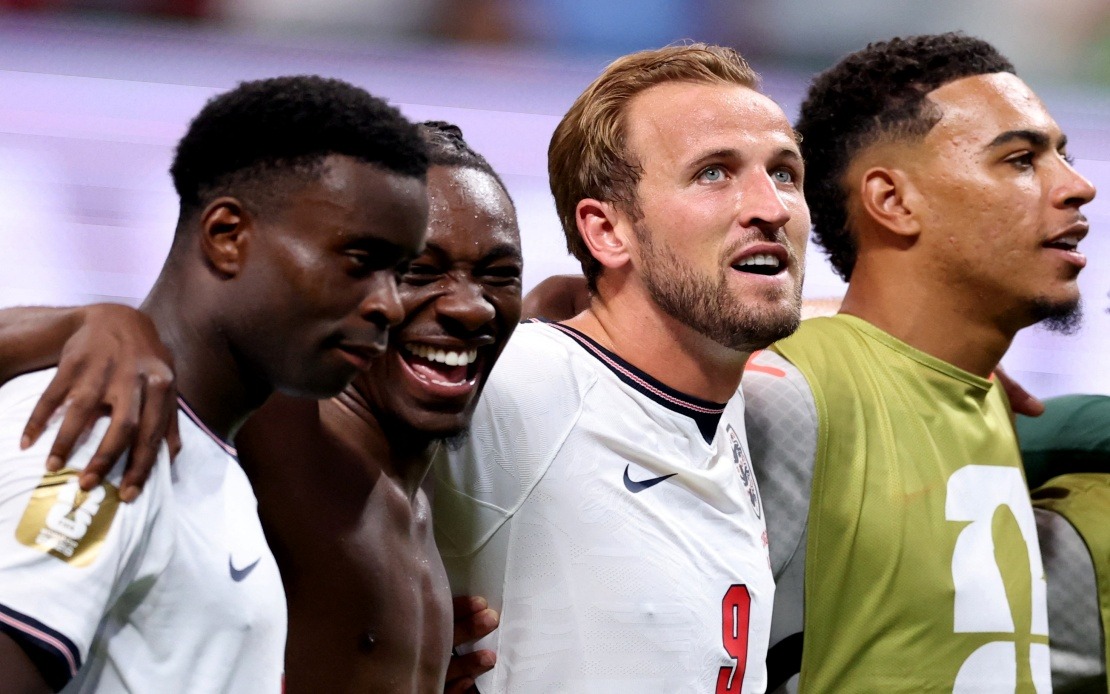
England's World Cup campaign nearly suffered an embarrassing collapse in Atlanta on Wednesday before Harry Kane's late intervention saved Thomas Tuchel's team from a first-round exit against the Democratic Republic of the Congo. The forward's second-half brace completed a 2-1 comeback that kept the Three Lions' tournament hopes alive, though the manner of their escape has raised serious concerns about their ability to compete against stronger opponents. This dramatic reversal of fortune now sends England toward a challenging encounter with co-hosts Mexico in the round of 32, a fixture that will test whether the team has the resilience and quality to mount a serious title challenge.
The warning signs came early when Congo struck first through Brian Cipenga, a goal that sent an uncomfortable ripple through the English camp. For supporters haunted by the memory of Iceland's shock elimination of England at Euro 2016, the prospect of history repeating itself became uncomfortably real. Yet unlike that humiliating chapter, Tuchel's men demonstrated the character to recover, though their path to redemption proved far more difficult than expected. The early setback exposed vulnerabilities in England's defensive organization that had been papered over in earlier matches, and the team's struggle to break down Congo's determined resistance raised uncomfortable questions about their tournament credentials.
Congo's goalkeeper Lionel Mpasi proved to be an unexpected obstacle, making a series of inspired saves that kept his team in contention for much of the match. The Democratic Republic of the Congo was making its first-ever appearance in a World Cup knockout stage, and the team showed the kind of organization and spirit that suggests African football continues to produce talented squads capable of competing at the highest level. Early in the first half, Yoane Wissa came close to extending Congo's advantage when his effort struck the woodwork, a moment that could have compounded England's mounting anxiety. Additionally, Kane's penalty appeal in the opening period added to the mounting frustration, with the England captain's protests suggesting he felt the referee had made an error in judgment.
As the first half progressed, England's dominance in possession failed to translate into clear opportunities, a disconnect that underscored Tuchel's ongoing challenges in transforming his team's technical superiority into clinical finishing. The atmospheric tension at the stadium grew increasingly audible, with frustrated murmurs replacing the confident songs that typically accompany England's supporters. Congo's defensive discipline remained impressively intact despite England's sustained pressure, and their willingness to absorb punishment and remain compact represented a valuable lesson in tournament football that Tuchel would have studied carefully.
The introduction of Anthony Gordon as a substitute proved transformative, injecting pace and creativity into England's attacking play at a critical juncture. Gordon's two decisive assists for Kane demonstrated the value of tactical flexibility and the willingness to make bold changes when the match demanded it. Kane's positioning and predatory instincts made the difference in both instances, with the captain demonstrating the kind of composure under pressure that had defined his career. This brace represented his crucial intervention at a moment when England's tournament could have unraveled, though the underlying performance suggested deeper structural issues that need addressing.
Historically, England's ability to mount successful comebacks in World Cup knockout stages has been relatively rare. The statistic that this was their first World Cup victory after conceding first since winning the 1966 final underscores how unusual Wednesday's turnaround truly was. The magnitude of this achievement in historical terms cannot be overstated, yet it also masks the concerning reality that England spent most of the match struggling against opposition that, by conventional expectations, should have been comprehensively overwhelmed. The team's inability to control proceedings against a debutant knockout-stage opponent raises fundamental questions about their tactical approach and mental resilience under pressure.
The path forward to Mexico represents a significant step up in difficulty. The Mexican team, playing on home soil, brings a different caliber of organization and attacking threat than Congo demonstrated. Mexico's familiarity with the Azteca's altitude and their experience in knockout stages means England cannot rely on the same late recovery that proved sufficient on Wednesday. Tuchel will need to address the defensive vulnerabilities that Congo exposed, particularly regarding set-piece organization and the spacing between England's lines. The coming days will reveal whether Wednesday's escape was a turning point that galvanizes the team or a narrow escape that merely delayed inevitable problems.
For Southeast Asian observers following the tournament, England's stumble is a reminder that World Cup football operates according to its own logic. Distance, weather conditions, and the unpredictability of single-elimination matches can neutralize perceived superiority. England's experience against Congo mirrors challenges that other traditional powerhouses may face as they confront determined opposition willing to compact defensively and capitalize on limited opportunities. The Democratic Republic of the Congo's performance, despite the defeat, represents an impressive showing for a nation making its knockout debut and suggests that African football's competitive standards continue rising.
The psychological impact of Wednesday's escape will likely reverberate through England's remaining fixtures. Kane's ability to deliver under pressure provides reassurance, but the team's overall pattern of play suggests they are vulnerable to opponents who approach matches with tactical discipline and limited ambition. Tuchel's managerial decisions ultimately proved correct, yet the narrow margin of success cannot hide the fact that England labored unnecessarily against inferior-ranked opposition. As the tournament progresses, the team will need to demonstrate greater consistency in their performances and greater certainty in their execution if they harbor genuine aspirations of claiming the World Cup crown.

