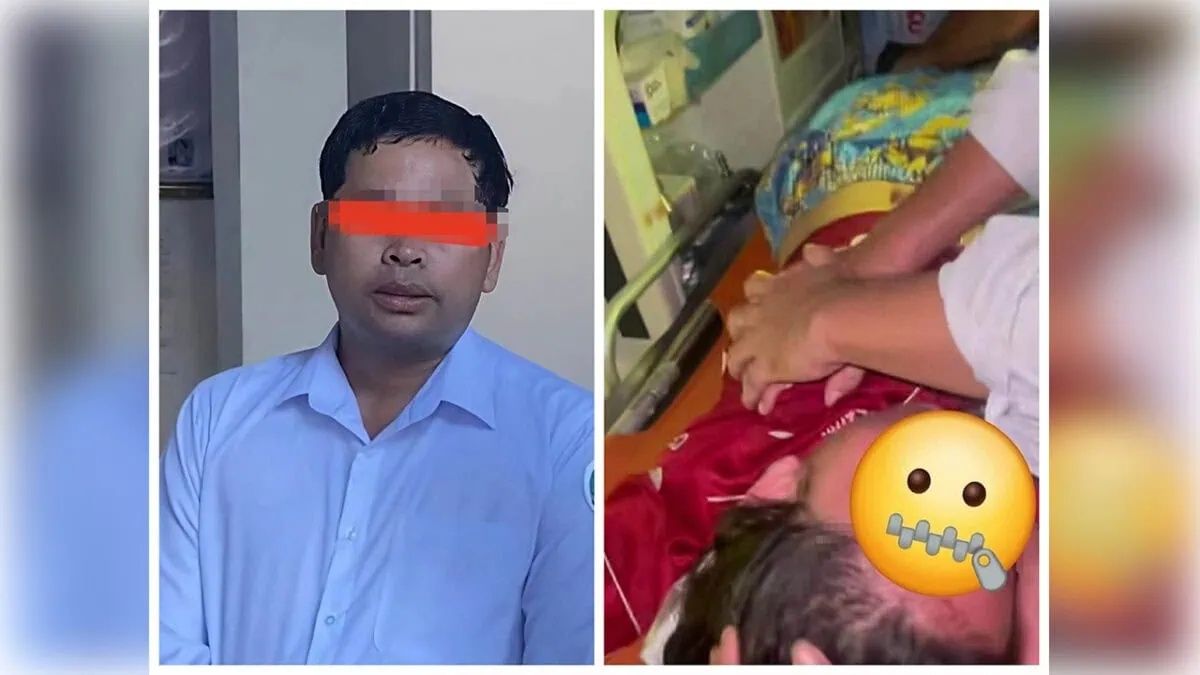
The removal of a hospital administrator in Cambodia's Kandal province has thrust questions about medical ethics and patient protection into the spotlight. On Tuesday, August 4, provincial governor Kuoch Chamroeun issued an administrative order relieving Chhun Phally of his position as chief of Setbo Health Centre, reassigning him instead to work under the provincial health administration. The action followed intense scrutiny triggered by footage showing Phally's emergency treatment of a teenage patient, which circulated widely across social media platforms and generated considerable public discussion about appropriate medical procedures and professional conduct.
The incident originated when a 17-year-old girl was brought to Setbo Health Centre experiencing seizures and respiratory distress. During the emergency intervention, a family member recorded the treatment to relay information to other relatives about the patient's condition. This recording, however, subsequently spread across social media where it attracted substantial criticism from online commentators who raised concerns about how the young patient was handled during the medical intervention. The widespread reaction highlighted existing anxieties within Cambodia regarding standards of care, patient dignity, and the application of established medical protocols in healthcare facilities.
Public responses to the video varied significantly. Many social media users alleged that the manner of treatment constituted inappropriate handling of the patient and represented a violation of her fundamental dignity. Others questioned whether the resuscitation procedures followed recognised medical standards and best practices. These concerns extended beyond simple procedural questions, with some observers raising broader issues about the vulnerability of patients in medical settings and the accountability mechanisms available to ensure professional boundaries are maintained. The viral nature of the incident meant the discussion quickly transcended the immediate healthcare context to become a matter of public concern about institutional safeguards.
The governor's administrative order, while taking immediate effect, did not explicitly articulate the grounds for Phally's removal. However, the timing made clear that the decision responded directly to the escalating public pressure surrounding the video and the allegations that emerged in its wake. This represented an unusually swift intervention by provincial authorities, suggesting sensitivity to public sentiment and perhaps recognition that the incident had become a matter affecting institutional credibility within the health system.
Following the administrative action, authorities commenced a formal investigation into the incident. Kiem Piseth, who serves as acting provincial health director, indicated that investigators would examine whether the medical procedures applied during the emergency treatment complied with professional standards and whether any misconduct had occurred. Piseth's statement carried significant weight, as he signalled that potential consequences extended beyond administrative measures. He explicitly noted that if evidence of misconduct or sexual harassment emerged from the investigation, legal action could be pursued in addition to employment-related disciplinary measures. This messaging appeared designed to assure the public that the matter would be treated with appropriate seriousness and that accountability mechanisms extended to the judicial system.
For Malaysian readers and Southeast Asian observers, this incident reflects challenges common across the region regarding healthcare accountability and institutional oversight. Many countries in the region face similar pressures regarding the training and conduct of healthcare workers, the documentation of emergency procedures, and mechanisms for addressing public concerns about professional standards. The rapid provincial response in Cambodia suggests awareness of how such incidents can erode public trust in medical institutions, a concern that resonates across healthcare systems facing questions about transparency and patient protection.
In response to the public backlash, Phally issued a statement expressing regret for any misunderstanding arising from his actions. He maintained that his exclusive purpose during the emergency treatment had been preserving the patient's life. He specifically denied intentions of sexual harassment or inappropriate behaviour, characterising his intervention as a genuine emergency medical response. The apology, while appearing to acknowledge public distress, simultaneously defended the fundamental appropriateness of his actions, creating a somewhat contradictory position that may not fully satisfy those questioning whether procedures were properly executed.
The incident has revived broader conversation within Cambodia about professional standards within the healthcare sector. Multiple observers have called for reinforced mechanisms to safeguard patient dignity and privacy while simultaneously guaranteeing that healthcare workers receive adequate training in emergency medical techniques. This tension between ensuring comprehensive emergency response capacity and protecting patients from potential violation represents a genuine challenge for healthcare systems throughout Southeast Asia where resources for training and oversight remain constrained in many facilities.
The investigation's outcome remains pending, with authorities having made no announcements regarding findings or whether additional disciplinary or legal consequences will follow. This uncertainty characterises the current state of the matter, though the provincial administration's initial swift action suggests institutional recognition that the incident warrants serious attention. As Cambodia's healthcare system confronts questions about professional accountability and patient protection standards, the investigation findings may establish precedents affecting how similar situations are handled across provincial health facilities.

