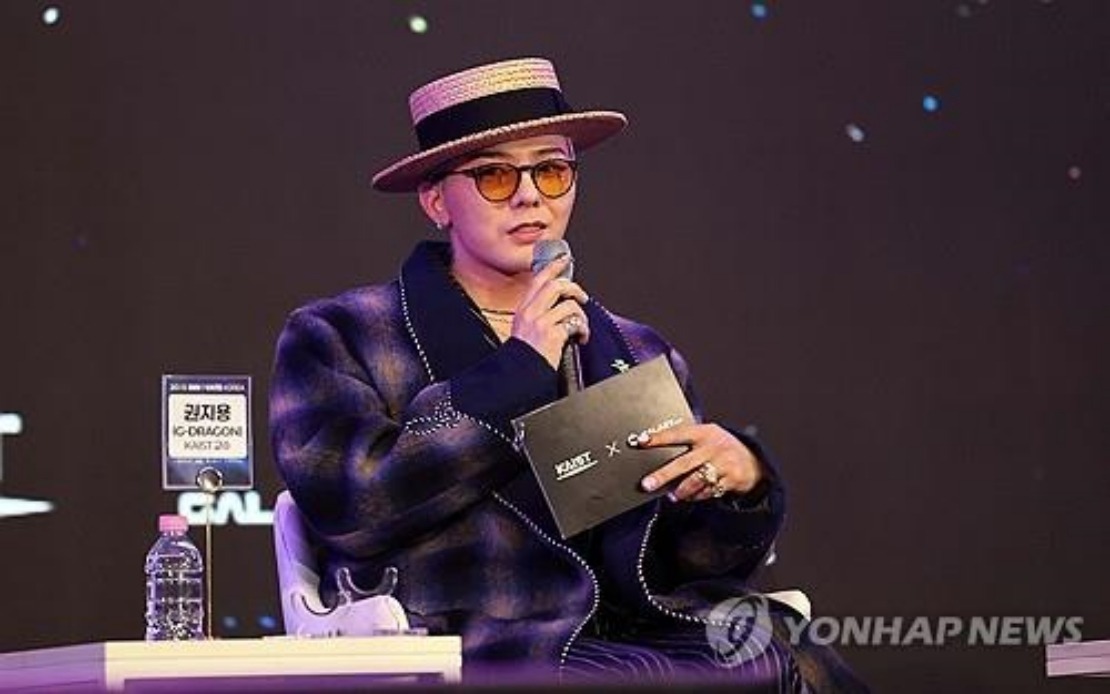
South Korea's most influential music export, G-Dragon, will serve as the official face of the 48th UNESCO World Heritage Committee session taking place in Busan from July 19-29. The appointment by the Korea Heritage Service underscores the strategic importance of leveraging cultural ambassadors to amplify international attention for heritage preservation at a time when sites worldwide face mounting pressures from conflict and environmental degradation.
The 37-year-old artist, whose birth name is Kwon Ji-yong, represents a calculated pivot by South Korean authorities toward using soft power diplomacy to elevate the global standing of the committee's work. His selection reflects recognition that celebrities with transnational appeal can communicate complex messages about cultural stewardship more effectively than traditional institutional voices, particularly among younger demographics who shape public discourse through social media.
This marks only the second occasion that South Korea will host the World Heritage Committee since ratifying the World Heritage Convention in 1988. The 38-year interval demonstrates the selective nature of hosting privileges within UNESCO's structure and the considerable prestige associated with doing so. By tapping G-Dragon as its symbolic representative, the nation positions itself as deeply invested in positioning heritage protection as a contemporary, culturally relevant endeavour rather than a dusty institutional concern.
G-Dragon's fitness for the role extends beyond celebrity status. In recent years, he has cultivated a serious engagement with philanthropic work, particularly through his 2024 decision to donate his copyrights to establish the JusPeace Foundation. The organisation's name, deliberately fusing "justice" and "peace," signals G-Dragon's intention to channel his platform toward substantive social purpose. As the foundation's honorary chairman, he has positioned himself as genuinely committed to using cultural influence for collective benefit.
The ambassadorial responsibilities will principally involve promoting "Heritage in Peace," a global campaign jointly developed by the JusPeace Foundation and UNESCO launching alongside his appointment. This initiative seeks to mobilise individuals, corporations, and municipal governments in the protection and preservation of World Heritage sites facing existential threats. The campaign messaging deliberately centres cultural participation and peaceful collaboration as pathways to environmental and cultural security.
Financially, the campaign mechanism is designed to funnel donations directly into the World Heritage Fund, which allocates resources to endangered sites impacted by armed conflict, climate-related disasters, and natural catastrophes. For developing nations across Southeast Asia and beyond, such funding mechanisms prove invaluable, as domestic budgets often cannot adequately address infrastructure damage or conservation costs resulting from unforeseen crises. G-Dragon's involvement potentially expands the fundraising capacity by attracting contributions from global fan communities and entertainment industry networks previously disconnected from heritage protection.
The artist's anticipated contributions will include participation in promotional media campaigns and live appearances emphasising the message that cultural preservation represents a shared human responsibility transcending borders and political divisions. By framing heritage protection through the lens of universal peace rather than technical conservation, the campaign seeks to democratise what has historically been positioned as an elite concern, making it accessible to ordinary people regardless of educational background or prior engagement with UNESCO initiatives.
G-Dragon's prior ambassadorial experience provides practical foundation for this expanded role. He previously represented the Asia-Pacific Economic Cooperation summit held in Gyeongju last year, where he performed at the official welcome dinner attended by regional leaders. That appointment demonstrated both his diplomatic acceptability to government circles and his capacity to command media attention when engaged in official capacities. His consistent presence at major regional gatherings suggests deliberate cultivation by South Korean authorities as a national cultural envoy.
The broader implications for Southeast Asia warrant consideration. As nations across the region increasingly confront heritage destruction through conflict, environmental stress, and rapid urbanisation, the success of campaigns like "Heritage in Peace" may establish templates for future preservation initiatives. Malaysian heritage sites, from Penang's Georgetown to Melaka's historic centre, face comparable pressures. G-Dragon's global reach potentially expands international consciousness regarding Asian heritage vulnerability, potentially mobilising resources that benefit sites throughout the region.
Furthermore, the appointment reflects an evolving diplomatic strategy wherein soft power projection through entertainment figures complements traditional state-to-state engagement. For countries like Malaysia seeking to elevate their own cultural initiatives internationally, the South Korean precedent offers instructive lessons about leveraging entertainment industry assets for policy objectives without sacrificing cultural authenticity or appearing instrumentally exploitative.
The timing coincides with accelerating global recognition that heritage preservation constitutes a peace and development imperative rather than a cultural luxury. Armed conflicts from Syria to Ukraine have devastated irreplaceable sites, while climate change accelerates erosion of natural heritage. G-Dragon's mobilisation effectively reframes heritage protection as urgent contemporary activism aligned with youth-oriented values of environmental stewardship and social justice.
Ultimately, the appointment represents a calculated wager that authenticity matters. G-Dragon's genuine commitment to the JusPeace Foundation and demonstrated philanthropic evolution lend credibility to his ambassadorial messaging. Unlike purely transactional celebrity endorsements, this role appears grounded in his evolving personal trajectory toward cultural responsibility. That alignment between ambassador and cause may determine whether the campaign achieves meaningful engagement or remains merely another entertainment industry-meets-bureaucracy initiative.

