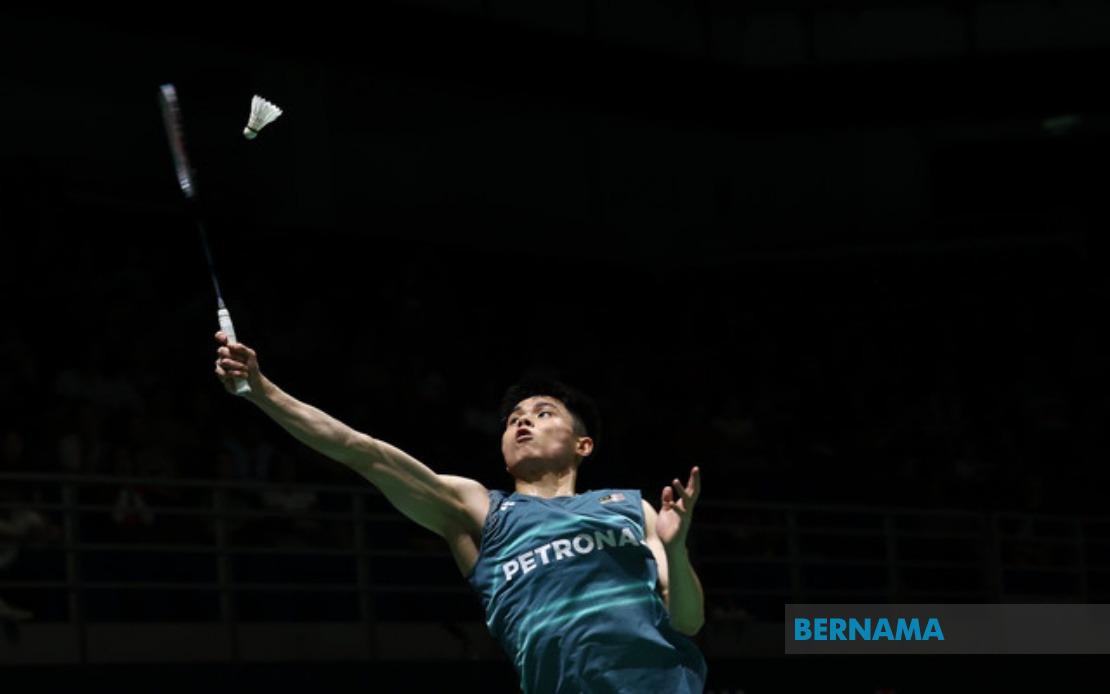
Malaysia's emerging men's singles badminton talent Justin Hoh has adopted a pragmatic approach to his maiden appearance at the 2026 BWF World Championships in New Delhi from August 17 to 23, signalling his intent to excel at the sport's most prestigious tournament despite acknowledging the logistical and environmental challenges that hosting venues in India can present.
The 22-year-old Kuala Lumpur native, speaking after training at the Academy Badminton Malaysia, stressed that he would not allow external circumstances to derail his preparations for what represents a significant milestone in his fledgling international career. Rather than focusing on potential venue complications, Hoh has chosen to concentrate his energy on controllable factors, adopting a methodical approach that reflects the maturity often demanded of athletes operating at the elite level of professional sport.
Drawing from the experiences of fellow competitors and informed by previous tournaments held across India, Hoh revealed that Malaysian players have learned to take proactive measures to safeguard their wellbeing during competition. This includes travelling with personal food provisions, a precaution that underscores the sometimes unpredictable nature of tournament infrastructure in certain host nations. Such practical measures are not merely suggestions but essential components of the preparation blueprint that experienced campaigners pass down to rising stars within Malaysia's badminton ecosystem.
The young shuttler's comments arrive in the context of recent controversies surrounding badminton facilities in India. Just months earlier, the India Open badminton championship faced substantial criticism when attendees discovered severe sanitation failures at the Indira Gandhi Sports Complex, where bird excrement contaminated practice courts and monkeys freely roamed the facility. These incidents highlighted systemic challenges in venue management and sparked broader conversation about tournament hosting standards across the region, prompting international federations and participating nations to scrutinize infrastructure quality more closely.
While Hoh expressed qualified optimism that New Delhi's organisers would implement improvements before hosting the World Championships, his cautious outlook reflects a realistic assessment of conditions at some Indian venues. The forthcoming tournament represents an opportunity for the country to address previous shortcomings and demonstrate commitment to world-class hosting standards. Successful execution would strengthen India's credential as a reliable venue for major international sporting events and build confidence among athletes and delegations planning to compete there.
Regarding the competitive draw, Hoh demonstrated mental resilience by declining to express anxiety about potential opening-round matchups against higher-ranked opponents. This philosophical stance suggests a maturity that extends beyond tactical preparation, embodying the psychological fortitude necessary for tournament success. Rather than viewing the draw as a predetermined obstacle, he framed potential challenges as opportunities to test his capabilities against elite opposition.
The Malaysian player also addressed an issue that resonates across the country's badminton community: the intense public scrutiny and commentary surrounding men's singles performance. Malaysia maintains a storied tradition in badminton, and the men's singles category carries particular weight in national consciousness, given the sport's historical prominence in Malaysian culture and international achievement. Hoh acknowledged receiving mixed feedback from observers and commentators, characterising criticism as an inevitable accompaniment to high-profile sporting endeavours rather than a deterrent to performance.
Instead of viewing public sentiment as burdensome, Hoh has reconceptualised scrutiny as motivation, a perspective that transforms external pressure into internal drive. This reframing suggests a pragmatic understanding of his position within Malaysia's sporting narrative, where expectations often exceed resources and where individual athletes frequently find themselves representing broader national aspirations. Such psychological resilience will likely prove valuable as he navigates the World Championships' unforgiving competitive environment.
On personal ambitions for the tournament, Hoh struck a deliberate balance between aspiration and realism. While he expressed hope for medal success, he simultaneously framed the championship as a pivotal learning experience, acknowledging that debut appearances at world-level competitions typically serve functions beyond immediate medal pursuit. This measured expectation-setting demonstrates emotional intelligence and an understanding that trajectory in elite sport often involves incremental progress rather than dramatic overnight achievement.
Hoh's preparations coincide with a broader examination of how Southeast Asian badminton nations can maintain competitiveness amid infrastructure and resource disparities. Malaysia, with its established coaching apparatus and institutional support systems, remains well-positioned to develop emerging talent, though individual athletes must navigate the practical complexities of international competition. Hoh's methodical approach to challenge—whether environmental, competitive, or psychological—exemplifies the mindset increasingly necessary for Malaysian athletes to sustain relevance in an intensely competitive global badminton landscape.
The shuttler's debut at the World Championships arrives at a moment when Malaysian badminton seeks to reinvigorate its men's singles presence following periods of relative decline on the international stage. While Hoh carries no expectation of immediate breakthrough results, his willingness to compete at the highest level and his pragmatic approach to preparation signal the emergence of a player potentially capable of contributing to Malaysia's restoration within this historically important category. Success, whether measured in medals or incremental ranking improvements, would validate the investment made by Malaysia's badminton development infrastructure and establish Hoh as part of the pipeline sustaining the nation's future competitiveness in this fundamental Olympic sport.

