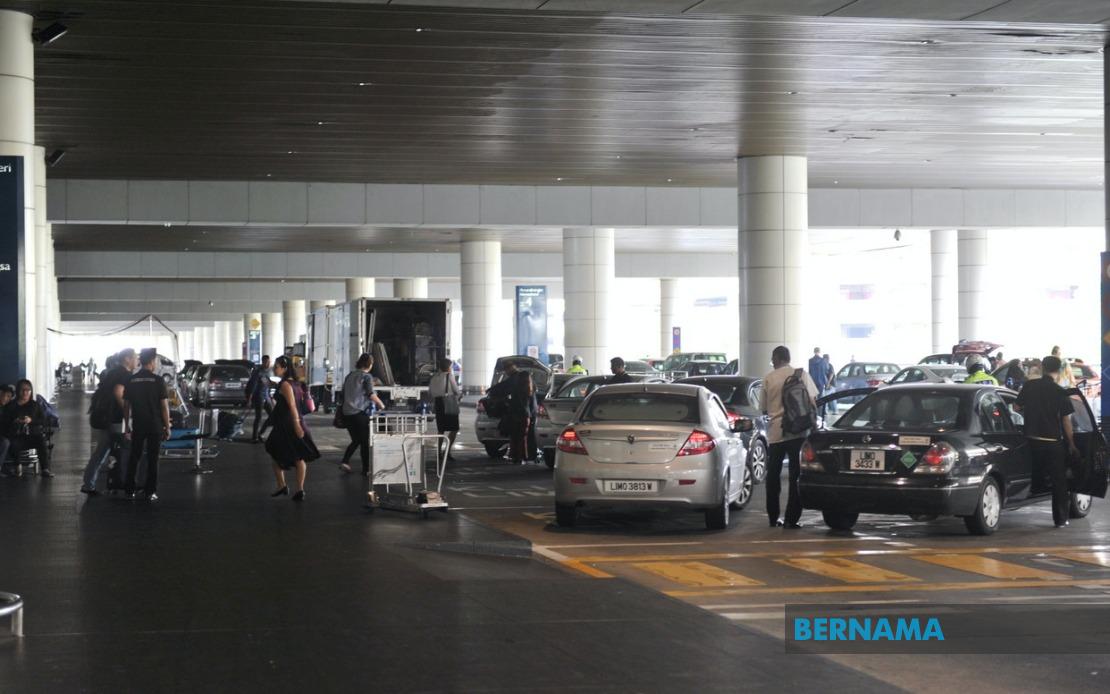
The Road Transport Department (JPJ) is launching an intensified campaign against unlicensed taxi operators at Kuala Lumpur International Airport, implementing round-the-clock enforcement operations across both main terminals in response to persistent complaints about illegal ground transportation services. Starting next week, the agency will deploy significantly more personnel across KLIA Terminal 1 and Terminal 2, moving beyond the current skeleton crew of 17 officers stationed only at T1 during limited daytime hours, to establish permanent three-shift coverage that operates continuously throughout the day and night.
The decision, directed by JPJ Director-General Datuk Aedy Fadly Ramli following ministerial instruction from the Ministry of Transport, represents a substantial escalation in efforts to curb so-called 'ulat' activities—the colloquial term for touts offering illegal passenger transport services. The reinforcement reflects growing recognition that these unlicensed operators remain active at unusual hours; enforcement officers have documented such activity occurring as early as 4 am when incoming flights begin landing, a window that current operational coverage failed to address.
Currently, JPJ's KLIA presence suffers from critical gaps. Terminal 1 maintains staffing only between 7 am and midnight, leaving twelve hours daily unmonitored, while Terminal 2 lacks any dedicated personnel whatsoever. This arrangement allows illegal operators to function with minimal interference during off-peak periods, when passenger demand and airport congestion are lower but vulnerable travellers still arrive seeking ground transportation. The new three-shift model, operating across all 24 hours, is designed to eliminate these enforcement blind spots and ensure consistent surveillance.
Beyond numerical expansion, JPJ intends to enhance operational effectiveness by stationing senior-grade officers to lead enforcement teams at both terminals. This structural improvement aims to ensure more authoritative decision-making and coordinated responses during investigations and interdictions. The upgraded hierarchy should also provide better training and supervision for frontline personnel conducting patrols and passenger interactions, reducing inconsistency in enforcement application across shifts and terminals.
The 'ulat' phenomenon represents a persistent headache for Malaysian aviation authorities and a recognised threat to passenger safety and experience. These unlicensed operators typically approach arriving passengers in airport terminals and ground areas, offering cheaper rides than legitimate licensed taxi or ride-sharing services, often without proper vehicle insurance, safety certifications, or regulatory oversight. Passengers accepting such offers face potential robbery, overcharging, unsafe driving, or worse. Beyond individual safety concerns, the proliferation of these services projects an unfavourable image of Malaysia to international visitors during their first on-ground experience, potentially damaging tourism reputation and business confidence.
The collaboration between JPJ and Malaysia Airports Holdings Bhd (MAHB) to enhance passenger information through terminal displays and announcements represents a complementary awareness strategy. By educating arriving travellers about the availability and legitimacy of officially licensed transportation services, authorities hope to reduce demand for illegal alternatives and reinforce norms favouring regulated options. Such messaging, repeated consistently across both terminals, aims to make the distinction between licensed and unlicensed operators clear to potentially vulnerable groups unfamiliar with Malaysian airport procedures.
The enforcement initiative also reflects broader government concerns about maintaining Malaysian airports as professional, secure entry points befitting the nation's aspirations as a regional hub. KLIA's reputation for passenger experience and safety significantly influences perceptions of Malaysia's hospitality sector and facilitates regional connectivity for business and leisure travel. Allowing informal illegal services to operate visibly at terminals contradicts efforts to present a polished, orderly entry experience that meets international standards.
For Malaysian travellers and business users, stronger enforcement should translate to more predictable access to regulated transportation at KLIA, with reduced harassment from soliciting touts and greater confidence in service legitimacy. International visitors, particularly those arriving for the first time, should experience clearer guidance toward appropriate services and fewer confusing or coercive approaches from unlicensed operators. Both constituencies benefit from the enhanced professional atmosphere such enforcement generates.
JPJ's renewed commitment, underscored by Datuk Aedy Fadly's declaration that the department will not accommodate any parties engaged in illegal transportation brokering, signals sustained political determination to address this specific enforcement challenge. However, success ultimately depends on consistent implementation over time; previous crackdowns have periodically achieved temporary reductions before illegal activity resurged as enforcement attention waned. Sustained staffing levels, senior leadership accountability, and coordination with other airport security stakeholders will prove critical to achieving lasting change rather than cyclical enforcement fluctuations.
The expansion also has practical resource implications for JPJ's broader operations. Maintaining 24-hour permanent staffing at both KLIA terminals requires approximately triple the current personnel commitment, representing significant operational cost and demanding careful workforce planning to prevent burnout and maintain service quality across other JPJ responsibilities nationwide. The decision reflects ministry-level prioritisation of airport enforcement over competing resource demands, suggesting official recognition that KLIA's regulatory environment deserves sustained investment.

