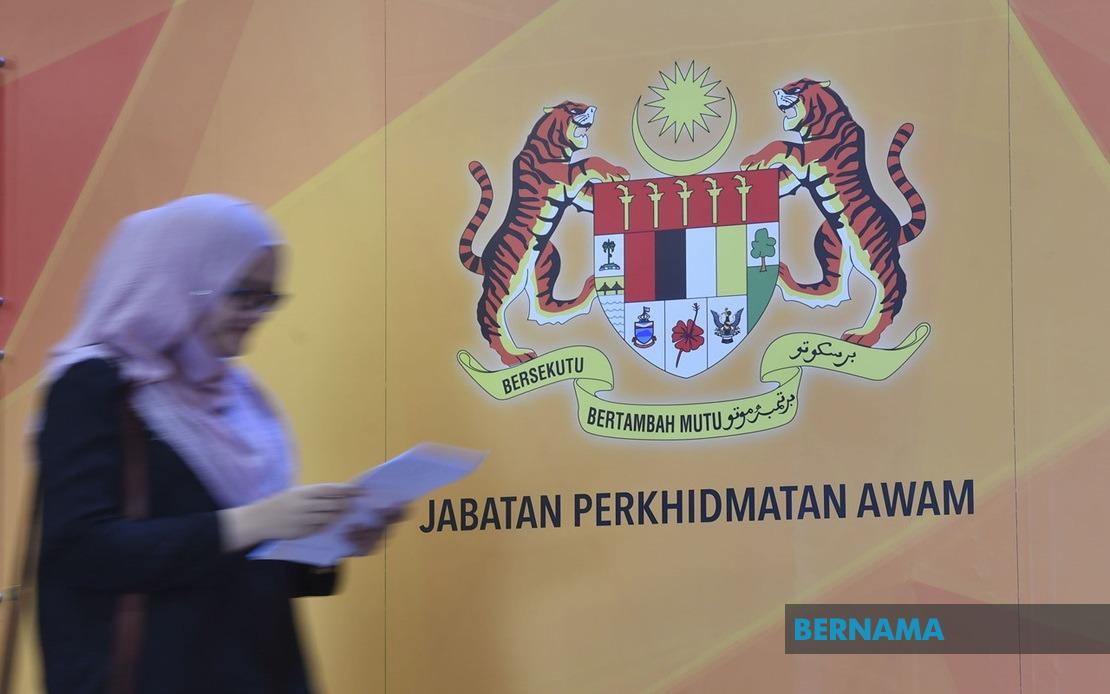
Malaysia's Public Service Department (JPA) has announced a significant expansion of its educational sponsorship scheme, opening 640 positions for students graduating from the 2026 Sijil Pelajaran Malaysia (SPM) examination. The initiative represents a strategic investment in developing the nation's intellectual capital and reflects the government's broader commitment to nurturing talent capable of sustaining Malaysia's economic and social development. The announcement underscores how federal recruitment agencies continue to prioritise early identification and support of high-achieving students as a cornerstone of human capital planning.
The sponsorship framework encompasses four distinct programmes, each tailored to different educational pathways and career trajectories. The National Sponsorship Programme allocates 30 positions, while the Special Programme for Japan, Korea, France and Germany provides 140 slots targeting students interested in specific regional expertise and international partnerships. A further 200 sponsorships fall under the Special Programme for Domestic SPM Graduates, designed for students preferring higher education within Malaysia's own institutional landscape. The JPA-MARA Special Programme (PKJM) constitutes the largest component with 270 slots, reflecting institutional collaboration between the Public Service Department and MARA in identifying and nurturing future talent.
Geographic diversity remains central to JPA's approach. Successful applicants will have access to leading universities across multiple continents, including institutions in the United States, Australia, Japan, South Korea, France, Germany, the United Kingdom and New Zealand, alongside Malaysia's premier higher education institutions. This international exposure serves multiple objectives: it expands recipients' intellectual horizons, builds cross-cultural competence increasingly vital in globalised professional environments, and establishes networks that benefit Malaysia's diplomatic and economic relationships with key partner nations. The emphasis on specific countries reflects deliberate strategic choices aligned with sectoral expertise and technological advancement in those nations.
The sponsorship packages address critical national needs by concentrating support on strategic and essential fields. Engineering, science and technology remain primary focuses, reflecting Malaysia's ongoing industrialisation agenda and the technology sector's centrality to economic transformation. However, the inclusion of social sciences signals recognition that human development, policy formulation, and institutional capacity-building equally demand excellence. This balanced approach ensures that sponsorships contribute to both technical innovation and governance quality.
A significant innovation in the sponsorship framework is the Academic Merit-Based Convertible Loan (PBUA), introduced by JPA in June 2025. This funding mechanism shifts traditional sponsorship models by combining grant elements with convertible loan arrangements, creating financial incentives for sustained academic excellence. Recipients understand that their continued access to funding depends on maintaining strong academic performance, establishing a direct link between merit recognition and ongoing achievement. This structure simultaneously reduces the fiscal burden on public finances while maintaining the inspirational and motivational power of educational sponsorship.
For aspiring students and their families, the application process operates through a centralised digital platform, democratising access to information and reducing administrative friction. Candidates who submitted applications were able to check results online beginning at 10 am on the announcement date through June 22, utilizing JPA's designated system. This streamlined approach reflects modern governance practice and ensures transparency in selection processes that historically occupied a crucial position in Malaysian students' educational trajectories.
The timing of this announcement carries particular significance for Malaysian education policy. As the nation navigates post-pandemic recovery and positions itself within increasingly competitive global knowledge economies, government-sponsored education continues to function as an essential equaliser. Students from less privileged socioeconomic backgrounds gain pathways to elite institutions they might otherwise access only through family wealth. This meritocratic dimension strengthens social mobility while ensuring that talent selection focuses on academic ability rather than financial capacity.
For regional context, Malaysia's sponsorship investment compares favourably with peer nations' human capital strategies. The allocation of 640 positions annually demonstrates commitment surpassing many Southeast Asian neighbours in absolute terms, though Malaysia's approach emphasises quality selection over volume. The geographic spread of opportunities—balancing regional Asian destinations like Japan and South Korea alongside established English-speaking and European centres—positions Malaysian scholars within multiple intellectual and professional networks simultaneously.
The sponsorship programme's success ultimately depends on follow-through implementation and post-graduation integration. Historically, sponsored scholars represent Malaysia's future leadership cohort across civil service, academia, research institutions and strategic sectors. Government investment in their development creates long-term returns through enhanced institutional capacity and professional contributions. However, retention remains a persistent challenge, as some sponsored graduates pursue opportunities abroad despite contractual obligations to serve domestically.
JPA's continued emphasis on sponsorship programmes reflects institutional confidence that targeted investment in talent development generates measurable national benefits. By reaching students at the SPM graduation stage, the department identifies and nurtures individuals before tertiary specialisation, allowing for broader recruitment from diverse secondary school backgrounds. The MADANI Government's alignment with this initiative suggests educational investment will remain a policy priority across the current administration's tenure.
Successful applicants should understand that acceptance initiates a transformative educational experience accompanied by professional expectations. Sponsored positions carry implicit social contracts: recipients gain access to world-class education unavailable to most Malaysians in exchange for obligations to contribute their enhanced capabilities toward national development. This bargain, when honoured by both sponsors and recipients, generates positive externalities extending far beyond individual beneficiaries to strengthen institutional capacity and governance quality across Malaysian public sector organisations.
%22%2F%3E%3C%2Fpattern%3E%3C%2Fdefs%3E%3Crect%20width%3D%22100%25%22%20height%3D%22100%25%22%20fill%3D%22url(%23ph1ap43g)%22%2F%3E%3Crect%20width%3D%22100%25%22%20height%3D%22100%25%22%20fill%3D%22url(%23ph1ap43p)%22%2F%3E%3Ctext%20x%3D%2250%25%22%20y%3D%2250%25%22%20text-anchor%3D%22middle%22%20dominant-baseline%3D%22central%22%20fill%3D%22rgba(255%2C255%2C255%2C0.95)%22%20font-family%3D%22Georgia%2C%20'Times%20New%20Roman'%2C%20serif%22%20font-weight%3D%22700%22%20font-size%3D%22320%22%20letter-spacing%3D%22-0.02em%22%3EMiri%3C%2Ftext%3E%3C%2Fsvg%3E)
%22%2F%3E%3C%2Fpattern%3E%3C%2Fdefs%3E%3Crect%20width%3D%22100%25%22%20height%3D%22100%25%22%20fill%3D%22url(%23ph3qw4bg)%22%2F%3E%3Crect%20width%3D%22100%25%22%20height%3D%22100%25%22%20fill%3D%22url(%23ph3qw4bp)%22%2F%3E%3Ctext%20x%3D%2250%25%22%20y%3D%2250%25%22%20text-anchor%3D%22middle%22%20dominant-baseline%3D%22central%22%20fill%3D%22rgba(255%2C255%2C255%2C0.95)%22%20font-family%3D%22Georgia%2C%20'Times%20New%20Roman'%2C%20serif%22%20font-weight%3D%22700%22%20font-size%3D%22170%22%20letter-spacing%3D%22-0.02em%22%3EMalaysia%3C%2Ftext%3E%3C%2Fsvg%3E)