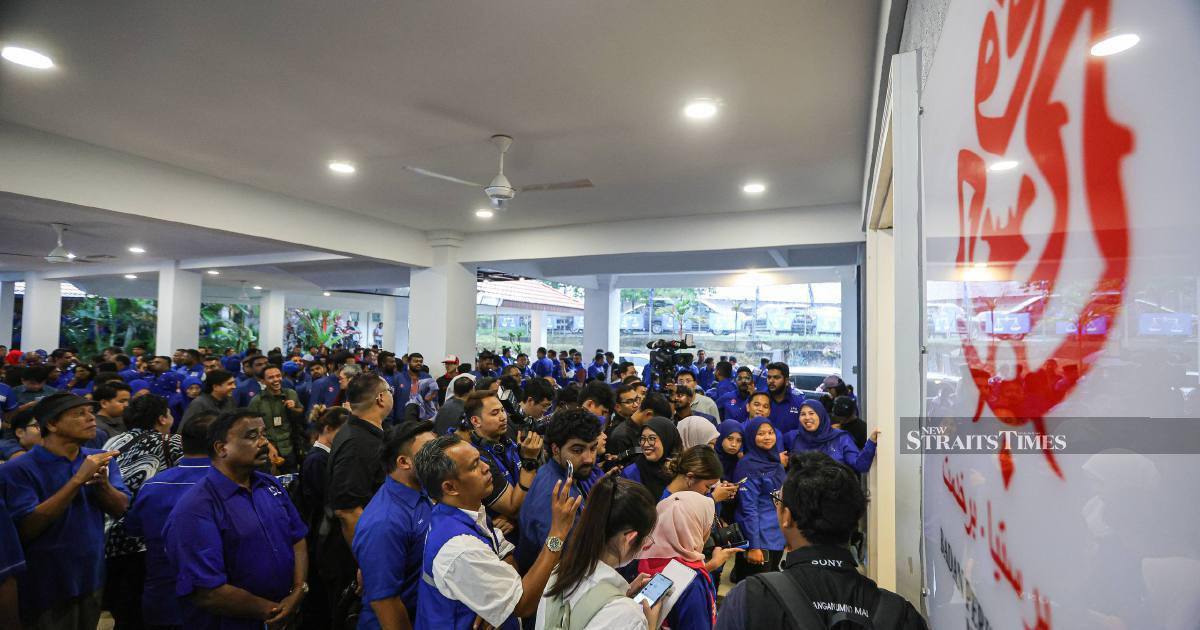
The Johor Umno headquarters in Johor Baru is crackling with anticipation as senior Barisan Nasional figures, grassroots party members, and enthusiastic supporters arrive for the long-expected unveiling of the coalition's candidate lineup for the 16th Johor state election. The gathering reflects the high stakes surrounding the electoral contest in one of Malaysia's most strategically important states, where the outcome will carry implications far beyond Johor's borders.
Barisan Nasional's selection of candidates represents a crucial moment in the coalition's efforts to consolidate support and project unity ahead of polling day. The announcement process itself has become a carefully choreographed political event, with the physical gathering of party machinery at the Johor headquarters serving as a potent symbol of organisational strength and member mobilisation. The visible assembly of party faithful suggests confidence within BN ranks, even as the broader political landscape across Malaysia remains competitive and unpredictable.
Johor holds particular significance within Malaysia's political economy and electoral calculations. As the nation's second-largest state by population and a crucial manufacturing and trading hub, any shift in the state's political complexion would reverberate across federal coalition dynamics. Control of Johor has traditionally anchored Barisan Nasional's parliamentary majority, making the state assembly election a barometer of the coalition's electoral health and a test of its capacity to retain traditional support bases.
The candidate announcement process serves multiple strategic purposes beyond merely naming individuals to contest seats. It offers the coalition an opportunity to demonstrate internal cohesion, particularly if contested selections have been resolved through consensus-building rather than acrimony. The gathering itself generates media coverage and energises the party machinery at a grassroots level, translating leadership decisions into tangible electoral mobilisation across all 56 state constituencies that Johoreans will be called upon to decide.
For observers tracking Malaysian politics, the composition of Barisan Nasional's slate provides crucial intelligence about the coalition's strategic priorities and internal power dynamics. The distribution of nominations among Umno, MCA, and MIC components, the treatment of incumbent representatives, and the introduction of fresh faces all communicate messages about how party leadership assesses electoral vulnerabilities and opportunities in specific districts throughout the state.
The 16th state election campaign arrives at a distinctive moment in Johor's political trajectory. The state has experienced considerable administrative continuity under Barisan Nasional governance, yet electoral trends across Malaysia in recent years have demonstrated that voter preferences remain fluid and responsive to economic concerns, leadership perception, and local governance performance. The candidate selection represents an implicit recognition that maintaining Johor's political alignment with federal Barisan Nasional cannot be presumed but must be actively contested and earned through credible local representation.
Malaysian political observers from Kuala Lumpur to Singapore closely monitor Johor electoral developments because the state's choices often forecast broader movement in the national electoral marketplace. A robust Barisan Nasional performance in Johor would buttress the coalition's claim to durable support and effective governance, while any significant setback would accelerate conversations about shifting political alignments and coalition capacity. The stakes therefore extend well beyond Johor's state assembly, touching upon calculations of federal stability and the competitive positioning of Pakatan Harapan and other opposition alternatives.
The gathering at the Johor Umno headquarters demonstrates that despite challenges to Barisan Nasional's political fortunes in previous national elections, the coalition apparatus in Johor retains organisational vitality and continues to generate enthusiasm among party membership. The visible enthusiasm of supporters and the presence of senior leadership figures underscore that the forthcoming campaign will be contested seriously, with the coalition applying its traditional strengths in electoral machinery, resource mobilisation, and incumbent advantage.
Candidates named through this announcement will become the public face of Barisan Nasional's vision for Johor's future governance over the next five years. Their selection therefore carries weight extending beyond individual political ambitions, representing collective leadership judgement about which individuals can best convert party organisational advantages into electoral victories across the state's diverse constituencies spanning urban centres, suburban residential areas, and rural communities with distinct political preferences and governance priorities.
The announcement itself marks a formal transition in Johor's electoral calendar from the period of speculation and internal coalition negotiations toward the intensified public campaign phase. Once candidates are formally named, political dynamics accelerate as opposition parties respond with their own nomination decisions, media coverage intensifies, and voter attention shifts toward comparative assessment of competing visions for the state's development and governance direction across the next five-year term.