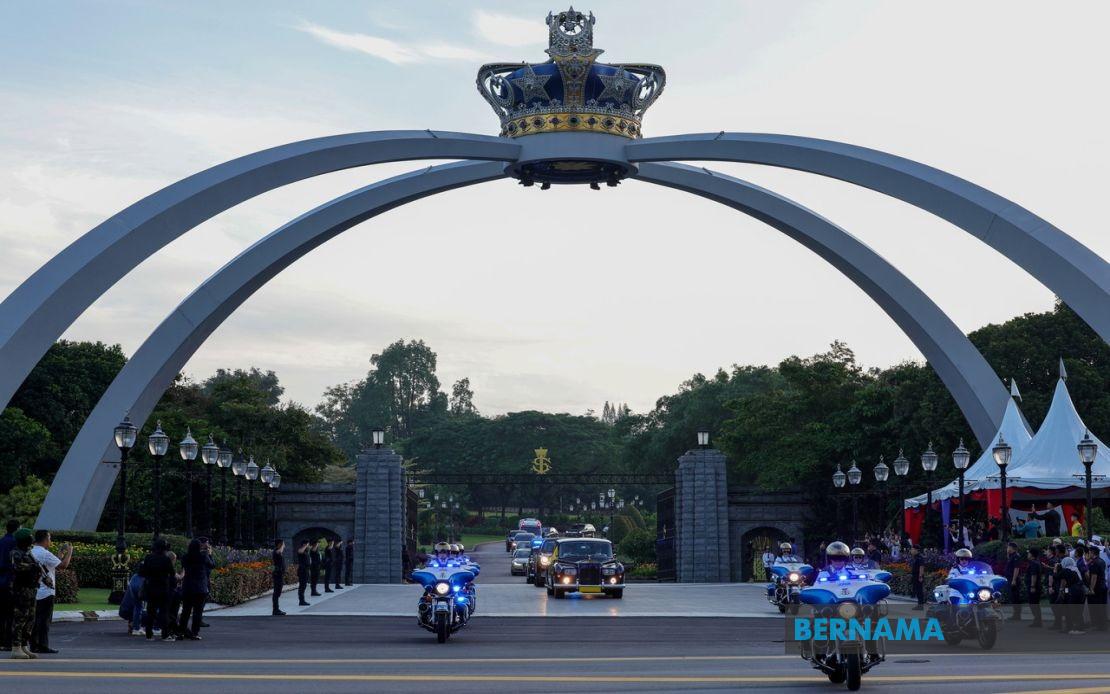
A new Menteri Besar for Johor will be formally inaugurated this afternoon at the royal palace in a ceremonial proceeding that caps an eventful 24 hours of political developments in Malaysia's southern crown jewel. The swearing-in, scheduled for 3 pm at Istana Bukit Serene, represents the culmination of electoral processes and royal consultation that have gripped the state since voting concluded yesterday. While the palace invitation circulated through official channels confirmed the timing and venue, the identity of the incoming chief minister remained undisclosed at the time of the announcement, maintaining an air of formality befitting royal protocols.
The Johor Palace detailed arrangements for media coverage through the invitation issued to news organisations, specifying that journalists would be permitted to observe proceedings from the Crown Arch entrance of Istana Bukit Serene. This controlled access reflects standard protocols for palace ceremonies, ensuring adequate coverage of a significant constitutional moment while respecting the sovereignty of the venue. The relatively brief window between the palace announcement and the ceremony itself generated considerable anticipation, with camera crews and reporters positioning themselves strategically throughout Johor Bahru from midday onwards to track developments as they unfolded.
Barisan Nasional's commanding performance in yesterday's election set the stage for the afternoon's formalities. The coalition secured 48 of the 56 contested seats in what observers have characterised as a decisive mandate from voters, representing a show of strength that extends beyond merely achieving a simple majority. The scale of this victory fundamentally shapes the incoming government's political capital and provides a substantial foundation for implementing the administration's agenda over the coming term. Such a substantial numerical advantage in the state assembly typically translates into considerable legislative flexibility and reduced vulnerability to defections or procedural challenges that could constrain governments with narrower margins.
Royal consultation protocols preceded the formal swearing-in, underscoring the constitutional primacy of the Sultan in state governance structures. Sultan Ibrahim Iskandar's audience with Barisan Nasional chairman Datuk Seri Ahmad Zahid Hamidi at Istana Pasir Pelangi earlier in the day involved discussions that extended nearly an hour, a timeframe suggesting substantive deliberation rather than ceremonial formality. The presence of Johor BN chairman Datuk Onn Hafiz Ghazi at this meeting indicated that state-level party leadership actively participated in the critical consultations that precede any Menteri Besar appointment, ensuring that discussions incorporated perspectives from both federal and state party structures.
The deliberate withholding of the incoming Menteri Besar's name from official palace communications represents a departure from some previous transitions and reflects either genuine deliberation still underway or a deliberate choice to allow the formal ceremony itself to serve as the public announcement. This approach, while maintaining suspense, also ensures that the moment of appointment carries ceremonial weight and captures immediate public attention through the formal proceedings rather than through advance leaks or statements. For Malaysian political observers accustomed to intense speculation during such transitions, the absence of confirmed information contrasted sharply with the intensity of background discussions occurring within party circles and palace channels.
Media preparations throughout Johor Bahru from noon onwards demonstrated the significance accorded to the afternoon proceedings by news organisations. The gathering of journalists at both the Menteri Besar's official residence in Saujana and outside the gates of Istana Bukit Serene created a palpable sense of anticipation that extended throughout the early afternoon. These physical presences reflected the newsworthiness of the occasion within Malaysia's broader political narrative, as Johor holds considerable strategic importance within both Barisan Nasional's overall coalition architecture and within the domestic political landscape more broadly.
The electoral landscape that produced yesterday's result carries implications extending well beyond Johor's borders. State elections serve as significant indicators of political sentiment and coalition strength, and Barisan Nasional's performance provides valuable data regarding voter preferences and organisational effectiveness. The magnitude of the victory suggests that messaging and ground operations proved effective, potentially offering lessons for the coalition's operations in other states and at the federal level. Conversely, the result indicates challenges faced by opposition forces in penetrating Barisan Nasional's traditional support base in Johor, a state that has historically been regarded as a core coalition stronghold.
The constitutional framework governing Menteri Besar appointments centres on the Sultan's prerogative to select individuals capable of commanding assembly confidence. While the outcome appears predetermined given Barisan Nasional's commanding majority, the appointment process itself retains significance as a formal affirmation of royal authority in matters of state executive formation. This ceremonial dimension underscores that Malaysian constitutional monarchy operates within defined parameters where sultans exercise meaningful authority in the appointment process, distinguishing the system from purely ceremonial arrangements in some other Commonwealth democracies.
The afternoon's proceedings represent a transition point from electoral competition to governmental formation and policy implementation. Following the formal swearing-in, attention will inevitably shift toward cabinet composition, policy priorities, and the incoming administration's approach to state-level governance challenges. For Malaysian readers tracking political developments, the ceremony marks not merely a personnel change but the establishment of a new governing configuration that will shape Johor's affairs for the coming term. The Barisan Nasional government entering office with substantial assembly backing carries expectations for delivering on electoral promises while managing the diverse interests represented within its coalition structure.

