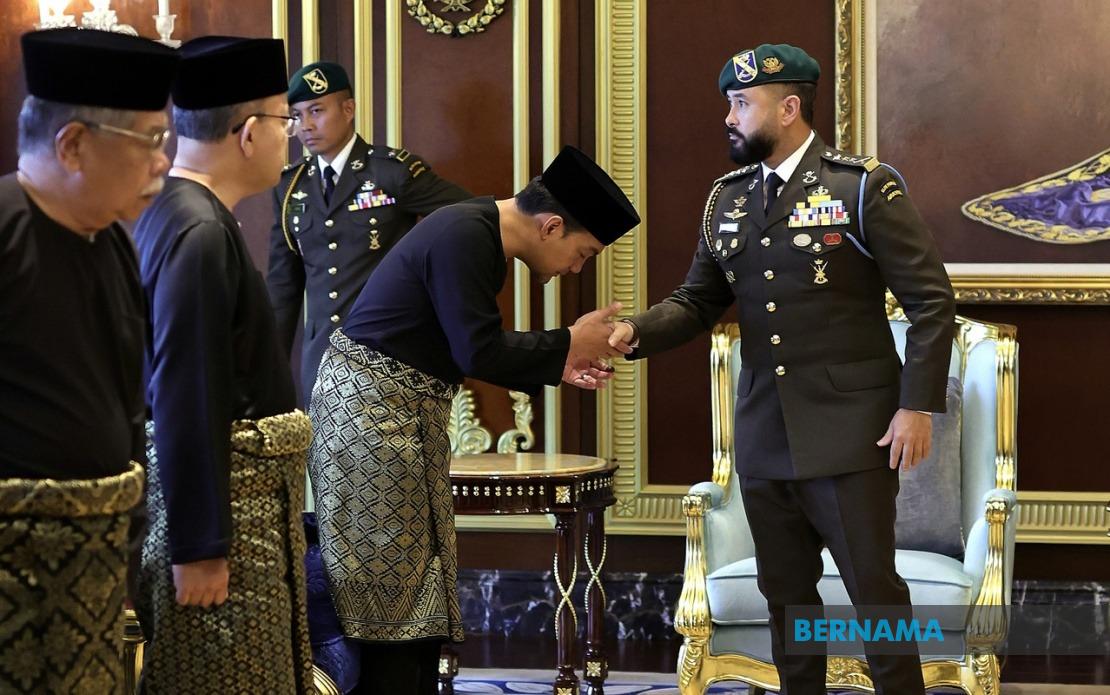
The Johor State Executive Council's new line-up will formally commence office in a swearing-in ceremony at Istana Bukit Serene tomorrow, marking the official transition to the state administration following last Saturday's decisive election outcome. The Regent of Johor, Tunku Mahkota Ismail, will oversee the proceedings as members of the freshly constituted council take their oaths before commencing their duties. This ceremonial milestone represents the formal beginning of a new chapter in Johor's governance, setting the stage for the incoming administration's policy direction and initiatives over the coming years.
The formal investiture will draw key figures from the state's political and administrative hierarchy. Those confirmed to attend the swearing-in include Menteri Besar Datuk Onn Hafiz Ghazi, who was appointed to lead the government following his party's electoral success, alongside Datuk Dr Abdul Rahim Ramli in his capacity as Johor Council of Royal Court president and state secretary Datuk Mohammed Ridha Abd Kadir. The presence of these officials underscores the ceremonial importance attached to the transition, ensuring that all constitutional formalities are observed with appropriate solemnity and protocol.
Journalists and media personnel have been invited to document the occasion, with access to the palace grounds arranged from 9.30 am through both principal entrances. This arrangement reflects contemporary practice in Malaysian governance, balancing public interest in state affairs with the formal nature of constitutional proceedings. Media coverage of such ceremonies serves to provide transparency and public accountability in the transfer of political power, allowing citizens to witness the democratic processes that underpin their state's governance.
The swearing-in ceremony arrives just four days after Datuk Onn Hafiz Ghazi himself took the oath as Menteri Besar on July 12, an appointment that directly followed the Johor State Election held the preceding Saturday. His elevation to the chief ministerial position represented the culmination of an electoral campaign that resonated across the state's diverse constituencies, and tomorrow's ceremony extends that moment of transition to the broader executive structure that will support his administration.
Barisan Nasional's performance in the 16th Johor State Election delivered a commanding mandate, securing 48 of the 56 available seats in the state assembly. This substantial majority—capturing approximately 86 percent of the legislature—provides the incoming government with considerable latitude in implementing its legislative agenda and demonstrates decisive voter endorsement of the coalition's platform. The scale of the victory distinguishes this outcome from many previous state elections in Malaysia, where results frequently produced narrower majorities requiring more delicate coalition management.
The electoral result carries significant implications for Malaysian politics beyond Johor's borders. As one of Malaysia's most developed and economically significant states, Johor's political complexion influences the broader regional balance between competing coalitions at the national level. Barisan Nasional's resounding success in capturing nearly all of Johor's parliamentary representation strengthens its position heading into future national elections and consolidates its control over one of the peninsula's most politically consequential regions. The coalition's performance in this contest suggests sustained voter confidence in its governance model, at least within this strategic state.
For Menteri Besar Datuk Onn Hafiz Ghazi, the formal swearing-in of his executive council represents a critical juncture in establishing the operational capacity of his administration. The Exco members—though not individually named in the official announcement—will collectively shoulder responsibility for overseeing the state's various portfolios and translating the coalition's electoral promises into concrete policy outcomes. These individuals will require rapid familiarisation with their respective briefs, departmental structures, and standing projects to ensure administrative continuity and effective service delivery to Johor's residents.
The timing of the ceremony, occurring just days after the chief minister's own investiture, allows for a swift crystallisation of the administration's full leadership structure. Rather than staggering the appointment process over weeks, this accelerated timeline demonstrates commitment to rapid implementation of governance priorities. State governments in Malaysia typically move quickly to formalise their executive structures following elections, as delays in establishing the complete council can create administrative ambiguity and complicate decision-making processes during the critical early weeks of a new administration.
Istana Bukit Serene's hosting of the ceremony situates the proceedings within Johor's most significant constitutional venue, reinforcing the formal and ceremonial weight of the occasion. The palace has hosted innumerable such events throughout Johor's history, making it an appropriate setting for marking transitions in state governance. The involvement of the Regent of Johor in presiding over the ceremony reflects the constitutional monarchy's integral role in Malaysian state administration, where the Yang di-Pertuan Agong equivalent at the state level retains symbolic and constitutional authority over government formation and transition.
The public invitation extended to media practitioners reflects contemporary expectations of governmental transparency in Malaysia. Rather than conducting such proceedings behind closed doors, modern practice embraces documented public witness of constitutional processes. This approach serves multiple functions: it provides assurance to the public that established procedures have been properly observed, creates an institutional record of the transition, and affirms the legitimacy of the incoming administration by subjecting its commencement to public scrutiny and media documentation.
Looking forward, the successful formalisation of the executive council tomorrow will mark the point at which Johor's new administration transitions from electoral mandate to operational reality. The coming weeks will test whether the incoming Exco can translate the coalition's clear electoral support into effective governance, responsive public service, and tangible improvements in areas such as economic development, infrastructure, education, and healthcare. The composition and performance of this executive body will significantly influence public perception of Barisan Nasional's stewardship in Johor and may offer early indicators of the coalition's capacity to address voter concerns and deliver on campaign commitments.

