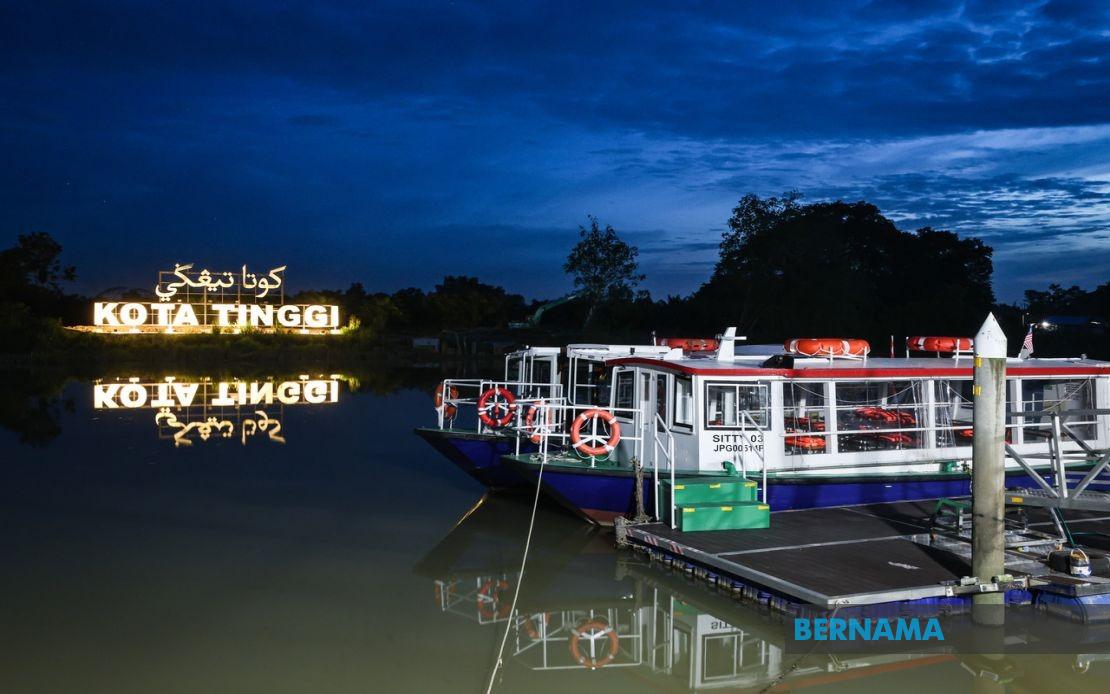
The landscape along Sungai Johor transforms dramatically once a boat leaves Pangkalan Kota Jetty in Kota Tinggi. Urban development recedes as dense riparian vegetation dominates both riverbanks, creating an environment where travellers encounter the rhythm of nature rather than city life. This transition marks the beginning of an experience carefully curated by Kota Tinggi River Cruise (KTRC), which has positioned itself as a significant player in Johor's expanding ecotourism sector, timed strategically with the Visit Johor 2026 campaign to showcase the state's cultural and environmental assets.
The 6.7-kilometre cruise route represents more than a picturesque journey through greenery. According to KTRC operations manager Aiman Haikal Mohd Azmi, Sungai Johor carries profound historical significance as a waterway that witnessed the establishment of the Johor-Riau Sultanate following Malacca's collapse in the 16th century. This river functioned as the economic and administrative artery for early settlements, including Johor Lama and Kampung Makam, locations where several former Johor sultans were interred. Understanding this heritage dimension is critical for Malaysian travellers seeking to reconnect with peninsular Malay history beyond textbooks and museums.
The cruise's commercial success validates Johor's investment in heritage-based tourism. Within seven months of operations, KTRC recorded more than 10,000 visitor arrivals, a figure that underscores growing regional appetite for experiential tourism products combining education with environmental immersion. The clientele extends beyond Malaysian borders, with visitors from Singapore, Indonesia, and Brunei choosing the cruise as a gateway to understanding Johor's sultanate legacy. This cross-border appeal suggests potential for KTRC to become a regional draw, enhancing Johor's tourism ecosystem and differentiating it from competitors focused exclusively on shopping and beach destinations.
The daytime cruise itinerary incorporates several photographically compelling landmarks, notably Titian Laksamana, a pedestrian suspension bridge that has become an Instagram-worthy attraction, and the Johor River Barrage, which serves both functional and aesthetic purposes. During the approximately sixty-minute journey, passengers encounter narratives surrounding historical figures such as Sultan Mahmud Mangkat Dijulang and Laksamana Bentan, delivered through fixed audio commentary or dynamic live narration by trained tour guides. This layering of visual and auditory elements creates a multisensory experience that transforms passive sightseeing into active historical engagement, particularly valuable for younger visitors and non-Malay speakers seeking accessible entry points into regional history.
Beyond daytime offerings, KTRC has developed a specialised Mesmerising Fireflies package timed for dusk hours, when thousands of bioluminescent insects create a natural light show across the water. This phenomenon, occurring seasonally, represents ecological tourism at its most authentic—visitors experience Sungai Johor's biodiversity without artificial enhancement or environmental disruption. Such packages address a growing market segment of tourists prioritising authentic nature encounters over commercialised attractions, particularly among environmentally conscious travellers from developed economies seeking ethical tourism options.
The Dining Cruise package extends KTRC's product portfolio by combining gastronomic experience with panoramic views of Kota Tinggi's riverside landscape. This offering appeals to couples, corporate groups, and special-occasion celebrants seeking venues beyond conventional restaurant settings. The integration of food service with river-based sightseeing demonstrates sophisticated understanding of lifestyle tourism trends, where experiences are valued for their Instagram-ability and social shareability—factors that drive organic marketing through digital platforms and influencer networks.
Operational logistics reflect professional management standards. KTRC operates daily from 9 am to 7 pm on weekdays, extending to 10 pm Friday through Sunday, with hourly departures ensuring accessibility and flexibility for diverse visitor schedules. The tiered pricing structure—RM20 for adult day cruises, RM15 for children, RM10 for senior citizens and persons with disabilities—demonstrates commitment to inclusive tourism. Sunset and firefly cruises command premiums (RM23, RM17, and RM13 respectively), reflecting added value through specialised timing and richer experiential content. These price points position KTRC competitively within Malaysia's regional ecotourism market.
From an economic perspective, KTRC's success carries implications for rural Johor communities adjacent to Sungai Johor. Heritage and nature-based tourism generates direct employment through tour guiding, boat operations, and ancillary services. Aiman Haikal emphasised that initiatives like the river cruise simultaneously protect river ecosystems while creating sustainable livelihood opportunities for local populations. This dual benefit—conservation coupled with economic development—addresses one of Southeast Asia's critical policy challenges: maintaining environmental integrity while improving rural prosperity.
State-level support mechanisms will determine KTRC's long-term trajectory. Aiman Haikal's advocacy for continued government backing reflects awareness that ecotourism ventures require institutional endorsement through infrastructure investment, regulatory frameworks, and marketing coordination. Johor's state government has demonstrated commitment through Visit Johor 2026, but sustaining this momentum requires policy consistency and cross-agency collaboration spanning environmental protection, tourism development, and heritage preservation. Malaysian tourism stakeholders should monitor whether such integration becomes a replicable model for other states developing heritage-ecological tourism products.
The broader context involves positioning Johor within Malaysia's competitive tourism landscape. While Kuala Lumpur dominates international tourist numbers and Sabah-Sarawak lead ecotourism rankings, Johor has historically occupied a transitional space—convenient for Singapore day-trippers but rarely a primary destination for extended visits. KTRC and similar initiatives attempt to change this calculus by offering authentic experiential products unavailable in neighbouring destinations. Success requires sustained differentiation, consistent quality delivery, and integration with broader state tourism ecosystems including accommodation, dining, and complementary attractions. The river cruise's initial performance suggests such potential exists, provided strategic investment and governance remain aligned with operational realities.

