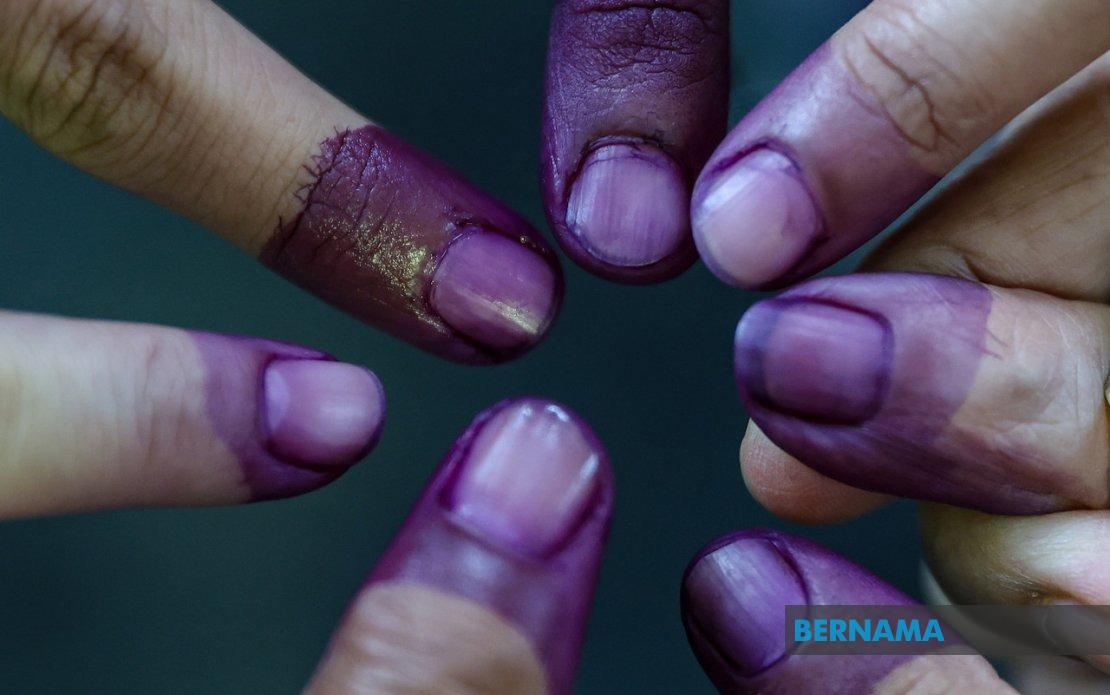
The 16th Johor state election on July 11 saw more than 2.6 million eligible voters head to the polls to select representatives for 56 State Legislative Assembly seats, but the day offered something beyond the typical civic duty. Across the state, the purple indelible ink mark applied to voters' fingers—a standard anti-fraud measure—transformed into an unexpected currency for consumer rewards, as participating food and beverage chains embraced the opportunity to celebrate democratic participation through special promotions.
The indelible ink system, which has been used by Malaysia's Election Commission since its debut during the Kuala Besut by-election in 2013, serves a crucial electoral function: preventing multiple voting and ensuring the sanctity of the ballot. Yet on this particular Saturday, the distinctive purple stain became something more culturally significant, representing not just procedural safeguards but also a genuine attempt by businesses to acknowledge and appreciate those who exercised their franchise. The gesture, though modest in financial terms, carried symbolic weight in an election season marked by significant political contest and public engagement.
The Coffee Bean & Tea Leaf led the promotional push by offering 20 per cent discounts on selected menu items to customers displaying their inked fingers throughout the day. Krispy Kreme joined the initiative by reducing the price of their Original Glazed doughnuts to RM2 for those who could prove they had voted, an offer extended at select locations while supplies remained available. These major chains understood the appeal: voters would naturally congregate in commercial areas after polling, creating a natural intersection between the democratic process and consumer activity. By aligning their brand messaging with civic participation, these businesses positioned themselves as stakeholders in the electoral experience itself.
Burger King extended its support slightly beyond the immediate polling day, offering complimentary Soft Serve Cone ice cream with any set meal purchase through to the following day, effectively capturing both Election Day voters and those who might have participated in advance polling. Marrybrown, a homegrown quick-service restaurant brand popular across the Southeast Asian region, contributed one free piece of fried chicken with any MB Combo purchase upon presentation of the purple mark. This local brand's participation underscored how the initiative resonated across both international and regional food operators, reflecting a broader commercial enthusiasm for election engagement.
The spontaneity and reach of these promotions became apparent through social media channels, where voters enthusiastically documented their post-voting reward visits throughout the morning and afternoon. Images of purple-stained fingers alongside coffee cups, doughnuts, and fast-food meals circulated widely, transforming what might have been routine polling day activity into shareable moments of celebration. This organic social media amplification demonstrated how businesses could leverage election-themed promotions to generate authentic engagement without appearing overtly political—a delicate balance in Malaysia's diverse and sometimes contentious electoral landscape.
The promotion strategy reflected a sophisticated understanding of voter behavior and timing. Those completing their civic duty would naturally seek sustenance and refreshment afterward, and the participating brands positioned themselves as ready alternatives to the traditional post-voting gatherings. The limited-time nature of most offers created urgency, encouraging immediate participation rather than delayed consumption. For many voters, particularly first-time participants or younger demographics more accustomed to coupon-driven retail experiences, the rewards added a genuinely positive dimension to their electoral participation.
Johor's election featured substantial political competition, with 172 candidates vying for the 56 available seats. Pakatan Harapan and Barisan Nasional each fielded the maximum 56 candidates, while Perikatan Nasional presented 33 hopefuls, Parti Bersama Malaysia 15, the Malaysian United Democratic Alliance four, and smaller parties and independent candidates making up the remaining slots. This crowded field reflected the genuine political stakes at play, with multiple political coalitions and independent voices competing for state-level influence.
The festive atmosphere generated by the promotional campaign functioned as a subtle counterbalance to the intensity of electoral competition. While voters were making consequential political decisions that would shape the state's direction, the commercial rewards created moments of lightness and community appreciation. This combination—serious democratic choice alongside celebratory recognition—reinforced positive associations with voting participation itself, potentially contributing to the high turnout and engagement evident throughout the day.
The indelible ink marks served dual purposes that transcended their original technical function. Beyond their role as anti-fraud mechanisms, the purple-stained fingers became visible badges of participation, tokens that could be leveraged within the consumer economy. For businesses, the promotions represented relatively low-cost marketing that generated goodwill while associating their brands with responsible citizenship. For voters, the rewards transformed a procedural requirement into an opportunity, adding tangible value to their democratic participation.
From a broader Southeast Asian perspective, Johor's election demonstrated how democracies could innovatively blend civic engagement with commercial activity in ways that felt organic rather than cynical. The initiative honored the traditional significance of elections while acknowledging contemporary consumer culture, creating a uniquely Malaysian election day experience. Whether such promotions might become a fixture of future electoral events remains unclear, but their success in Johor suggested significant commercial and social appetite for celebrating democratic participation in accessible, consumer-friendly ways.

