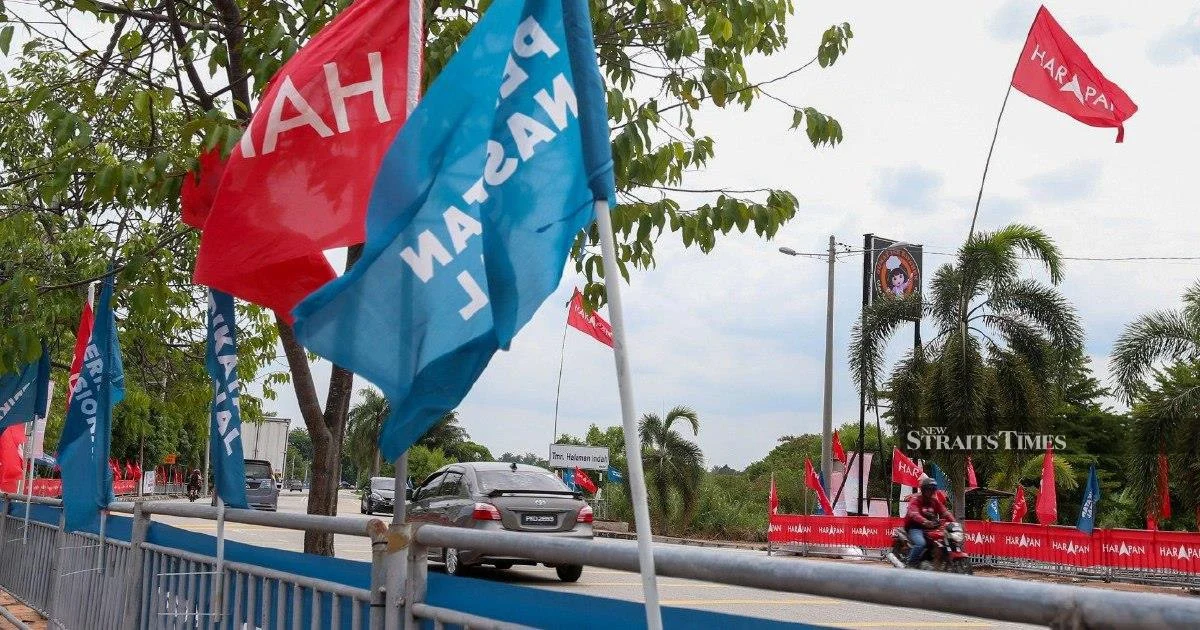
The official nomination period for the 16th Johor state election opened today, formally launching the campaign contest across the state's 56 constituencies. This pivotal procedural moment transforms political momentum in Malaysia's southern tier, as candidates from various parties officially registered their candidacies and began competing in earnest for legislative representation. The simultaneous opening of nominations across all 56 seats underscores the scale and complexity of Johor's electoral process, requiring coordinated administrative efforts across the state while presenting a snapshot of voter sentiment in one of Malaysia's most politically consequential regions.
Johor's electoral significance extends beyond its own jurisdiction. As the nation's second-largest state by population and a traditional political stronghold, its governance outcomes ripple through regional and national political calculations. The composition of Johor's state assembly influences the broader balance of power in Malaysian politics, particularly given the state's economic importance and its role as a base for various political movements. For the ruling coalition and opposition parties alike, Johor serves as both a testing ground for campaign strategies and a crucial prize that shapes perceptions of political momentum heading into potential federal developments.
The nomination day mechanism itself represents a critical juncture in electoral democracy. Candidates must formally present themselves before returning officers, providing the electorate with confirmed lists of who is competing for office. This procedural gateway filters out those uncommitted to the race while allowing party machinery to make final adjustments to their slate. For voters across Johor's diverse constituencies, the nominations reveal the demographic composition of candidates, the depth of competition in their areas, and which contests may be closely fought versus those where one party enjoys dominance.
Johor's 56 constituencies encompass considerable geographic and demographic variation. Urban centres around Johor Baru, Kota Tinggi, and other developed areas contrast sharply with rural districts across the state's interior and peripheral regions. This diversity means that electoral dynamics operate differently across constituencies; urban voters may prioritize development policies, economic opportunities, and service delivery, while rural constituencies often emphasize infrastructure, agricultural support, and land rights. Candidates and parties must calibrate their messaging and priorities accordingly, leading to varied campaign strategies across the state.
The nomination process simultaneously reveals party strengths and internal deliberations. Whether parties field experienced incumbents, newcomers, or face contested selection battles shapes perceptions about internal discipline and confidence. Parties must balance loyalty to long-serving members with fresh appeal to younger voters seeking change. The candidate selection reflects calculations about which constituencies are winnable, which are defensive battles, and where symbolic candidates might garner support even if electoral prospects appear limited. These choices communicate internal party assessments about the electoral landscape.
Competitiveness across Johor's constituencies varies considerably. Certain seats have historically tilted toward one party or coalition, while marginal constituencies remain genuinely contested. Some constituencies have seen dominant figures hold office through multiple election cycles, while others experience volatile swings reflecting broader shifts in voter preference. The nominations reveal which areas will likely witness intense three-way battles, which contests pit two formidable challengers, and where one candidate may expect smoother passage. This variation creates distinct campaign micro-climates within the broader Johor election.
The timing of Johor's election holds its own significance within Malaysia's political calendar. State elections across Malaysia occur at different times, sometimes creating cumulative political effects as multiple contests approach close intervals. The Johor contest provides insights into prevailing political sentiment that may influence federal considerations or other states' calculations. Conversely, recent electoral outcomes elsewhere in Malaysia shape the atmosphere in which Johor votes, creating a flow of momentum and narrative that candidates must navigate.
Voter registration and eligibility form the bedrock upon which nomination day rests. Only those meeting citizenship, age, residency, and mental competency requirements participate in these elections. Constituencies are delimited according to population criteria, though debates persist about whether current boundaries reflect demographic changes fairly. These foundational aspects of electoral administration influence who can vote and how their ballots translate into legislative representation. Nomination day presumes an orderly, transparent registration system and competent delimitation that both sides broadly accept, foundations that have generally held in Malaysian elections despite occasional disputes.
Campaign dynamics intensify rapidly following nominations. Candidates gain media attention, parties deploy resources and volunteers, and electoral machinery accelerates. Campaign rallies, walkabouts, and media engagement intensify across constituencies. The formal campaign period that follows nominations establishes the rhythm for the contest, with parties emphasizing distinct policy platforms, leadership qualities, and track records. The contests reflect Malaysian voters' preferences regarding development priorities, governance quality, corruption mitigation, and leadership character.
For Johor specifically, the election represents an opportunity for voters to evaluate current governance and express preferences about future direction. The state's economic performance, infrastructure development, service delivery quality, and handling of pressing issues like education, healthcare, and flood management factor into electoral calculations. Incumbents defend their records while challengers propose alternative visions. This electoral accounting mechanism underpins democratic accountability, forcing leaders to answer for their tenure and proposed alternatives to demonstrate feasibility and advantage.
The simultaneous nomination across all 56 seats ensures that the electoral timeline progresses uniformly, with voting day occurring on the same date for all constituencies. This simultaneity creates a statewide moment of democratic participation, preventing staggered voting that might allow early results to influence later contests. Coordination of this magnitude requires substantial administrative capacity, involving thousands of returning officers, poll workers, and security personnel operating under standardized procedures. The nomination period begins this coordinated effort that culminates in voting day.
Looking forward, the formal campaign period will reveal how candidates differentiate themselves and which issues dominate public discourse. Johor voters will ultimately decide among competing visions for their state's governance and development. The nomination process, therefore, marks not a conclusion but rather the commencement of the sustained democratic conversation that will shape Johor's political future and influence the broader Malaysian political landscape.

