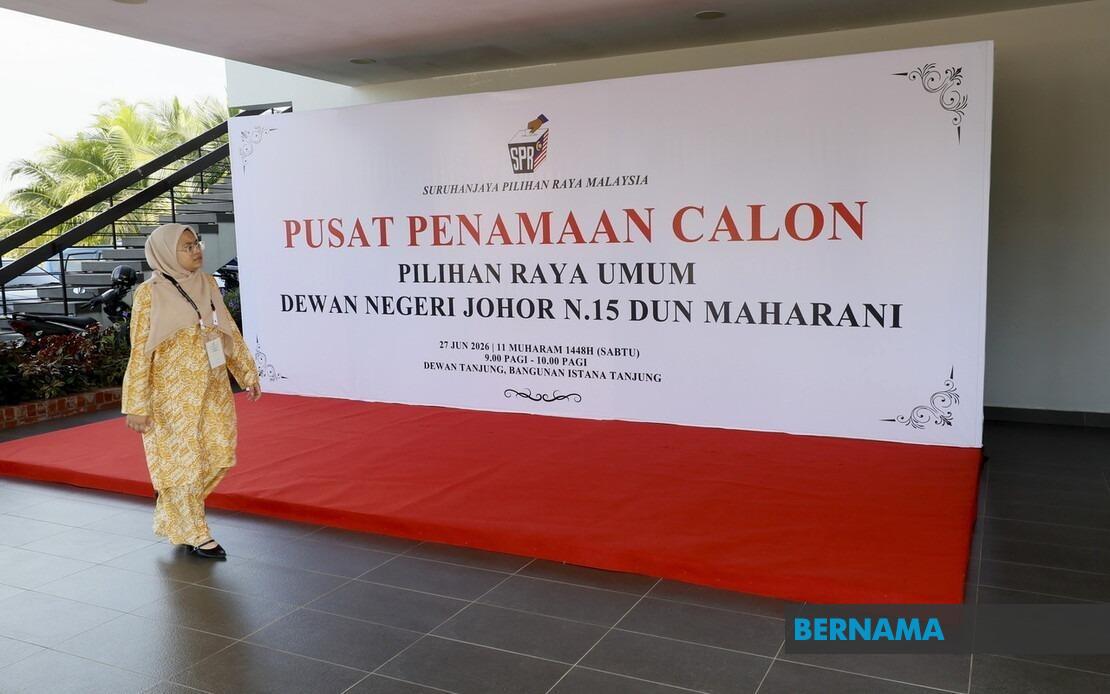
The machinery of Johor's 16th state election formally set into motion on June 27, with nomination day bringing the electoral process into public view across 56 designated nomination centres throughout the state. Starting at 9 am, prospective candidates rushed to lodge their nomination papers within a tight one-hour window closing at 10 am, after which the Election Commission would formally declare those eligible to contest the upcoming polls. This day marked the start of what is shaping up to be a consequential contest for control of Malaysia's most economically significant state.
Following the afternoon announcement of validated candidates, the campaign period officially commenced, unleashing 14 days of political activity that will run until July 10 at 11:59 pm. This campaign window represents the formal period when parties can openly seek voter support through rallies, door-to-door canvassing, and media engagement. Early voting has been scheduled for July 7, allowing certain categories of voters to cast ballots before the main polling day on July 11. These dates follow the June 1 dissolution of the Johor State Legislative Assembly, which sparked the election machinery.
The scale of this electoral exercise is substantial. By the morning before nomination day, 593 nomination forms had been distributed to interested parties, while 133 prospective candidates had already committed by submitting their required election deposits. These figures suggest a competitive field is materialising, with candidates from multiple political camps positioning themselves for the contest. The Election Commission is administering the election across all 56 state constituencies, managing one of the largest electoral exercises in Malaysia's recent political calendar.
The electorate participating in this election comprises approximately 2.73 million registered voters spread across Johor's constituencies. This breakdown includes 2.7 million ordinary voters, alongside 12,041 military personnel and their spouses, and 12,710 police personnel and their families who are entitled to vote. This voter composition reflects the state's significant military and security presence, factors that can sometimes influence electoral dynamics in constituencies with substantial defence and law enforcement installations.
Pakatan Harapan is contesting all 56 seats through a coalition arrangement: PKR fields 20 candidates, Amanah contributes 19, and DAP presents 17 candidates. This represents the opposition bloc's bid to recapture control of the state after losing significant ground in recent years. Barisan Nasional, which has dominated Johor politics, is similarly contesting all constituencies through its component parties: UMNO nominates 36 candidates, MCA 16, and MIC four. The coalition's numerical strength suggests it remains confident of retaining its substantial parliamentary presence despite electoral headwinds nationally.
Perikatan Nasional has adopted a multi-party strategy, fielding candidates through PAS in 11 seats, Bersatu in 16, Malaysian Indian People's Party in five, and Pejuang in one seat. This distribution reflects the coalition's attempt to maximise its reach while managing internal party dynamics and seat-sharing arrangements. The presence of multiple parties within PN highlights the coalition's complexity and the balancing act required to manage different constituencies' political preferences and demographic compositions.
Several other parties are participating, signalling a fragmented electoral landscape. MUDA is contesting four seats, building on its earlier electoral breakthrough in Johor. The Socialist Party of Malaysia fields a single candidate, maintaining a symbolic presence. Most significantly, Bersama, a newly registered political entity, is making its electoral debut by contesting 15 seats. This party's participation underscores the continuing dynamism in Malaysia's political party ecosystem and voter appetite for new political options beyond the established coalitions.
Nomination day traditionally generates considerable public interest and spectacle, with party supporters converging on nomination centres to demonstrate backing for their preferred candidates. The Election Commission has issued reminders to all participants to adhere to the Election Offences Act 1954 and local authority regulations, particularly restrictions on using musical instruments and vehicle-mounted loudspeakers during campaign activities. These regulations aim to maintain order and prevent the nomination process from descending into chaos, though the energy and enthusiasm of supporters often tests these boundaries.
Weather conditions presented a complication for nomination day activities. The Malaysian Meteorological Department forecast rain in morning hours across several Johor locations, with afternoon thunderstorms anticipated in various areas. Such conditions can dampen turnout at nomination centres and complicate logistical arrangements, though they typically do not significantly impact the formal nomination process itself. The police have deployed 4,832 personnel to maintain security and manage traffic throughout the state, with 19 major roads experiencing closures and diversions to facilitate smooth operations near the 56 nomination centres.
The electoral landscape in Johor has shifted noticeably since the last state election. Before the assembly's dissolution on June 1, Barisan Nasional held a commanding 40 seats out of 56, followed by Pakatan Harapan with 12 seats, Perikatan Nasional with three, and MUDA with one. This distribution gave BN a substantial majority but also suggested that opposition gains had eroded its previously dominant position. The seven-week campaign period ahead will determine whether BN can consolidate its advantages or whether opposition coalitions can exploit dissatisfaction and capture additional ground.
Johor's political trajectory carries implications beyond the state itself. As Malaysia's third-largest state by population and a significant economic contributor, electoral outcomes here can influence national political calculations and coalition dynamics. The state has traditionally served as a testing ground for political strategies and voter sentiment, making its results instructive for national political leaders. The participation of new parties like Bersama and established opposition coalitions suggests voters are actively considering alternatives, potentially reflecting broader currents of political reassessment flowing through Malaysian society.
The contest unfolding across Johor's constituencies will feature a mixture of familiar faces, freshly elected representatives seeking re-election, and returning former assemblypersons attempting political comebacks. This blend of incumbency, new blood, and returning figures creates an unpredictable dynamic that voters will navigate over the coming weeks. The 14-day campaign period will allow parties to articulate their visions and respond to local concerns, while the July 11 polling day will ultimately determine which combination of parties commands legislative authority in Johor for the next term.

