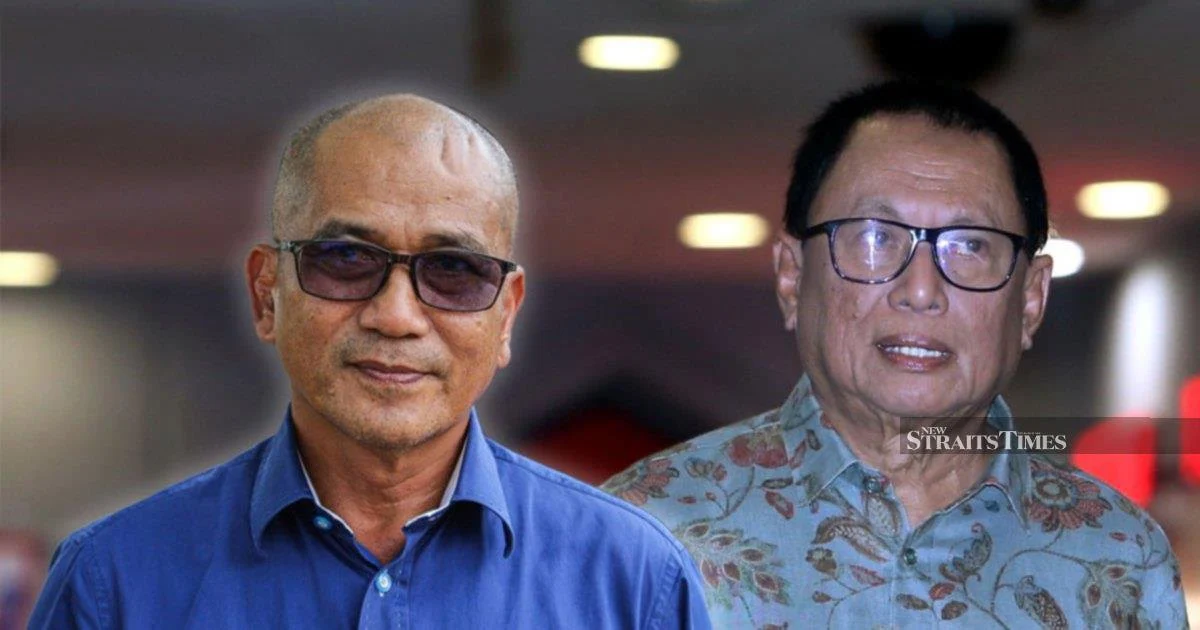
Johor Umno's leadership has mounted a vigorous defence against assertions made by Datuk Dr Mohd Puad Zarkashi, the former speaker of the Johor state legislative assembly, regarding the dissolution of the assembly announced on June 1. Party officials in the southern state have dismissed his claims as serious slander, signalling a deepening rift within the party over the circumstances surrounding the dissolution decision.
The confrontation underscores lingering tensions within Johor's political establishment following the parliamentary dissolution process. While Puad Zarkashi served in a ceremonial yet influential position as speaker, his departure from the official narrative adopted by party leadership suggests meaningful disagreement exists over how the dissolution was executed and what prompted it. The public nature of the rebuttal indicates both sides believe the matter warrants scrutiny beyond closed-door party discussions.
Puad Zarkashi's previous role placed him at the apex of the state assembly's administrative structure, making his statements carry particular weight among observers seeking to understand the internal dynamics that preceded the June 1 decision. His willingness to speak publicly against the dominant Umno narrative suggests he possesses insider knowledge of the deliberations that led to dissolution. Former speakers rarely break ranks on such fundamental matters unless they believe the public record has been significantly distorted.
The timing of this dispute matters considerably for understanding Johor's political trajectory. Assembly dissolutions represent extraordinary constitutional moments that reshape political calculations, determine electoral calendars, and affect government mandates. When senior figures from the same party contradict each other on such pivotal decisions, it reveals fault lines that may impact future coalition-building, candidate selection, and policy priorities within the state administration.
Umno's response strategy—framing Puad Zarkashi's allegations as defamatory rather than engaging substantively with his specific claims—suggests the party leadership wishes to contain rather than debate the controversy. This defensive posture may reflect confidence that their version of events will prevail, or conversely, anxiety that deeper inquiry could uncover uncomfortable details about how the dissolution decision was reached. Either way, the characterisation of his statements as slander rather than mistake or misunderstanding indicates the disagreement concerns fundamental questions of integrity and process.
For Malaysian observers, this intra-party conflict demonstrates that even parties with seemingly unified public faces harbour significant internal disagreements. Umno's dominance in Johor has historically masked generational and ideological tensions that occasionally surface. The Puad Zarkashi dispute fits a pattern of occasional public ruptures where senior figures step outside party discipline to challenge leadership narratives, usually reflecting deeper frustrations about decision-making processes or policy direction.
The dissolution itself carried substantial implications for Johor's governance and the broader Malaysian political landscape. State assemblies represent crucial levels of government where local development, administrative efficiency, and constituent services directly affect public welfare. Premature dissolutions risk administrative disruption and electoral expense, justifying why assembly speakers and other senior figures might scrutinise such decisions through ethical and procedural lenses.
Puad Zarkashi's decision to publicly contest the party's official account suggests he may have documented concerns about the dissolution process or possessed knowledge of discussions that contradicted public statements. Former speakers occupy unique positions combining ceremonial authority with substantive influence over parliamentary procedure and timing. Their silence following controversial dissolutions could be interpreted as tacit endorsement, making his decision to speak a deliberate choice with potential consequences for his standing within Umno.
The broader context includes Malaysia's evolving political culture where internal party disputes increasingly play out in the media rather than remaining confined to party forums. This reflects both declining party discipline and increased public appetite for transparency about governmental decision-making. When Umno leaders trade public accusations, Malaysian voters gain rare glimpses into how major political organisations actually function behind their unified external presentations.
For other opposition and ruling parties watching Johor developments, the Puad Zarkashi dispute offers lessons about managing internal disagreements and preventing senior figures from becoming focal points for dissident narratives. The effectiveness of Umno's damage control strategy may influence whether other parties adopt similar approaches or attempt earlier reconciliation with prominent critics.
Looking forward, this controversy may affect Puad Zarkashi's political prospects within Umno and any subsequent government that might recall him to leadership positions. In Malaysian politics, figures who publicly challenge party narratives on significant matters often face subtle marginalisation regardless of formal reconciliation. Conversely, his willingness to speak publicly may enhance his standing among voters concerned about governmental accountability and procedural propriety in decision-making.
The resolution of this dispute will likely depend on whether documentary evidence, legislative records, or internal party materials substantiate either the Umno leadership's account or Puad Zarkashi's alternative version. Until then, Johor politics remains clouded by conflicting narratives about one of the year's most consequential administrative decisions, with national implications for how Malaysia's premier political party handles internal dissent.

