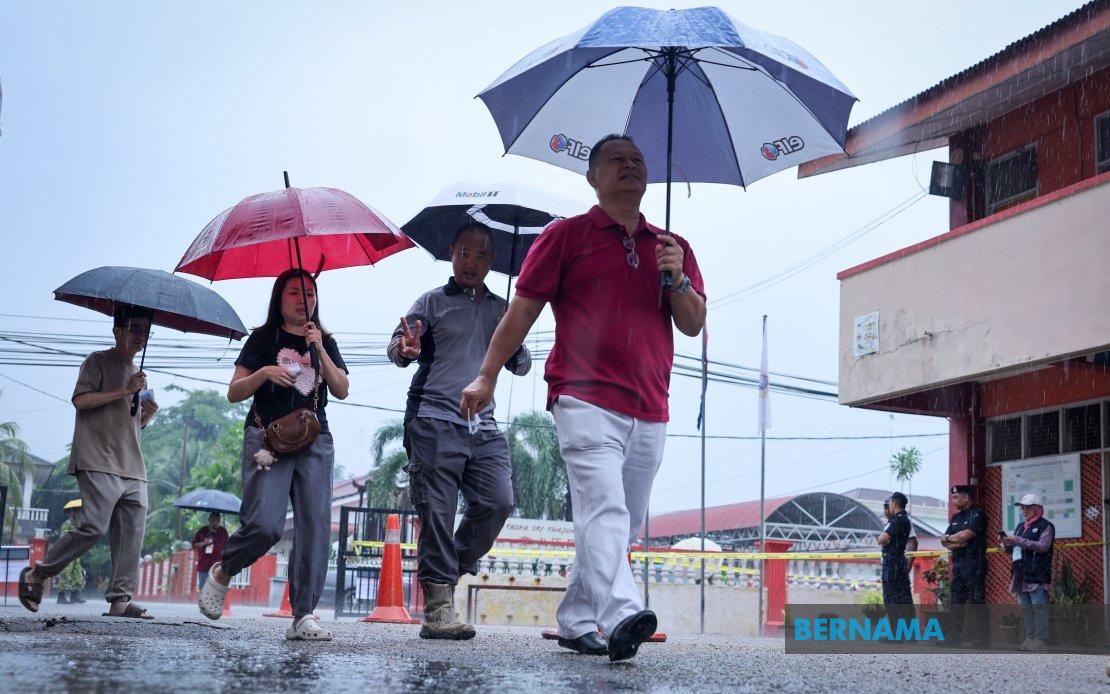
The 16th Johor State Election proceeded largely without disruption on July 11, with electoral authorities reporting generally pleasant weather conditions throughout most of the state despite early morning downpours affecting the Muar district. The polling day saw brisk activity at voting centres from the moment operations commenced, signalling a high level of public engagement in the democratic process despite localized adverse weather.
Election Commission officials, security personnel and news correspondents established their presence at polling stations well before the official 8am start time, with several centres reporting activity from 7am onwards. This early mobilization reflected standard procedures to ensure smooth operations and the proper conduct of voting across the expanded electoral landscape. The infrastructure deployment demonstrated the logistical complexity involved in coordinating simultaneous elections across a geographically dispersed state.
Most regions experienced clear skies and dry conditions that facilitated voter turnout throughout the day. At Sekolah Kebangsaan Seri Pantai in Mersing, the pleasant weather welcomed early arrivals including elderly voters and people with disabilities who had been granted priority access periods. Similar conditions prevailed at urban polling venues including Dewan Raya Taman Ungku Tun Aminah in Johor Bahru, as well as secondary and vernacular schools designated as voting centres in Batu Pahat and Kulai.
The Muar district bucked this trend, facing sustained heavy rainfall from the pre-dawn hours that continued throughout the polling period. Despite the challenging conditions, voters in Muar demonstrated determination to participate, with consistent turnout recorded at centres including SJKC Limbong and Sekolah Kebangsaan Ismail 1. The persistence of voters in overcoming weather obstacles underscored the importance placed on this electoral exercise by the electorate.
The scale of the election underscored Johor's significance within Malaysia's political landscape. With 2.7 million registered voters participating across 1,076 polling centres, the exercise represented a substantial democratic engagement. The 56 state seats being contested attracted 172 candidates, reflecting competitive dynamics across the electorate. Voting concluded at times varying according to Election Commission schedules, with ballot counting commencing immediately at each centre to ensure rapid results tabulation.
The political stakes heading into the election carried considerable weight given the pre-dissolution composition of the state assembly. Barisan Nasional maintained a commanding 40-seat majority before dissolution on June 1, providing a significant advantage entering the contest. Pakatan Harapan's 12 seats positioned it as the primary opposition bloc, while Perikatan Nasional held three seats and MUDA retained one, reflecting the fragmented nature of non-BN parliamentary representation in the state.
This electoral configuration meant that the balance of power in Johor remained largely within BN's grasp, though the campaign period had potentially shifted voter sentiment. The distribution of contesting candidates across the expanded candidate pool suggested that various coalitions and independent candidates had mounted organized campaigns to challenge the incumbent advantage. For Malaysia's political observers, the Johor outcome would provide important indicators about voter preferences in a substantial peninsular state.
The election's timing during the monsoon season exposed voters across Muar to challenging conditions, yet the consistent turnout despite weather obstacles demonstrated commitment to participating in the electoral process. Infrastructure planning by authorities had evidently accounted for such possibilities, with polling centres maintained in accessible condition even under adverse weather. The resilience of the voting system to weather disruption reflected both preparation and voter determination.
For Malaysia's broader political landscape, the Johor election carried implications extending beyond the state's boundaries. As one of Malaysia's most significant states economically and politically, the result would influence perceptions about BN's political trajectory in the post-2022 general election environment. The performance of opposition coalitions, particularly Pakatan Harapan and Perikatan Nasional separately, would signal their respective organizational capacity and appeal in major state contests.
The election also highlighted the technical and logistical achievements of Malaysia's electoral administration. Coordinating voting across 1,076 centres with diverse voter demographics, managing security, accommodating accessibility needs for voters with disabilities and elderly citizens, and deploying personnel required substantial organizational capability. The smooth commencement of voting across the state despite weather variations in some areas reflected the Election Commission's operational proficiency.
The immediate commencement of vote counting following polling closure meant that results would begin emerging relatively quickly, providing early indicators of electoral trends. The pattern of results across different districts and constituencies would offer nuanced understanding of voting behaviour across urban, suburban, and rural Johor. Such granular analysis would inform political strategists about shifts in voter preferences and emerging demographic patterns.

