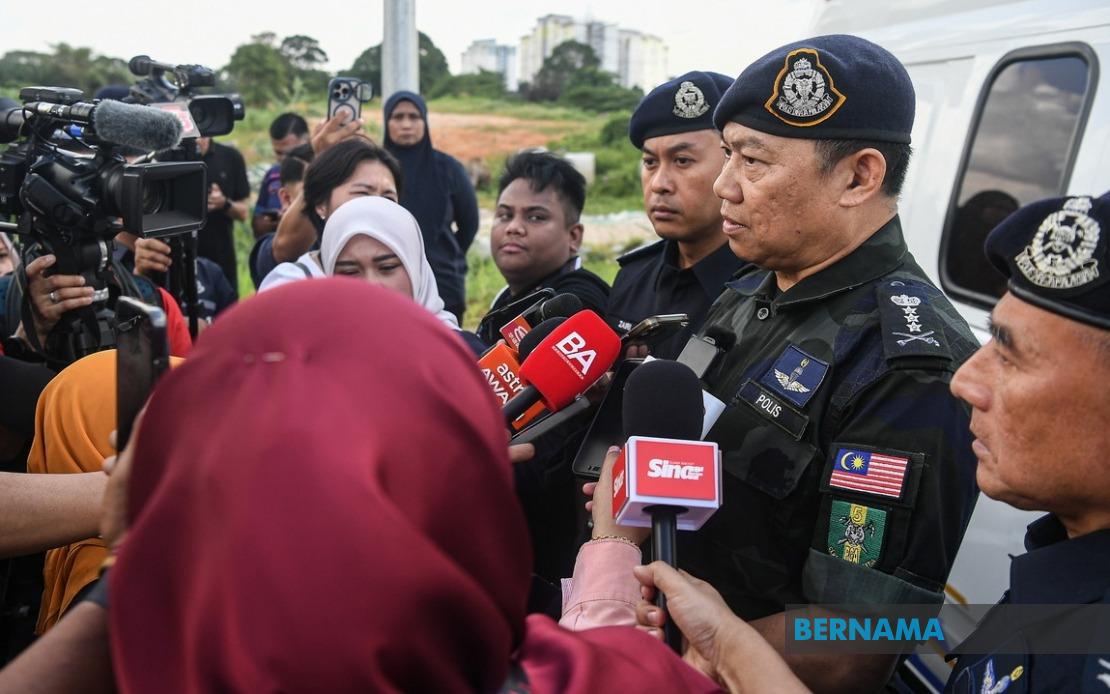
The nomination process for Johor's 16th state election unfolded without significant disruption across all 56 nomination centres on June 27, marking a peaceful beginning to what is expected to be a closely contested electoral battle in one of Malaysia's most politically significant states. Law enforcement officials reported no serious incidents or breaches of the peace during the day's proceedings, allowing candidates to formally register their candidacies in a controlled and orderly manner.
The Johor police force, under the direction of Datuk Ab Rahaman Arsad, marshalled an impressive security apparatus to oversee the nomination exercise. Approximately 4,832 police officers and personnel were stationed across the state to maintain order and respond swiftly to any potential disruptions. This substantial deployment underscores the authorities' commitment to safeguarding the electoral process and reflects the heightened sensitivities surrounding state elections in Malaysia, where political tensions can occasionally escalate during nomination periods. The sheer scale of the police presence served both as a deterrent against any unruly behaviour and as a reassurance to candidates and voters that the process would be conducted fairly and transparently.
Observations at specific nomination centres, such as Sekolah Menengah Kebangsaan Bandar Dato Onn in Johor Bahru where the Puteri Wangsa seat nominations took place, confirmed that procedures were being administered according to electoral guidelines. The absence of reported incidents suggests that political parties had either voluntarily exercised restraint or had adequately briefed their supporters on the importance of maintaining decorum during the nomination phase. The early success of the nomination process is significant because it sets the tone for the campaign period ahead and demonstrates the capacity of electoral institutions to manage large-scale political events professionally.
The Election Commission's timeline for the remainder of the electoral cycle has been clearly established, with July 7 designated for early voting and the main polling day scheduled for July 11. This compressed timeframe means that candidates will have only a brief window to conduct their campaign activities and connect with voters. The relatively short campaign period intensifies the importance of the nomination process itself, as candidates registered on June 27 can immediately begin organising their grassroots operations to maximise their visibility and messaging reach during these crucial weeks.
To date, the police have approved 26 campaign permits across Johor, with expectations that additional permits will be issued as political parties formalise their campaign schedules and venues. The permit system serves as an administrative mechanism to ensure that campaign activities are conducted in designated locations and times, preventing overlapping events that might create security challenges or public inconvenience. Political parties must balance their enthusiasm for campaign visibility with compliance to these regulatory requirements, a task that requires coordination between party machinery and local authorities.
Datuk Ab Rahaman's public reminder to all political contenders carries significant weight, particularly his emphasis on responsible campaigning and strict adherence to electoral laws and regulations. Malaysian election law contains detailed provisions regarding the conduct of campaign activities, including restrictions on the use of public funds, regulations on campaign materials, and guidelines on public gatherings. These legal frameworks, though sometimes viewed as constraining by parties seeking maximum campaign freedom, exist to ensure that the electoral process remains fair and accessible to all contenders regardless of their financial resources or organisational capacity.
The explicit warning against actions that could threaten public order reflects law enforcement's preparedness to intervene decisively should the campaign period witness any escalation of tensions between rival political factions. In Johor specifically, where the state government has historically been dominated by Barisan Nasional parties, the prospect of opposition challenges could generate passionate responses from both sides. Police have indicated they stand ready to manage any situation that arises, suggesting a proactive rather than reactive stance toward potential disturbances.
The successful completion of the nomination process without incident is encouraging for Malaysian democracy, demonstrating that electoral institutions and law enforcement can work effectively to facilitate the democratic process. However, the focus now shifts to the campaign phase, which historically presents greater challenges for maintaining order and preventing electoral malpractices. The weeks ahead will test whether the orderly conduct witnessed during nominations can be sustained throughout the campaign period and polling day itself.
For Malaysian political observers and international observers of Southeast Asian democratic practices, Johor's election represents a significant test case. As Malaysia's second-largest state and a traditional powerhouse in national politics, developments in Johor often have ripple effects across the broader political landscape. The state's electoral process therefore carries implications beyond Johor itself, potentially influencing calculations about the viability of various political coalitions and their capacity to mobilise voters effectively. The smooth nomination process provides a foundation, but the true measure of electoral integrity and democratic health will emerge only after voting concludes on July 11.

