%22%2F%3E%3C%2Fpattern%3E%3C%2Fdefs%3E%3Crect%20width%3D%22100%25%22%20height%3D%22100%25%22%20fill%3D%22url(%23ph4tdqlg)%22%2F%3E%3Crect%20width%3D%22100%25%22%20height%3D%22100%25%22%20fill%3D%22url(%23ph4tdqlp)%22%2F%3E%3Ctext%20x%3D%2250%25%22%20y%3D%2250%25%22%20text-anchor%3D%22middle%22%20dominant-baseline%3D%22central%22%20fill%3D%22rgba(255%2C255%2C255%2C0.95)%22%20font-family%3D%22Georgia%2C%20'Times%20New%20Roman'%2C%20serif%22%20font-weight%3D%22700%22%20font-size%3D%22272%22%20letter-spacing%3D%22-0.02em%22%3EJohor%3C%2Ftext%3E%3C%2Fsvg%3E)
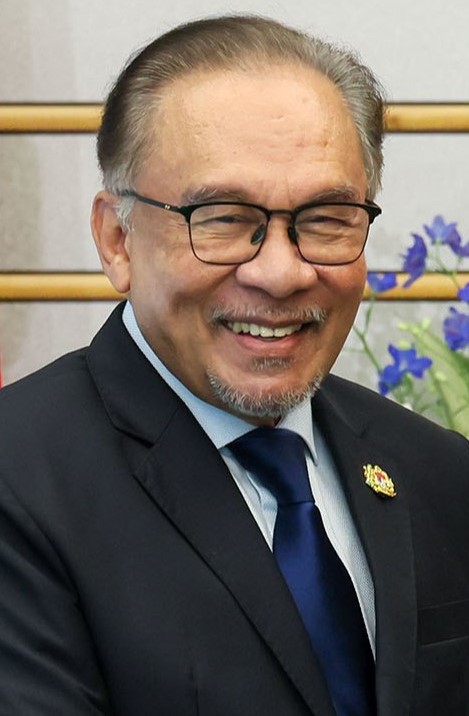
Prime Minister Datuk Seri Anwar Ibrahim was received by Johor's Regent, Tunku Mahkota Ismail, in a meeting that highlighted the continued alignment between Malaysia's federal government and one of the nation's most economically significant states. The audience, conducted in Kuala Lumpur, reflected the importance both leadership camps place on maintaining robust institutional ties at a time when coordinated governance across federal and state levels remains essential for national development.
The meeting carries particular significance given Johor's pivotal role in Malaysia's economic framework. As the country's southern anchor and a major industrial and manufacturing hub, the state's relationship with the federal administration directly influences investment flows, infrastructure development, and regional stability. The Regent's audience with the Prime Minister signals that despite the complexities inherent in Malaysia's federal system—where states maintain considerable autonomy—both camps remain committed to collaborative governance structures that benefit the broader national interest.
Tunku Mahkota Ismail's position as Regent places him at the apex of Johor's institutional hierarchy, combining ceremonial authority with significant political influence. His willingness to convene with the Prime Minister underscores the recognition that major policy decisions affecting the state frequently require coordination with federal agencies and resources. In Malaysia's constitutional framework, such formal audiences between state rulers and the Prime Minister serve as critical venues for addressing issues ranging from infrastructure funding to regulatory alignment.
The timing of this meeting reflects a broader pattern of engagement between the federal government and state administrations as Malaysia navigates post-pandemic recovery and longer-term economic transformation. Johor, in particular, faces opportunities and challenges in attracting foreign investment, managing urban growth in cities like Johor Bahru, and participating in regional connectivity projects that span the Straits of Johor into Singapore. The Regent's audience with Anwar suggests both sides are actively discussing frameworks to capitalize on these opportunities.
For Prime Minister Anwar's administration, maintaining strong relations with influential state leaders remains a cornerstone of political stability and policy effectiveness. Johor's significance extends beyond economics; the state has historically been a bellwether for national political sentiment and has considerable demographic weight within Malaysia's electoral system. Demonstrating a harmonious relationship with the Regent helps project an image of a federal government capable of building consensus across Malaysia's diverse political landscape.
The audience also arrives at a moment when Malaysia is reassessing its role in regional geopolitics and economic integration. Johor's proximity to Singapore and its position within emerging cross-border initiatives means that decisions made regarding the state's development trajectory can have ripple effects throughout Southeast Asia. When the Regent and Prime Minister align on strategic priorities, it facilitates smoother implementation of initiatives that might otherwise face coordination challenges between federal and state bureaucracies.
Institutional formality, while sometimes dismissed as ceremonial, carries real operational weight in Malaysian governance. The fact that Tunku Mahkota Ismail extended an audience to the Prime Minister—rather than a more informal bilateral meeting—suggests the discussions carried substance requiring the gravitas of formal protocol. Such ceremonial framing often precedes or accompanies announcements of collaborative frameworks, infrastructure commitments, or policy initiatives affecting the state.
The relationship between Putrajaya and Johor has evolved considerably through different political cycles and administrations. The current meeting demonstrates continuity in the institutional respect accorded to state rulers, regardless of shifting political coalitions at the federal level. This consistency provides reassurance to investors and development partners who depend on predictable governance arrangements. When federal and state authorities publicly affirm their partnership, it signals to the private sector that the regulatory environment remains stable and that major projects are unlikely to face sudden policy reversals due to institutional friction.
Looking forward, the implications of this meeting extend to several domains. Infrastructure development—particularly transportation links and port facilities critical to Johor's economic competitiveness—often requires federal funding or coordination. Additionally, regulatory harmonization in areas such as land use, environmental standards, and business licensing benefits from high-level federal-state alignment. The audience provides both leadership camps an opportunity to identify and resolve potential friction points before they escalate into broader governance challenges.
For Malaysian observers and regional stakeholders monitoring political stability and governance quality, such formal engagements between federal and state authorities serve as barometers of institutional health. The apparent cordiality and substance of this meeting reinforce perceptions that Malaysia's federal system, despite inherent tensions, remains functional and capable of accommodating diverse interests through established channels of dialogue and consensus-building. As the nation pursues economic diversification and navigates geopolitical shifts, the strength of federal-state relations will increasingly determine the success of coordinated national responses to shared challenges.