%22%2F%3E%3C%2Fpattern%3E%3C%2Fdefs%3E%3Crect%20width%3D%22100%25%22%20height%3D%22100%25%22%20fill%3D%22url(%23ph4qs76g)%22%2F%3E%3Crect%20width%3D%22100%25%22%20height%3D%22100%25%22%20fill%3D%22url(%23ph4qs76p)%22%2F%3E%3Ctext%20x%3D%2250%25%22%20y%3D%2250%25%22%20text-anchor%3D%22middle%22%20dominant-baseline%3D%22central%22%20fill%3D%22rgba(255%2C255%2C255%2C0.95)%22%20font-family%3D%22Georgia%2C%20'Times%20New%20Roman'%2C%20serif%22%20font-weight%3D%22700%22%20font-size%3D%22272%22%20letter-spacing%3D%22-0.02em%22%3EJohor%3C%2Ftext%3E%3C%2Fsvg%3E)
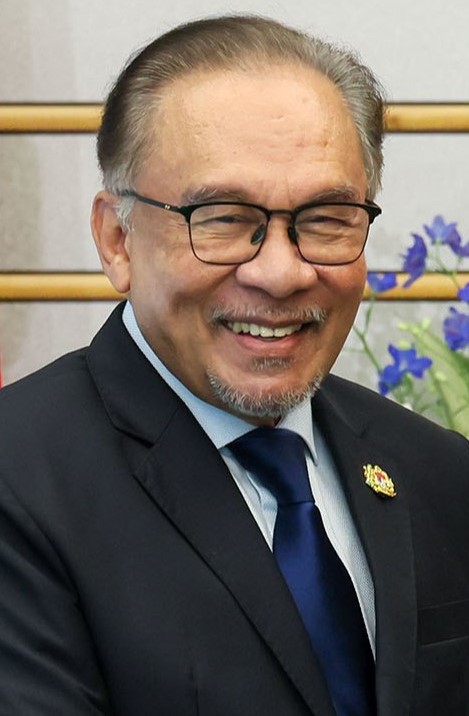
Prime Minister Datuk Seri Anwar Ibrahim asserted on June 23 that Johor has received significantly more in federal funding than it has remitted in taxes to Putrajaya, stating the differential amounts to RM16 billion. Speaking in Tangkak, Anwar positioned this financial flow as evidence of the Federal government's dedication to ensuring balanced growth across the nation and addressing regional economic disparities.
The assertion represents a key element of the government's messaging on fiscal federalism and redistribution mechanisms within Malaysia's economic framework. By quantifying the net transfer to Johor, Anwar sought to demonstrate that wealthier or more productive states do not bear a disproportionate burden through the federal taxation system. This framing becomes particularly relevant in a country where concerns about regional equity and the distribution of national resources frequently shape political discourse and electoral calculations.
Johor's economic profile makes it an important reference point in such discussions. As one of Malaysia's economically significant states with substantial commercial, industrial, and agricultural sectors, Johor generates considerable revenue for federal coffers. The Prime Minister's emphasis on the reverse flow of RM16 billion suggests the federal apparatus has committed substantial resources to state-level development, social programmes, and infrastructure initiatives that exceed the direct fiscal contributions the state makes through income tax, corporate tax, and other revenue sources collected by federal authorities.
The timing of these remarks carries strategic weight within Malaysia's political landscape. Johor holds considerable electoral influence and has historically been a battleground state in national elections. By highlighting federal investment in the state, Anwar positioned his administration as responsive to Johor's developmental needs and committed to inclusive growth policies. Such messaging often resonates with state electorates during election cycles, though it also carries implications for how other states perceive their own fiscal arrangements with the centre.
Federal-state fiscal relationships remain a contentious area in Malaysian politics. States with significant revenue bases sometimes contend they contribute disproportionately to national finances, while other states argue they receive insufficient federal allocations relative to their needs. The government's willingness to publicly articulate specific transfer figures to Johor suggests a conscious effort to reframe the debate around fairness and equitable distribution rather than allowing perceptions of regional favouritism to dominate political discourse.
The RM16 billion figure encompasses various transfer mechanisms through which the Federal government channels resources to states. These include development grants, operating expenditures for federal programmes administered at state level, infrastructure spending, and transfers through statutory bodies and federal agencies. The calculation methodology—determining what constitutes a "contribution" from Johor and what qualifies as a "return"—involves complex accounting that different stakeholders might dispute depending on which revenue sources and expenditure categories they include or exclude.
Understanding these fiscal flows matters considerably for Malaysian policymakers and regional observers. Southeast Asian nations frequently grapple with questions of how central governments should distribute resources across their territories, particularly when economic development concentrates in certain regions. Malaysia's approach to federal fiscal transfers influences how the country manages development disparities and maintains political cohesion across its diverse states and communities. The transparency or opacity with which governments communicate about these transfers affects public trust in federal institutions.
Anwar's statement also reflects broader economic policy priorities. The Federal government has emphasised inclusive growth and ensuring that development benefits extend beyond Kuala Lumpur and the most prosperous economic zones. By demonstrating that net flows to Johor exceed the state's direct contributions, the administration could argue it is implementing policies that prevent wealth concentration and promote regional stability. This aligns with development frameworks that prioritise reducing inter-regional economic gaps.
However, such arguments require careful contextualisation. Federal transfers serve purposes beyond pure redistribution—they fund services like national defence, foreign affairs, and federal police operations that benefit all states equally. Infrastructure investments may primarily serve inter-state commerce or national strategic objectives rather than local development. The allocation of transfer payments across states involves multiple considerations including population, development levels, and political factors that complicate simple contribution-versus-return calculations.
The implications for other Malaysian states warrant attention. If Johor received net transfers exceeding its contributions, this necessarily reflects where other states sit in the distribution equation. States with substantial manufacturing bases, financial services sectors, or natural resource endowments might perceive themselves as net contributors, potentially creating political tensions that governments must manage carefully. Anwar's public articulation of Johor's position could prompt scrutiny of arrangements with other states and demands for comparable transparency regarding their fiscal relationships with the federal government.
Looking forward, such fiscal claims will likely feature prominently in electoral campaigns and state-level political negotiations. Johor, despite its economic significance, has witnessed shifting political allegiances in recent years, making federal-state fiscal relationships an area where governments can demonstrate tangible commitment to regional prosperity. The RM16 billion figure provides a quantifiable narrative that politicians can deploy when seeking to build or maintain support in the state.
Beyond electoral considerations, transparent communication about federal transfers supports institutional legitimacy and public confidence in government budgeting processes. Citizens and elected officials benefit from clear information about how tax revenues are distributed and what developmental outcomes federal spending produces across different regions. As Malaysia continues navigating the tensions between national fiscal consolidation and regional equity objectives, such disclosures become increasingly important for informed democratic deliberation about resource allocation priorities.