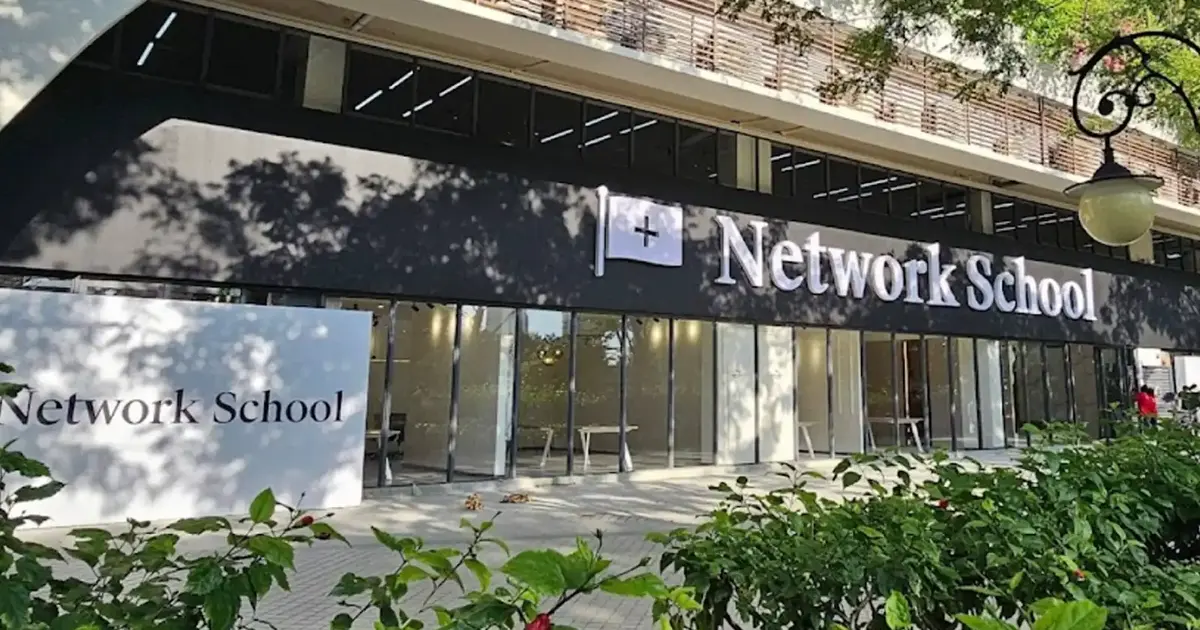
The Johor state government has escalated calls for a comprehensive federal probe into the Network School programme following allegations that Israeli citizens gained entry to the initiative through second-country passports. Menteri Besar Onn Hafiz Ghazi has formally requested that national authorities examine the circumstances surrounding these claims, signalling the state's determination to address what officials view as a potential breach of security protocols.
The Network School initiative, designed to develop Malaysia's educational capacity and student exchange programmes, has come under scrutiny over its vetting procedures and participant background checks. The allegations, if substantiated, would suggest significant lapses in the screening mechanisms intended to vet programme participants before their acceptance. Such oversights carry implications for Malaysia's broader international relations and domestic security frameworks, particularly given Malaysia's long-standing diplomatic stance on Middle Eastern geopolitics.
Onn Hafiz's intervention reflects broader concerns within the Johor administration about institutional accountability and the rigour of verification processes for programmes involving foreign nationals. The Menteri Besar's public position signals that state authorities view the matter with sufficient gravity to warrant escalation beyond state-level administrative channels to federal security and education agencies. This approach underscores the seriousness with which Johor is treating the allegations rather than attempting internal resolution.
The use of alternative passports to circumvent standard diplomatic or nationality-based entry restrictions represents a particularly sensitive issue within Malaysia's governance context. Such methods, if confirmed, would indicate either deliberate deception by programme participants or systematic failures in identity verification procedures. Either scenario raises troubling questions about the institutions responsible for participant screening and the adequacy of their security protocols.
Malaysia's foreign policy position historically emphasises Palestinian solidarity and maintains critical perspectives on Israeli government actions, making any involvement of Israeli nationals in state-sponsored educational programmes a matter of significant political sensitivity. The allegations therefore carry dimensions beyond simple administrative oversight, touching on matters of national interest and government consistency in international affairs. State leadership cannot afford to dismiss such concerns without thorough investigation.
The Network School's reputation and future viability may depend substantially on how thoroughly and transparently these allegations are addressed. Educational programmes involving international participation require public confidence in their integrity and security measures. An investigation conducted by federal authorities would carry greater credibility with both domestic stakeholders and international partners than localised administrative reviews. The scale and institutional weight of the inquiry therefore matter considerably to programme legitimacy.
For Malaysian educational institutions generally, this incident highlights the need for strengthened vetting infrastructure when engaging with international participants. Universities and educational programmes increasingly operate within globalised contexts, but global openness must be balanced against security and policy coherence considerations. Federal authorities will likely use this case to reassess screening standards across the broader educational exchange landscape.
The incident also reflects broader tensions in how Malaysia navigates international engagement, particularly in fields like education where cultural and diplomatic dimensions intersect. Educational programmes serve functions beyond knowledge transfer; they constitute soft power instruments and reflect governmental priorities and values. When the selection of participants undermines stated policy positions, it creates internal contradictions that damage institutional credibility.
Onn Hafiz's call for federal investigation suggests that Johor leadership views resolution at the state level as insufficient. Engaging federal authorities, particularly those responsible for security and foreign affairs, signals that the matter extends beyond educational administration into territory requiring national security expertise. This escalation indicates that officials believe the allegations warrant scrutiny at the highest levels of administrative authority.
The investigation, once initiated, will likely examine multiple dimensions including how Israeli nationals obtained alternative passports if the allegations prove accurate, which institutions or individuals facilitated their participation, what vetting procedures existed and how they were circumvented, and whether other foreign nationals similarly bypassed standard screening processes. Federal investigators will need to establish both the factual basis for allegations and the systemic failures that permitted such circumstances to develop.
For Southeast Asian observers, this situation underscores the importance of robust governance frameworks for international educational exchanges. As the region increasingly attracts global educational initiatives and partnerships, institutions across Malaysia and neighbouring states must strengthen verification procedures and institutional oversight. The Network School case provides a cautionary lesson about the consequences of insufficient diligence in participant selection and identity verification.
Resolving the matter expeditiously and transparently serves multiple interests. It protects Malaysia's international reputation and demonstrates government commitment to security and policy consistency. It restores confidence in educational institutions and their management practices. It also signals to other states and international actors that Malaysia takes seriously the integrity of programmes operated within its borders and the verification of participant identities and backgrounds.

