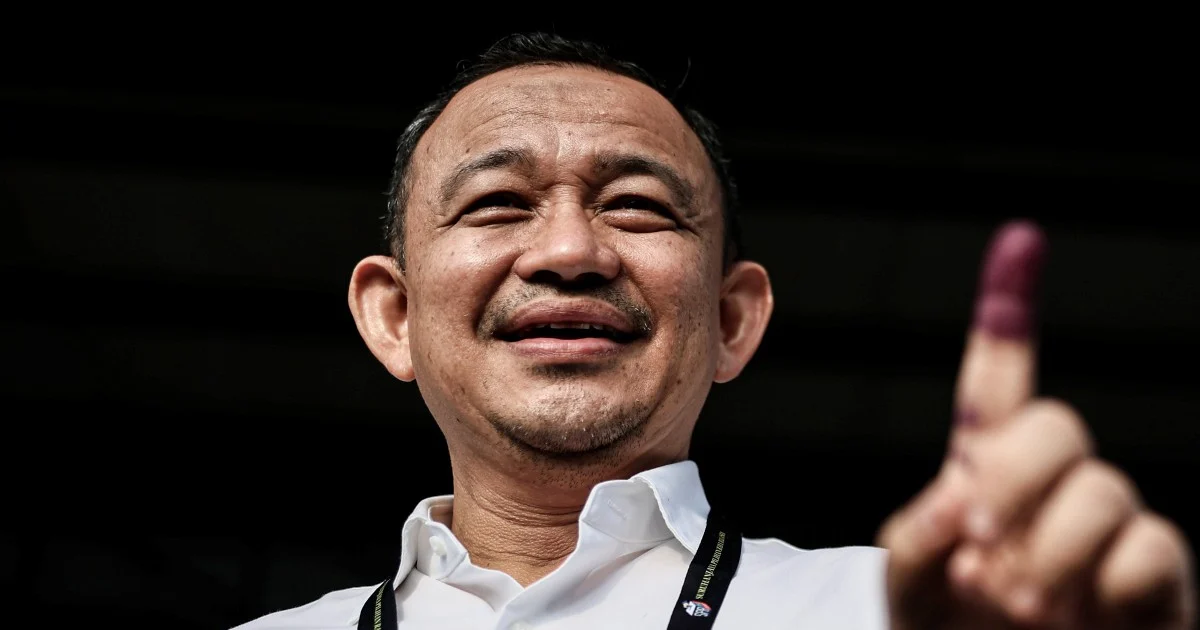
The Johor state election is shaping up as a pivotal contest that could reshape the political landscape in Malaysia's southern powerhouse, with early indications suggesting a mixed outcome for the opposition coalition. Dr Maszlee Malik, the former education minister who has maintained a prominent public profile despite political setbacks in recent years, appears positioned to secure victory in the Puteri Wangsa state seat for PKR, the dominant component of Pakatan Harapan. This would represent a breakthrough for the party in Johor's electoral arena, a state that has long resisted opposition gains and remained a BN stronghold even during the 2018 federal election triumph that saw PH sweep to power nationally.
The apparent success in Puteri Wangsa carries symbolic weight beyond the single seat. For PKR, it signals the party's ability to penetrate voter sentiment in a traditionally conservative state and validate organisational efforts that have been sustained despite setbacks in peninsular politics. The Johor electorate, comprising more than 2.8 million registered voters distributed across multiple state constituencies, has historically favoured stability and continuity, making any gains for an opposition coalition noteworthy. Maszlee's personal standing as a former cabinet minister likely contributed to his candidacy being taken seriously by voters who might otherwise have defaulted to BN's institutional advantages.
However, the overall picture emerging from preliminary results presents a more sobering narrative for Pakatan Harapan as a whole. Barisan Nasional's penetration into constituencies previously considered secure for the opposition suggests a realignment of voter preferences or tactical shifts in electoral strategy. Several state seats that have been represented by PH MPs or state representatives now show BN making competitive showings, indicating that the coalition's 2018 electoral advantage has substantially eroded. This development carries implications extending well beyond Johor, as the state represents a crucial test case for understanding how federal politics may evolve in coming years.
The Johor election itself has taken on heightened significance given the state's economic importance and its role as a bellwether for peninsular electoral trends. Home to major manufacturing, petrochemical, and port operations, Johor's governance directly affects economic performance across the nation. The state government's administration of fiscal resources and infrastructure development influences investor confidence not merely in Johor but across Southeast Asia's southern corridor. A conclusive BN victory or a hung legislature would produce markedly different policy trajectories and governance approaches.
For Barisan Nasional, success in breaching traditional PH strongholds validates the coalition's strategic repositioning following the 2020 backdoor takeover of federal power and subsequent consolidation at the state level. The coalition has invested significantly in organisational renewal and messaging that emphasises stability and administrative competence. If these efforts translate into genuine voter support rather than merely tactical voting, it would indicate that the broad coalitional approach centring on UMNO, MCA, and other component parties retains substantive appeal in the electorate. The Johor results would provide crucial data points for assessing whether BN can sustain momentum heading into future electoral contests.
The specific dynamics in Puteri Wangsa merit closer examination given Maszlee's particular trajectory. His departure from PKR's leadership positions and his subsequent return to electoral contestation represent a calculated bet that his administrative experience and educational policy credentials would resonate with constituents. The seat encompasses both urban and suburban areas with mixed demographics, suggesting that Maszlee's campaign successfully negotiated differing voter concerns rather than pursuing a narrow sectional appeal. His victory, should it materialise, would likely enhance his profile within PKR and potentially position him for renewed influence within the party hierarchy.
Beyond the individual seat outcomes, the Johor election reflects broader regional patterns in Malaysian electoral behaviour. Southeast Asian democracies have witnessed recurring cycles of coalition consolidation and fragmentation, with voter sentiment shifting in response to economic conditions, governance performance, and political messaging. Johor's 2023 election occurs against a backdrop of persistent cost-of-living pressures affecting households nationwide, inflation concerns that typically favour incumbent governments, and ongoing questions about the ruling coalition's capacity to deliver tangible improvements in citizens' circumstances.
The preliminary results also underscore the continued importance of state-level politics within Malaysia's federal system. While national headlines often dominate political coverage, state governments exercise substantial authority over education delivery, healthcare administration, land use policies, and urban development. The Johor electorate's choices directly determine which party will control these levers of governance for the coming legislative term. This devolved authority structure means that voting patterns at the state level cannot be dismissed as mere reflections of federal sentiment but rather represent genuine assessments of governance alternatives.
For Malaysian political observers and regional analysts, the Johor election results offer instructive lessons about the resilience of established coalitions and the persistent challenges facing opposition forces attempting to break through structural disadvantages. That Maszlee appears positioned to deliver PKR even a single victory in such an environment demonstrates both the difficulty of the PH project and the party's capacity to identify and mobilise support in carefully selected constituencies. Whether BN's apparent gains across other seats reflect genuine voter realignment or tactical voting patterns will require sustained analysis of emerging data and subsequent political developments.

