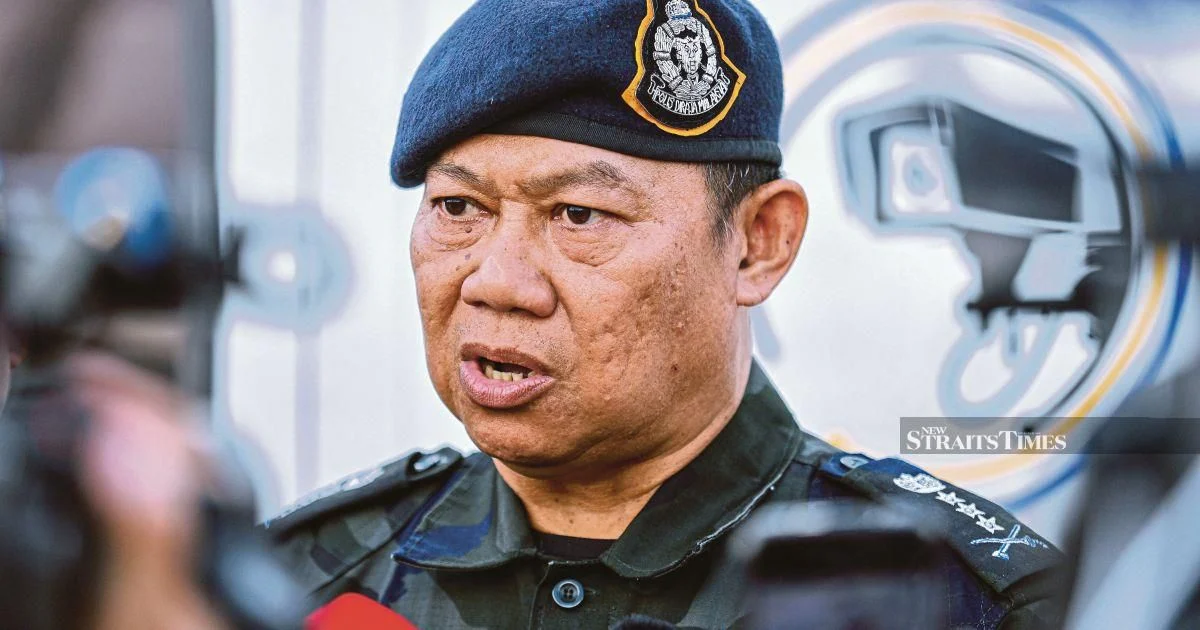
Election authorities in Johor have moved swiftly to investigate potential irregularities in the poll process, with state police establishing three separate investigation files based on complaints received following the commencement of nomination proceedings. This action underscores the law enforcement agency's commitment to maintaining the integrity of the electoral process across the southern Malaysian state, a region known for its significant political significance and electoral competitiveness.
The decision to investigate three of the seven reported incidents reflects a proportionate and measured response by police, who must balance the need to address genuine concerns about campaign violations while avoiding overzealous intervention that could undermine public confidence in the fairness of the electoral process. The selective advancement of cases to full investigation status suggests that police commanders assessed the initial complaints against established criteria for potential breaches of electoral law and conduct regulations.
For Malaysian voters and political observers, the activation of these investigation files carries multiple implications. It demonstrates that state authorities are actively monitoring electoral activities rather than adopting a passive posture, which could provide assurance to citizens concerned about poll integrity. Simultaneously, it signals that the machinery for investigating electoral offences remains operationalised and accessible to the public, a critical safeguard in any democratic system where complaints about candidate behaviour or campaign conduct must be taken seriously.
The nature of the four reports that did not proceed to investigation remains undisclosed, though several categories of election-related complaints typically trigger police response: alleged bribery or inducements offered to voters, unlawful campaigning activities, threats or intimidation directed at candidates or supporters, and misuse of government resources for campaign purposes. Without knowing specifics, observers can reasonably infer that the three cases advancing to investigation status contained sufficient prima facie evidence of potential wrongdoing to warrant formal inquiry.
The timing of these investigations—occurring during the nomination phase rather than after voting concludes—represents an important dynamic in Malaysia's election oversight framework. Early intervention by authorities allows for potential corrective action before violations can become entrenched or spread, though it also creates opportunities for politically motivated complaints to be weaponised if not handled with procedural rigour and impartiality.
From a regional perspective, Johor's approach reflects broader patterns across Southeast Asia where democracies grapple with maintaining electoral credibility while managing the realities of competitive politics. The state's willingness to investigate complaints demonstrates institutional maturity, distinguishing it from contexts where election irregularities go unexamined or where security forces become instruments of political suppression rather than neutral arbiters.
For candidates and campaign teams, the activation of these investigations carries cautionary implications. Political operatives must exercise heightened discipline in their activities, recognising that authorities are actively scrutinising conduct. This surveillance effect, if applied consistently and impartially, can elevate overall standards of campaign behaviour across competing parties and candidates, though asymmetrical investigation patterns would raise concerns about political bias in law enforcement.
The volume of complaints—seven reports during the nomination period—provides insight into the intensity of electoral contestation in Johor. This level of complaint activity suggests either heightened vigilance from the public and party watchers, or alternatively, greater prevalence of potentially objectionable campaign practices. Without comparative data from previous elections, the significance of seven reports remains difficult to assess contextually.
Police efficacy in pursuing these investigations will prove crucial for public perception of electoral legitimacy. Investigations that conclude swiftly yet appear thorough tend to reinforce public confidence, whereas prolonged inquiries that seem to languish or produce surprising exonerations can fuel suspicions of political interference or incompetence. The burden falls on law enforcement to conduct investigations with transparency and professionalism, releasing findings and rationales that help the public understand investigative outcomes.
The broader electoral environment in Johor, often characterised by intense multi-party competition and significant voter engagement, creates conditions where allegations of improper conduct become more frequent. The state's economic importance and large population ensure that election outcomes carry significant political consequences, potentially incentivising both more aggressive campaign practices and more vigilant monitoring by rivals.
Moving forward, the trajectory of these three investigations will likely influence campaign behaviour among remaining candidates, whose operatives will factor legal risk into their strategic decision-making. If prosecutions result and penalties prove meaningful, deterrent effects could shape conduct patterns in future Johor polls. Conversely, if investigations conclude without charges or result in acquittals, such outcomes might signal greater tolerance for borderline campaign activities.
The investigation framework itself reflects Malaysia's effort to maintain electoral systems capable of accommodating political competition while preserving democratic principles. Although imperfect, the willingness of authorities to investigate complaints—and the availability of formal mechanisms to do so—distinguishes functioning electoral systems from those where irregularities proceed unchecked or where security forces become tools of partisan advantage rather than impartial institutions.

