Johor's police force has cleared the way for the overwhelming majority of campaign activities in the run-up to the 16th state election, approving 4,053 permit applications from an initial pool of 4,368 submissions filed between June 27 and July 8. The decision reflects a largely permissive regulatory environment during this critical phase of the electoral process, though it has been accompanied by a parallel enforcement effort targeting various breaches of election law.
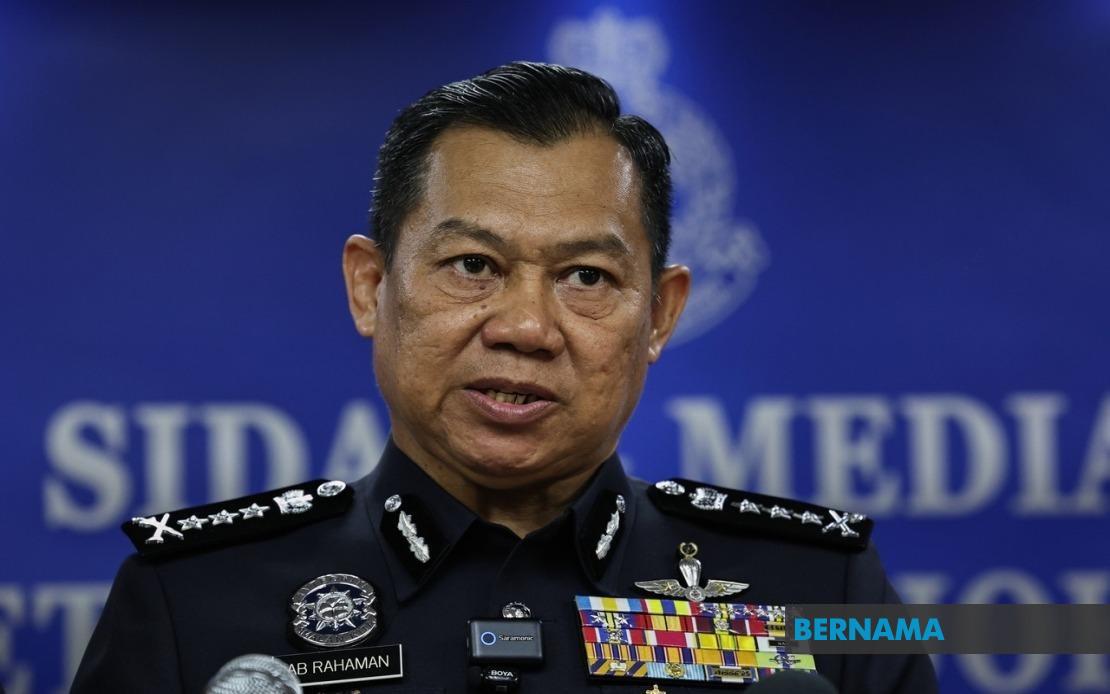
According to Johor police chief Datuk Ab Rahaman Arsad, the accelerated approval rate in the final stretch of the screening period underscores the intensity of campaigning activity. In just the last two days of the assessment window, between July 7 and 8, police received 884 fresh applications and approved 838 of them after verification that they satisfied statutory conditions. This surge reflects the typical pattern seen in state elections as nomination periods close and political parties race to maximise their ground presence before polling day.
The high approval rate—approximately 93 per cent of total applications—suggests that the vast majority of political organisations and candidates have been compliant with procedural requirements when organising public rallies, talks, and related campaign events. The police chief's statement that the security and public order situation has remained under control throughout the election process provides reassurance to voters and election observers that the electoral environment remains stable despite the intensity of political activity on the ground.
However, beneath this surface of broad approval runs a sustained enforcement operation. Police have simultaneously been documenting and investigating violations of electoral law. Between July 7 and 8 alone, authorities received 17 reports of suspected electoral offences and initiated four separate investigation papers. One of these pertains to alleged promotion of ill will or hostility under Section 4A(1) of the Election Offences Act 1954, a provision designed to prevent campaigns that exploit communal sensitivities or incite division along religious or ethnic lines.
The other three investigation papers filed during this two-day period reveal the breadth of law enforcement concerns. Two were opened under Section 427 of the Penal Code for alleged mischief causing property damage—a category that likely encompasses destruction of rival campaign materials or unauthorised defacement of public spaces. One additional case was registered under Section 500 of the Penal Code combined with Section 233 of the Communications and Multimedia Act 1998, targeting alleged defamation and misuse of online platforms, reflecting growing police attention to false claims and inflammatory content disseminated through digital channels during elections.
Over the entire monitoring period from June 27 through July 8, the cumulative picture shows 73 reports lodged and 22 investigation papers opened into election offences. This translates to an average of roughly three investigation papers per day across the state, indicating that while the Johor police have maintained a permissive stance on legitimate campaign activities, they have also been systematically documenting potential breaches. The distribution of charges across multiple legal provisions demonstrates that election violations span traditional categories such as property damage, public incitement, and defamation, as well as newer concerns around digital misconduct.
The enforcement strategy articulated by the police chief emphasises that violations will be handled with firmness, fairness, and integrity, without compromise. This formulation suggests a commitment to even-handed application of electoral law regardless of which party or candidate is implicated. The challenge facing any law enforcement agency during elections is maintaining public confidence that enforcement is impartial, particularly in a polarised political environment where accusations of partisan bias can undermine the legitimacy of the electoral process itself.
For Malaysian observers and regional analysts, the Johor election serves as a barometer of how state-level elections function within Malaysia's federal framework. The strong approval rate for campaign permits reflects constitutional protections for political speech and assembly, while the parallel investigation programme shows that these freedoms operate within defined legal boundaries. The focus on defamation and online misconduct indicates that Malaysian election authorities are actively grappling with 21st-century campaign challenges, where social media amplifies both authentic political messaging and deliberate disinformation.
The 16th Johor state election holds significance beyond the state itself. As one of Malaysia's largest and most politically competitive states, Johor's electoral dynamics influence national political calculations. The campaign environment documented by police—with thousands of approved events but also documented investigations—reflects the intense political competition that characterises Malaysian democracy at the state level. The ability of the police to maintain order while permitting robust political activity demonstrates the resilience of Malaysia's electoral institutions, though the volume of reported offences also signals ongoing challenges in maintaining campaign conduct standards.
Looking ahead, the final stages of campaigning will likely see both continued high volumes of campaign activity and sustained police monitoring. The pattern established in early July suggests that election officials across Malaysia will need to balance enabling political participation with enforcing electoral law. For voters in Johor and across Southeast Asia observing Malaysia's democratic processes, the police performance metrics released during this election cycle offer partial transparency into how state institutions manage the inherent tensions between freedom and order during competitive elections. The challenge facing Malaysian authorities remains ensuring that both approval and enforcement processes serve the larger goal of fair, orderly, and credible elections.

