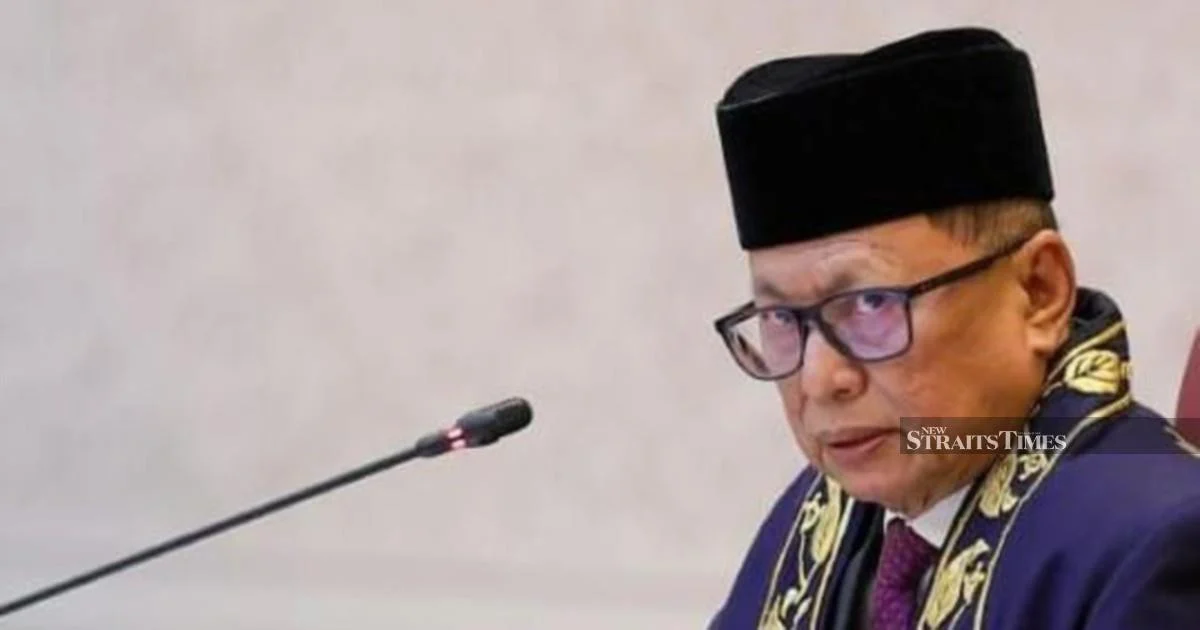
Johor PKR intensified political tensions in the southern state by publicly challenging former Umno supreme council member Datuk Dr Mohd Puad Zarkashi to produce concrete evidence supporting his assertions of palace involvement in state affairs. The challenge, issued in Pontian, signals growing scrutiny of allegations that have circulated in political circles regarding institutional interference in Johor's governance structures.
Puad's remarks about royal involvement have become a focal point in ongoing political discourse within Malaysia's most economically significant state. His previous statements, made without accompanying documentation or specifics, have prompted PKR to demand transparency and substantiation. This confrontation reflects broader tensions between Umno and the opposition coalition regarding the narratives surrounding Johor's political trajectory and institutional relationships.
The dispute carries significant implications for Malaysian politics beyond Johor's borders. Allegations concerning palace involvement in state administration touch on constitutional matters that remain deeply sensitive across the federation. Any credible evidence of institutional overreach would have consequences for how state governments operate and their relationship with royal institutions. Conversely, unsubstantiated claims risk damaging public confidence in political discourse and institutional integrity.
For Malaysian readers, this disagreement exemplifies how different political actors deploy institutional narratives to advance their positions. Umno, seeking to regain influence in a state where it has faced electoral reversals, may be attempting to reframe recent political outcomes through institutional explanations rather than acknowledging electoral preferences or organisational shortcomings. PKR's insistence on evidence-based claims suggests an attempt to establish greater accountability in political messaging.
The Johor context itself remains strategically vital for understanding Malaysian politics. As the nation's gateway region and an economic powerhouse, Johor's governance and political stability influence national trajectories. The state has experienced significant political realignments in recent electoral cycles, with leadership transitions that have altered traditional power distributions. These changes have occasionally been attributed to various institutional pressures, yet clarity regarding such claims remains limited.
Puad's position as a former member of Umno's supreme council gives his statements a certain weight within party circles, though his influence appears diminished from his earlier prominence. His allegations may reflect internal Umno perspectives on how the party lost ground in Johor, but without substantiation, such claims remain in the realm of political assertion rather than documented fact. PKR's challenge essentially calls for accountability in the political discourse, demanding that serious allegations meet evidentiary thresholds before gaining wider currency.
The constitutional relationship between state rulers and elected governments in Malaysia exists within carefully delineated parameters. While sultans possess significant ceremonial, cultural, and certain administrative authority, their involvement in day-to-day governance is constitutionally limited. Any genuine interference in state politics would represent a departure from established conventions. Understanding whether Puad's claims refer to allegations of unconstitutional interference or merely to legitimate constitutional functions becomes essential for evaluating the seriousness of his assertions.
Regional observers viewing Malaysian politics note that such disputes frequently reflect internal power struggles being articulated through institutional frameworks. Attributing political outcomes to palace interference can serve multiple rhetorical purposes—it may excuse electoral losses, elevate the importance of certain actors, or suggest that institutional factors beyond party control determined outcomes. Separating legitimate institutional concerns from tactical political positioning requires precisely the kind of evidence that PKR now demands.
The broader challenge for Malaysian political discourse involves establishing norms whereby institutional allegations receive serious consideration only when accompanied by specific, verifiable details. Political parties across Malaysia's spectrum have occasionally made sweeping assertions about interference and manipulation without providing supporting evidence. This culture of unsubstantiated claims erodes public trust in institutions while simultaneously diminishing the credibility of situations where genuine institutional concerns may warrant serious discussion.
For Johor specifically, clarity regarding state governance and institutional relationships matters considerably. The state faces significant developmental challenges, infrastructure needs, and economic management questions that demand focus from elected leadership. If institutional tensions or unclear authority relationships are genuinely affecting governance capacity, these should be addressed through established constitutional mechanisms and transparent processes rather than through public allegations lacking evidentiary support.
The challenge issued by Johor PKR may ultimately serve an important function in establishing higher standards for political claims. Should other parties feel emboldened to demand evidence for significant allegations, Malaysian political discourse could gradually shift toward greater accountability and specificity. Conversely, if Puad's claims prove substantive but currently lack documentation, his response to PKR's challenge could illuminate genuine governance issues requiring institutional attention and reform.

