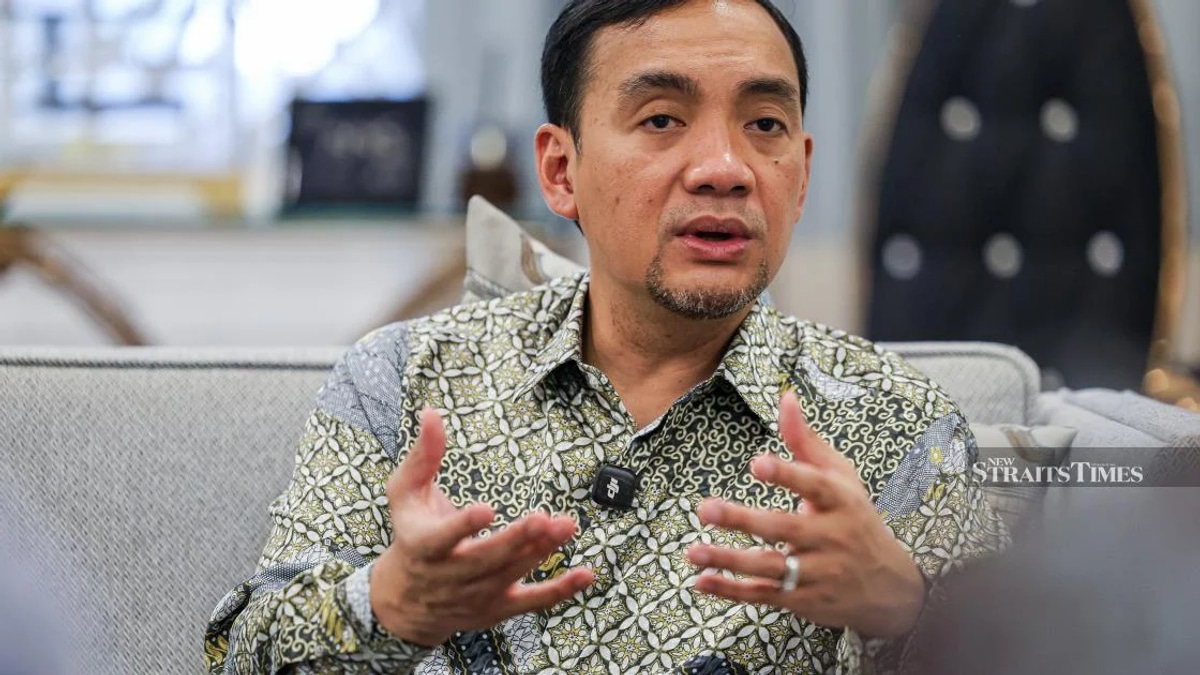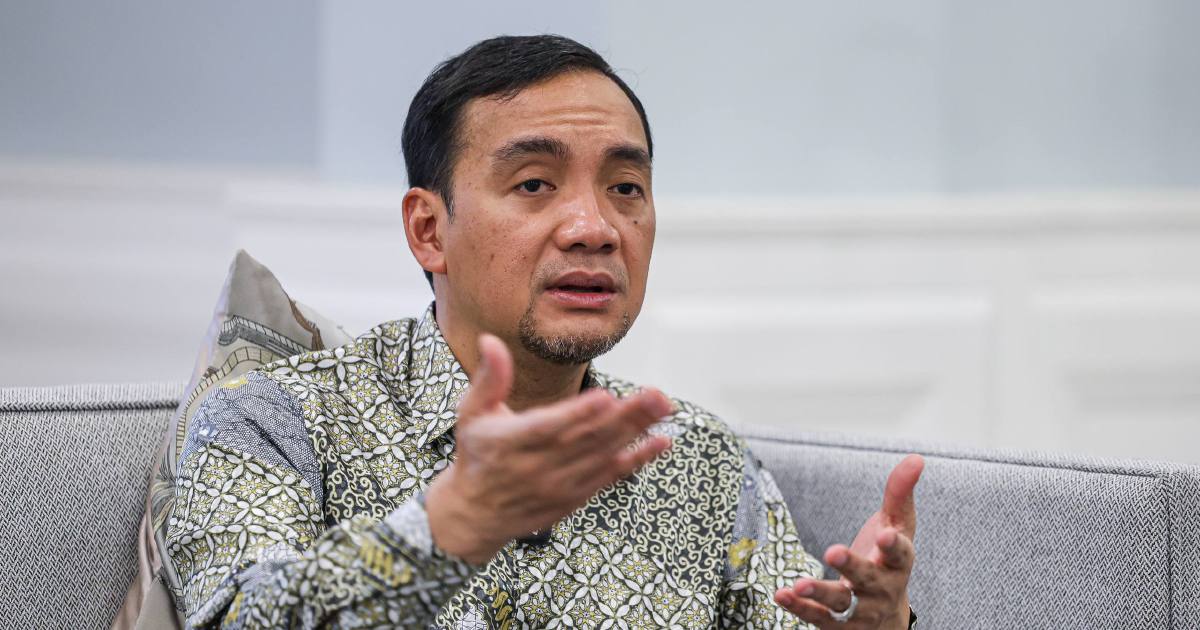
The Malaysian monarchy has weighed in on the tone of electoral politics in Johor, with both Sultan Ibrahim and Tunku Mahkota Ismail calling for politicians to exercise restraint and decorum during the state election campaign. Johor Barisan Nasional chairman Datuk Onn Hafiz Ghazi conveyed this message from the palace, signalling that the royal institution expects candidates and party representatives to elevate the standard of political discourse in the coming months.
The intervention from the palace reflects growing concern about the deteriorating quality of campaign conduct across Malaysian electoral contests. Personal attacks, inflammatory rhetoric, and uncivil exchanges have become increasingly common features of political campaigns at federal and state levels, often overshadowing substantive policy debates and alienating voters who prefer to hear about governance platforms and development plans rather than character assassinations and partisan mudslinging.
Johor's royal family holds particular influence in state politics, given the constitutional role of the Sultan as head of state and the Tunku Mahkota's position as heir apparent. When the palace issues such guidance, it carries significant weight among both political leaders and the general public, who respect the monarchy's position as a stabilising institution above partisan interests. The message effectively sets expectations for how politicians should conduct themselves during one of the state's most important democratic exercises.
The caution against personal attacks is particularly pertinent in Malaysian politics, where social media and digital platforms have amplified the reach and velocity of inflammatory statements. A single derogatory comment can spread across networks within minutes, damaging reputations and inflaming communal sensitivities. By urging civility, the palace is indirectly encouraging politicians to rely on substantive arguments, policy comparisons, and track records rather than character assassination as campaign tools.
For Johor specifically, maintaining campaign civility carries additional significance given the state's multi-ethnic and multi-religious composition. Electoral campaigns that descend into uncivil territory risk touching on sensitive communal issues, potentially affecting social cohesion beyond the election period itself. The palace's intervention can help ensure that political competition remains focused on governance and development rather than deepening communal divides or creating lasting resentment among different groups.
Onn Hafiz's role in relaying this message is notable. As Barisan Nasional chairman in Johor, he represents the coalition that has dominated state politics for decades. By publicly acknowledging the palace's concerns, BN demonstrates respect for the institution while positioning itself as the party of order and responsibility, a messaging strategy that appeals to voters who value stability and institutional harmony.
However, the palace's call also implicitly applies pressure on all political parties contesting in Johor, not merely BN. Opposition parties will face similar expectations to maintain dignified and civil conduct, with any perception of crossing that line potentially attracting criticism from the same institutions and the public. This creates a shared standard that transcends partisan lines, though enforcement necessarily depends on political actors' willingness to self-regulate.
The timing of this message suggests the palace is being proactive rather than reactive to specific incidents. By establishing expectations early in the campaign period, the royal institution aims to set the tone from the outset and prevent a deterioration of conduct that becomes harder to reverse as electoral temperatures rise. This preventive approach is more effective than admonishing politicians only after unacceptable behaviour has already occurred and potentially caused damage.
For Malaysian voters, particularly those in Johor, such palace guidance serves a useful function in reminding political elites of their responsibility to the democratic process. Elections are meant to offer citizens genuine choices based on competing visions and track records, not popularity contests decided by who can deliver the most cutting insult. When the palace reinforces this principle, it validates voter expectations for higher standards and provides grounds for citizens to hold candidates accountable if conduct falls short.
The broader context of Malaysian politics suggests this reminder was timely. Recent electoral campaigns, including at the federal level, have occasionally veered into territory that observers of democratic norms consider problematic. The palace's intervention in Johor may serve as a signal to political leaders nationwide that institutions expect improved conduct, even if the immediate focus is on a single state election.
Moving forward, observers will watch whether this palace guidance translates into actual behavioural changes on the campaign trail. The true measure of its effectiveness will be evident in the tone and content of campaign speeches, social media posts, and media statements as the election draws nearer. Should politicians largely heed the call, Johor voters may experience a more substantive and respectful electoral contest. If conduct deteriorates despite the warning, the palace's intervention will have failed to achieve its stated objective, potentially prompting further institutional commentary on democratic standards.