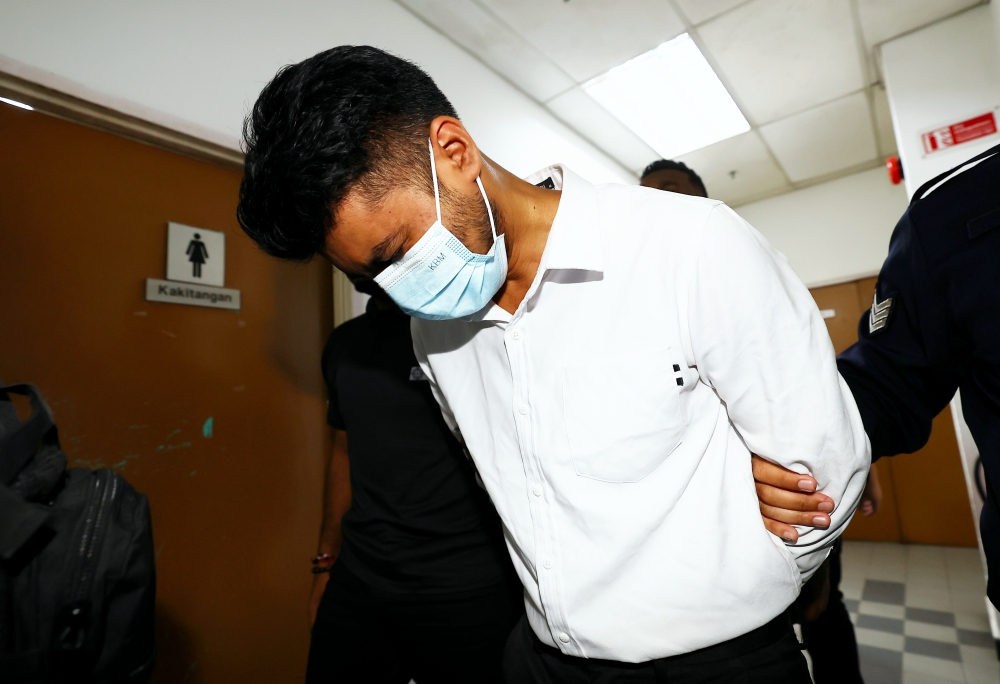
A 40-year-old customer service officer from Johor Bahru has been charged in the Magistrate's Court with murder stemming from the death of an 18-month-old child, in a case that lay dormant for three years before authorities reclassified the incident. The dramatic shift in the investigation's direction highlights the complexity of child death investigations and raises questions about initial forensic assessments and the timeline for prosecutorial action in such sensitive cases.
The prosecution presented evidence suggesting the child's death, which occurred years earlier, should not have been categorised as resulting from natural causes. The delay between the incident and formal charges underscores challenges that Malaysian law enforcement sometimes faces when investigating fatalities involving very young children, where determining intent and establishing cause of death requires meticulous examination and expert testimony. The reclassification came after what authorities described as additional investigative findings that contradicted earlier determinations.
Cases involving child fatalities typically attract intense scrutiny from social welfare agencies, medical examiners, and the public, particularly when circumstances surrounding death are unclear or contested. In this instance, the three-year interval between the initial incident and the murder charge suggests that investigators may have required extended time to gather evidence, obtain expert opinions, or respond to new information that emerged during ongoing inquiries. Such delays can complicate prosecutions, as memories fade and evidence deteriorates, though in this case the authorities proceeded with charges nonetheless.
For Malaysian readers and policymakers, this case illustrates the importance of thorough initial investigations into child deaths, where preliminary assessments can significantly influence subsequent legal outcomes. The distinction between natural death, accident, and intentional harm requires expertise that combines paediatric medicine, pathology, and forensic science. When initial conclusions prove incorrect, they can result in years of delayed justice for victims' families and pose challenges for the criminal justice system when eventually pursuing charges.
The Johor Bahru case also reflects broader patterns in Malaysian child protection where cases occasionally surface involving delays in formal action. Stakeholders including the Department of Social Welfare, the Malaysian Medical Council, and the Attorney General's Chambers have periodically reviewed protocols to strengthen coordination between medical professionals and law enforcement in investigating suspicious child deaths. Improved communication channels and clearer guidelines for when cases should be re-examined can reduce investigative bottlenecks.
From a legal perspective, the defendant's presumption of innocence remains paramount as the case progresses through the courts. The burden of proof in murder charges remains with the prosecution, which must establish beyond reasonable doubt that the accused committed the act with intent. Defence arguments may challenge the reclassification itself, the evidence underpinning the new determination, or the adequacy of investigation procedures. The proceedings will likely involve expert testimony regarding the child's condition and the medical conclusions drawn.
Regionally, Malaysia's experience with child death investigations reflects challenges common across Southeast Asia, where resource constraints and varying levels of forensic expertise can affect the quality and speed of investigations. Regional cooperation through ASEAN mechanisms and bilateral agreements has gradually improved capacity-building in forensic sciences and investigative techniques. Countries including Singapore, Thailand, and the Philippines have similarly grappled with cases where initial death classifications were later revised, prompting systemic reviews of investigative protocols.
The case raises practical questions about how long authorities should pursue investigations before closing files on child deaths, and at what point new evidence should trigger formal reconsideration. Malaysian law allows for charges to be brought within specified timeframes depending on the offence category, though circumstances may enable investigations to remain open longer than typical criminal matters. This flexibility can serve justice but also requires careful management to prevent unreasonable delays that compromise fair trial rights.
For Johor residents and Malaysian society more broadly, cases involving child fatalities underscore the critical importance of rigorous child protection systems. Medical professionals, educators, childcare providers, and community members play roles in identifying warning signs of abuse or neglect. Strengthening reporting mechanisms and ensuring that concerning cases receive prompt, expert attention can potentially prevent tragedies and support earlier intervention when children are at risk.
The Magistrate's Court will likely set a date for mention or trial as the legal process unfolds. If the case proceeds to higher courts, it may establish important precedents regarding how Malaysian authorities handle reclassifications of historic child deaths and the evidentiary standards required to support murder charges in such circumstances. The outcome will carry implications for future investigations and may influence how initial death assessments are conducted across Malaysian medical and law enforcement agencies.

