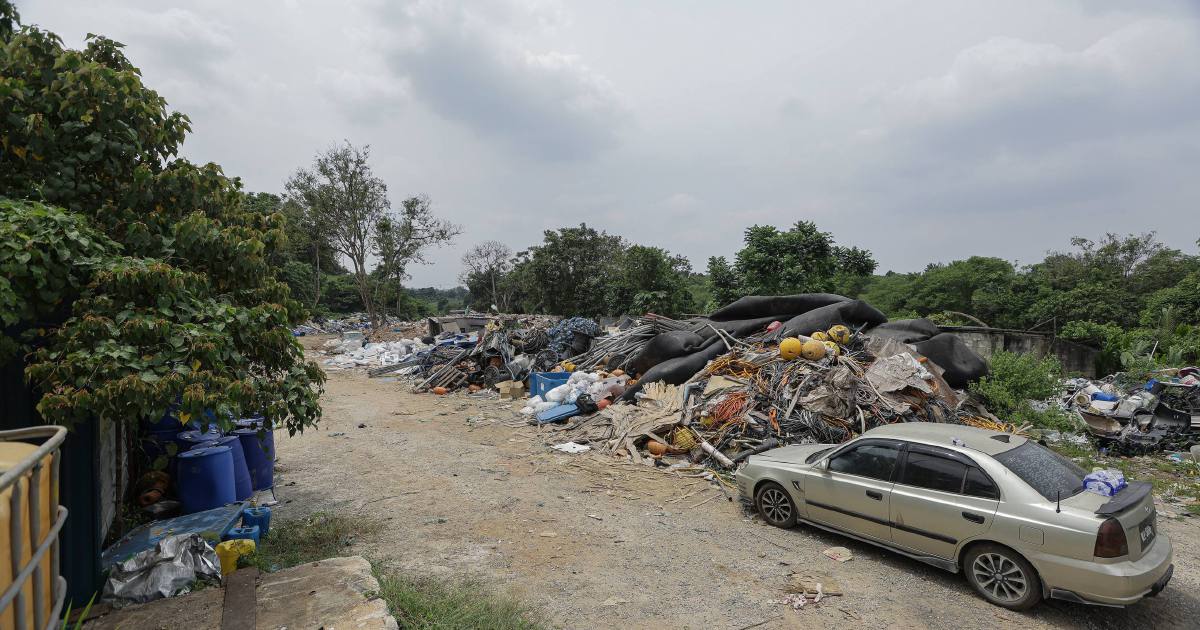
Authorities in Johor have moved swiftly to address mounting environmental concerns by creating a specialized multi-agency task force aimed at uncovering the full extent of alleged illegal dumping of construction waste originating from Singapore in the Pontian district. The coordinated investigative effort represents a significant escalation in cross-border environmental enforcement, signalling Johor's commitment to protecting its natural resources from external waste disposal pressures.
The allegations centre on reports that construction debris, rubble, and other building waste generated from Singapore's ongoing development projects have been systematically disposed of across multiple locations within Pontian. Such practices constitute a serious breach of Malaysia's environmental protection regulations and highlight the growing tension over waste management responsibilities between the two neighbouring jurisdictions. Pontian, located on Johor's southwestern coast directly adjacent to Singapore, has increasingly become a focal point for transboundary environmental challenges.
The task force structure brings together expertise from different government agencies responsible for environmental protection, land management, waste regulation, and local enforcement. This multi-disciplinary approach enables investigators to trace waste movement patterns, identify responsible parties, establish the volume and composition of dumped materials, and determine accountability at both the origination and disposal points. The coordination mechanism also allows authorities to share intelligence across departmental boundaries and streamline enforcement actions against violators.
Such cross-border dumping incidents reflect broader regional waste management pressures. Singapore, with limited natural land and a rapidly expanding construction sector, faces significant challenges in accommodating its waste domestically. The geographical proximity to Johor creates economic incentives for unscrupulous operators to dispose of waste across the border where enforcement may be less stringent or disposal costs significantly lower. This dynamic mirrors waste management tensions observed elsewhere in Southeast Asia, where wealthier, more densely populated areas often externalise their waste disposal burdens onto neighbouring regions.
The environmental implications extend beyond simple unsightliness. Construction waste dumped indiscriminately can contaminate soil and groundwater, disrupt local ecosystems, and render agricultural land unusable. Pontian district encompasses both developed areas and significant agricultural zones, making widespread contamination particularly concerning for local farming communities and water security. The accumulation of such waste also creates public health risks through potential breeding grounds for disease vectors and chemical leaching into water sources serving nearby populations.
For Johor, the investigation carries important precedent-setting implications. If evidence establishes a systematic pattern of transnational waste dumping, it could trigger formal diplomatic communications with Singapore and demands for accountability through official channels. Previous environmental disputes between Malaysian states and Singapore have occasionally required federal intervention and high-level negotiations. The findings may also necessitate amendments to existing bilateral agreements on environmental management or the establishment of new monitoring frameworks to prevent future incidents.
The task force's mandate likely encompasses site inspections, sample collection and analysis, documentation of waste origins, and interviews with individuals or companies suspected of involvement in the disposal operations. Investigators will need to establish the chain of custody for waste materials, determine whether permits were obtained, and identify any falsification of waste classification documents. Such technical investigation requires expertise in waste characterization, environmental forensics, and administrative compliance verification.
For residents and businesses in Pontian, the investigation offers potential redress for environmental degradation affecting their communities. Identifying and quantifying dumped waste provides a foundation for claims against responsible parties for environmental remediation, restoration costs, and damages to property values. Local stakeholders have likely been advocating for government action, and the task force establishment represents an official acknowledgement of their concerns.
The episode also underscores Malaysia's broader commitment to environmental protection and transnational accountability. As a developing nation increasingly conscious of its ecological responsibilities, Johor's decisive response demonstrates that cross-border environmental violations will be taken seriously rather than dismissed as inevitable consequences of regional proximity. This sends important signals to other states facing similar pressures and establishes a template for coordinated investigation and enforcement.
Going forward, the task force findings will inform policy discussions about waste import restrictions, strengthened border monitoring, and enhanced cooperation with Singapore on waste management protocols. The investigation may also prompt broader reviews of how Johor manages its own construction waste and whether existing disposal facilities meet environmental standards. Regional observers will watch closely to see whether the task force produces concrete evidence leading to prosecutions and tangible remediation efforts.
The establishment of this investigative mechanism reflects growing recognition across Southeast Asia that environmental challenges respect no borders and that neighbouring countries must work together to prevent one jurisdiction's waste problems from becoming another's environmental catastrophe. Pontian's experience may eventually contribute valuable lessons to regional environmental governance and the establishment of more robust mechanisms for managing transnational waste flows.

