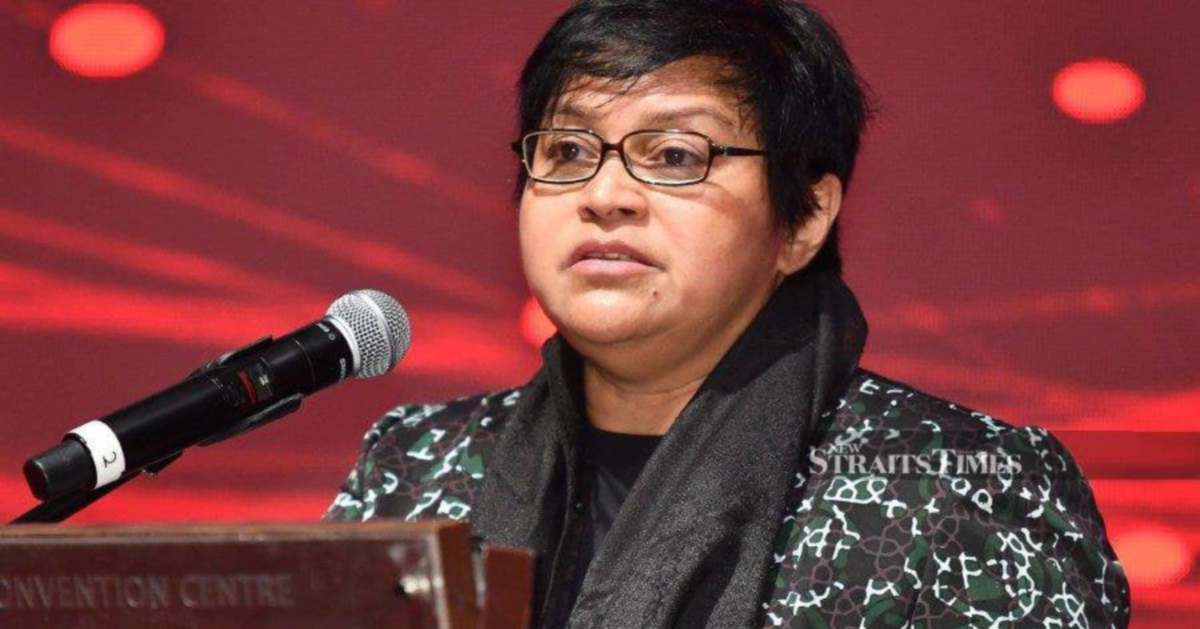
Umno's information chief Datuk Seri Azalina Othman Said has urged political parties to hold off on any discussions regarding coalition formations or unity arrangements in Johor until the election results have been officially announced and verified. The cautious stance reflects the party's preference to allow the democratic process to unfold without premature positioning on post-election governance structures.
Azalina's statement carries particular weight given her role as Umno's principal communication strategist and her proximity to party leadership deliberations. By emphasizing the need to wait for actual election outcomes, she appears to be signalling that Umno intends to campaign on its own platform and policy offerings rather than becoming entangled in pre-election coalition negotiations that might dilute party messaging or create voter confusion about political allegiances.
The timing of such comments is significant within Malaysia's political context. Johor, as one of the nation's most economically important and electorally influential states, has long served as a crucial battleground between rival political coalitions. Any shifting of government control in the state carries implications not just for Johor's development agenda, but potentially for national political alignments and the balance of power within Parliament.
Historically, Malaysian politics has witnessed intense speculation and behind-the-scenes negotiations before, during, and immediately after election campaigns. Coalition discussions have sometimes begun months before polling day, potentially influencing campaign dynamics and voter behaviour. Azalina's insistence on deferring such talks until after results are known suggests Umno may be attempting to prevent premature power-sharing arrangements that could undermine the party's electoral prospects or complicate its negotiating position.
The emphasis on waiting for electoral outcomes also reflects lessons learned from previous Malaysian elections, where pre-election coalition agreements sometimes created unexpected complications. By maintaining flexibility and refraining from public coalition announcements until votes are counted, political parties preserve their bargaining power and can respond more effectively to actual election dynamics rather than hypothetical scenarios.
For voters in Johor and beyond, such statements carry the practical message that the focus should remain on the upcoming campaign period rather than speculation about post-election arrangements. This approach aligns with principles of democratic transparency, allowing citizens to make informed choices about which political parties and coalitions they wish to support based on campaign platforms rather than secret negotiations.
The context of Johor politics adds another layer of complexity to this situation. The state has experienced multiple shifts in political control over recent decades, with different coalitions managing state government affairs at various points. The electorate has demonstrated its willingness to vote for change when circumstances warrant, making each election genuinely competitive and unpredictable.
Azalina's call for restraint in pre-election coalition discussions may also serve an internal party management function. By publicly committing to waiting for election results, Umno signals to its members and supporters that the party is confident in its campaign strategy and electoral appeal, rather than anxiously seeking allies before votes are even cast. This messaging can boost morale among party workers and reinforce the narrative that Umno is a strong, viable choice for Johor voters.
The statement likewise carries implications for Umno's relationships with potential coalition partners, both established allies and parties that might be contemplating political realignment. By maintaining public neutrality on coalition discussions until after elections, Umno avoids appearing too eager or desperate to form particular arrangements, which could weaken its negotiating position or suggest internal uncertainty about its electoral performance.
From a broader Malaysian political perspective, this approach contributes to maintaining the integrity of the electoral process. When major parties engage in coalition positioning before results are known, it can create perceptions that elections are predetermined or that certain parties are prioritizing post-election arrangements over genuine campaign competition. Azalina's statement counters such perceptions by anchoring coalition discussions firmly to actual electoral outcomes.
The Malaysian electorate, having witnessed various political arrangements and coalition formations over the years, generally appreciates clear messaging about campaign intentions. Voters in Johor will likely interpret Azalina's statement as indicating that Umno intends to present itself primarily on its own merits during the campaign, rather than as part of a pre-packaged coalition arrangement. This transparency can help shape voter expectations and facilitate more meaningful campaign discourse focused on policy platforms and constituent service records.
Moving forward, political observers in Malaysia and across Southeast Asia will monitor whether other parties follow Umno's lead in deferring coalition discussions until after elections are held. The approach represents a potential trend toward cleaner campaign processes and more genuine democratic competition, though practical politics often produces pressures that challenge such principled positions.

