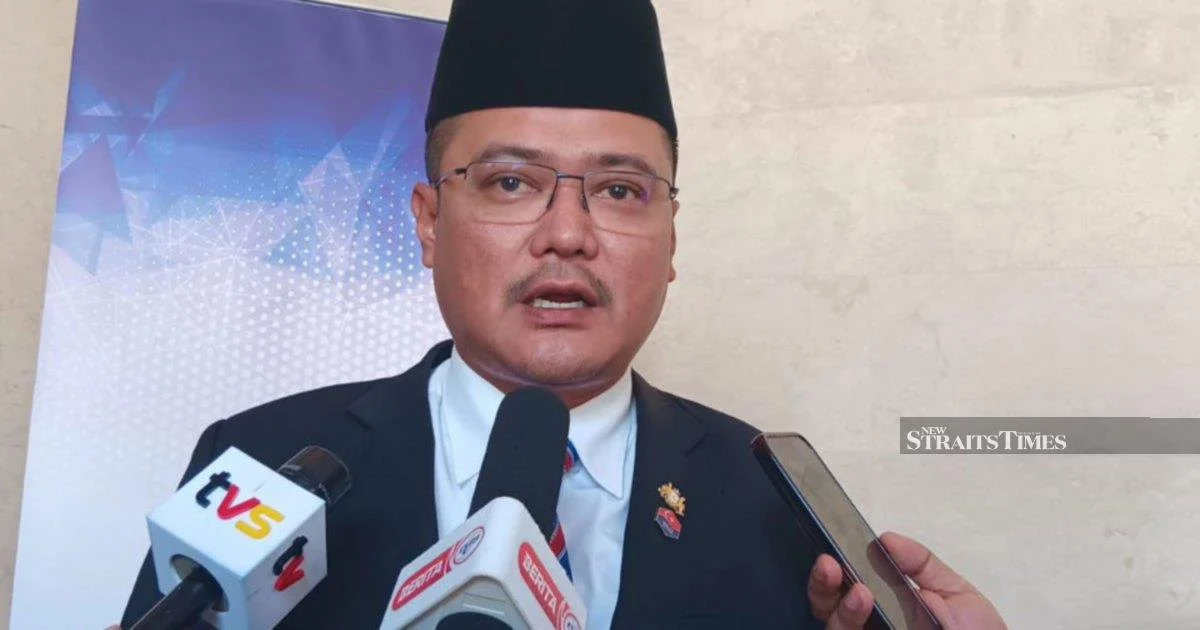
Political tensions in Johor have escalated sharply following allegations by Datuk Dr Mohd Puad Zarkashi, the former speaker of the state legislative assembly, who has accused the Johor palace of influencing key political decisions. In response, Johor's Barisan Nasional leadership has issued a forceful rebuke of these claims, characterising them as groundless, grave, and deeply irresponsible remarks that undermine institutional integrity. The exchange underscores growing fissures within the state's political establishment and raises questions about the boundaries of acceptable discourse surrounding the monarchy's constitutional role in Malaysia's federal system.
The allegations by Puad represent a rare public challenge to the authority and decision-making processes of the Johor palace, an institution that traditionally enjoys protected status in Malaysian political discourse. His claims that the palace has actively shaped political outcomes cut directly against conventional understandings of the palace's constitutional position as a ceremonial authority working within prescribed constitutional limits. The Barisan Nasional's forceful denial suggests these accusations are being treated as a serious breach of protocol and political etiquette, rather than merely a disagreement about policy direction.
Umno Youth, the youth wing of the dominant Malaysian political party, has escalated the matter by asserting that "hundreds" of members and supporters have lodged police reports in response to Puad's allegations. This claim of mass mobilisation indicates that party officials view the remarks as sufficiently damaging to warrant formal institutional response through law enforcement channels. The specific tactic of encouraging supporters to file police reports serves a dual purpose: it demonstrates grassroots political support for the party's position whilst simultaneously creating an official record of complaint that may trigger formal investigation into whether any laws have been violated.
The timing of these allegations and the subsequent backlash reflect broader power struggles within Johor's political landscape. Puad's former role as speaker placed him at the centre of legislative proceedings and gave him considerable institutional authority, yet his current public visibility suggests he operates outside the formal structures that once provided him influence. His willingness to make such serious allegations publicly indicates either genuine concern about governance practices or a calculated move in ongoing factional disputes within state politics. Either interpretation raises significant questions about the stability of Johor's political coalitions.
In the Malaysian context, allegations linking any palace to inappropriate political interference carry substantial weight, as the constitutional monarchy is meant to serve as a stabilising force above partisan competition. The palace institution commands deep respect across society, and challenges to its reputation or integrity are treated with corresponding seriousness by political actors. For Barisan Nasional to react with such force suggests the allegations are viewed as potentially damaging not only to the coalition's credibility but also to respect for constitutional institutions themselves. The party's response aims to delegitimise Puad's claims before they gain wider currency or become incorporated into broader narratives about governance.
The police reports being filed by Umno Youth supporters may eventually be examined by law enforcement to determine whether any criminal statutes have been violated. Malaysian law contains provisions regarding seditious speech and statements that may be deemed to undermine national institutions, and such statutes could potentially be invoked depending on the exact nature of Puad's allegations and how they have been publicly articulated. The scale of reports being filed—if the "hundreds" claim is accurate—suggests a coordinated campaign rather than spontaneous individual responses, raising questions about what specific legal violations party officials believe have occurred.
Puad's background as a former legislative speaker means his statements carry particular weight with observers attempting to understand internal governance dynamics. His transition from a senior institutional position to public critic suggests either a principled stand on governance matters or a shift in factional alignments within state politics. Political observers in Malaysia will scrutinise his motivations carefully, as allegations about palace influence coming from someone with direct experience of high office carry different implications than similar claims from ordinary party members or external commentators.
For Southeast Asian readers, the incident illuminates how constitutional monarchies operate within democratic systems, particularly the careful boundaries that typically govern public discussion of the palace's role. Malaysia's system grants the palace substantial ceremonial importance and certain reserve powers, yet sustained public allegations of improper political interference represent a challenge to these established norms. The Johor situation suggests these boundaries are being tested, with significant implications for how such institutions are perceived and discussed going forward.
The broader political significance extends beyond immediate allegations and counterallegations. The incident reflects underlying tensions about power distribution in Johor and raises questions about whether broader factional disputes within the coalition are being projected onto institutional relationships. Regional observers monitoring Malaysian politics will view this exchange as a potential indicator of deeper instability within Johor's political structures, particularly if such serious institutional accusations become normalised features of political competition rather than exceptional challenges to accepted norms.

