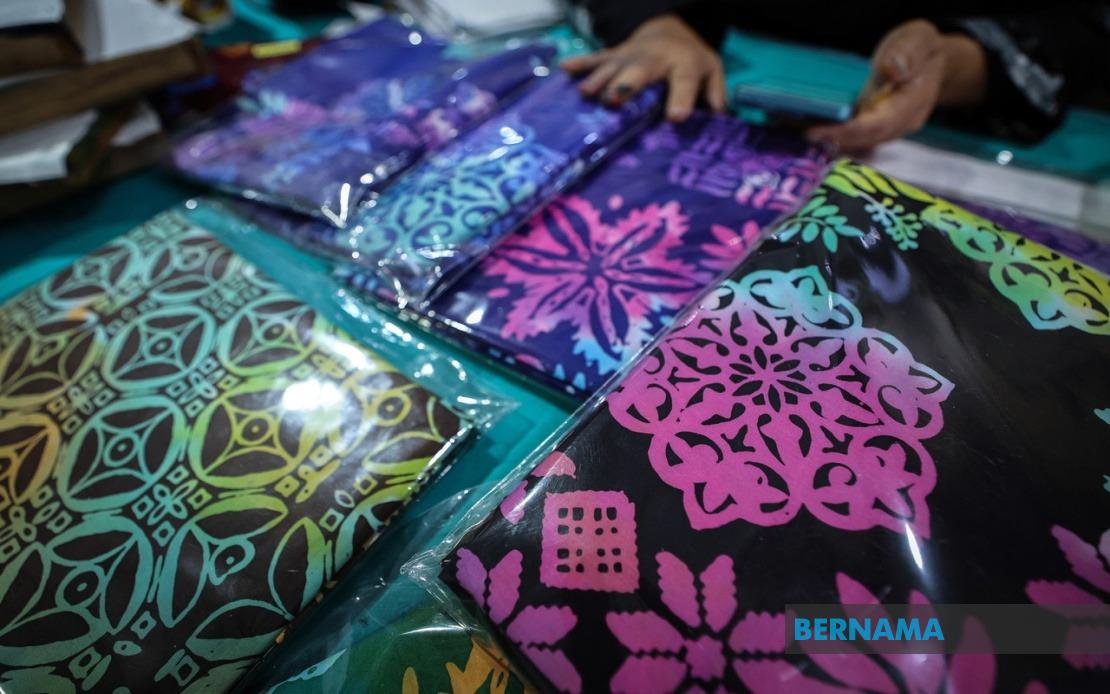
Batik production, long dominated by East Coast Malaysia, is establishing itself as a flourishing craft sector in Johor, where artisans are building a distinct regional identity through designs rooted in the state's rich natural and cultural landscape. Drawing inspiration from indigenous flora, maritime ecosystems, and historical heritage, Johor's batik makers are repositioning the traditional textile art as a contemporary cultural export capable of competing in an increasingly crowded market.
The distinctive aesthetic emerging from Johor's batik studios reflects the state's geographic and historical particularity. Designs incorporate visual references to black pepper cultivation and gambir processing—historic commodities that shaped Johor's economy—alongside representations of mangrove ecosystems and coral reef environments that define coastal regions such as Kota Tinggi and Sedili. Motifs inspired by tiger-stripe patterns and native vegetation provide visual markers that distinguish Johor batik from the more widely recognized East Coast variants, establishing a coherent brand identity rooted in local specificity rather than generic batik aesthetics.
Maimunah Yaacob, a 58-year-old pioneer instrumental in cultivating Johor's batik sector, exemplifies the entrepreneurial determination required to establish a niche craft industry in a competitive landscape. After acquiring foundational canting and hand-drawing techniques in Terengganu during 1993, she undertook two years of advanced training in Kuala Lumpur before launching her enterprise with minimal capital—RM2,000 from home-based operations. Her journey underscores the importance of specialized skill acquisition and sustained commitment to market development, particularly in early phases when consumer appreciation for batik remained limited.
Maimunah's operational philosophy demonstrates how geographic specificity can function as competitive advantage. Her enterprise, Ranorm Batik Creation based in Kampung Singapura, Tanjung Sedili, deliberately differentiates products through regionally rooted design narratives. Muar and Pontian localities feature berembang tree and pineapple motifs, connecting textile patterns to local agricultural and botanical heritage. This approach transforms batik production from generic craft output into storytelling medium that communicates place-based identity, thereby appealing to consumers seeking authentic cultural products with meaningful narratives.
The technical distinction between authentic hand-drawn batik and industrially produced alternatives represents a critical market positioning strategy. Traditional production employing heated wax and canting tools creates characteristic color penetration patterns that visibly differentiate across fabric surfaces—a quality signature absent in screen-printed or machine-processed alternatives. This technical authenticity serves as quality marker that justifies premium pricing and appeals to discerning consumers willing to pay substantially for products embodying traditional craftsmanship and labor-intensive production methods.
Market diversification has enabled Johor batik producers to expand beyond traditional consumer bases. Recognition through national platforms such as the National Craft Day celebration in Kuala Lumpur and the Johor Craft Festival has elevated visibility within domestic markets, while cross-border demand from Singapore indicates emerging regional commercial potential. The price spectrum ranging from RM35 for headscarves to several hundred ringgit for silk attire sets demonstrates scalable production models accommodating varied consumer segments and purchasing capacities.
Adaptation to younger consumer preferences represents a strategic imperative for sector sustainability. Industry practitioners recognize that exclusivity to traditional formal wear limits market expansion within demographic cohorts prioritizing casual and contemporary aesthetics. Integration of modern design sensibilities alongside heritage-inspired motifs positions Johor batik as culturally rooted yet fashion-relevant, potentially capturing millennial and Generation Z consumers who value artisanal production and authentic cultural connections but demand contemporary styling.
The competitive pressure from industrial textile production poses structural challenges to hand-based batik manufacture. Machine-printed products achieve cost advantages enabling aggressive pricing that domestic handcraft producers cannot match without sacrificing quality or artisan compensation. This dynamic pressures batik entrepreneurs toward premium market positioning emphasizing exclusivity, authenticity, and cultural significance rather than competing on volume or cost efficiency—a strategy viable only through sustained consumer education and brand differentiation.
Regional context amplifies significance of Johor batik development. Malaysia's positioning as ASEAN cultural hub creates opportunities for traditional crafts to function as soft power instruments and tourism assets. Johor's geographic proximity to Singapore and southern Thailand positions the state strategically for cross-border cultural commerce. However, realizing this potential requires institutional support transcending individual entrepreneur efforts—formalized training curricula, market access facilitation, and heritage preservation frameworks that governments across Southeast Asia increasingly recognize as development priorities.
Institutional capacity development emerges as essential prerequisite for sectoral scaling. Maimunah's articulated aspiration for expanded training programs and structured educational pathways reflects recognition that succession and knowledge transmission cannot depend exclusively on informal apprenticeship models. Formalized batik training through educational institutions would systematically build workforce capacity, reduce entrepreneurial barriers for prospective artisans, and establish Johor as recognized center of batik excellence comparable to East Coast concentrations.
The Johor batik sector exemplifies broader dynamics reshaping Southeast Asian cultural industries, where rural and regional craft traditions are repositioning from subsistence-level activities toward integrated creative economy participants. Success metrics extend beyond production volume to encompass brand equity, consumer loyalty across geographies, and institutional sustainability. As Malaysian consumers and regional markets increasingly value authentic cultural products, Johor batik's trajectory suggests viable pathways for transforming heritage crafts into commercially sustainable sectors capable of supporting artisan livelihoods while preserving cultural knowledge for subsequent generations.
Looking forward, Johor batik's development trajectory depends on balancing heritage preservation with market-responsive innovation. The sector's competitive advantage lies not in cost replication of industrial production but in distinctive storytelling capacity—articulating Johor's natural richness and historical identity through textile media. Strategic positioning within Southeast Asian creative industries, combined with institutional support for workforce development and market facilitation, could position Johor batik as internationally recognized cultural export reflecting Malaysian regional diversity and artisanal excellence.

