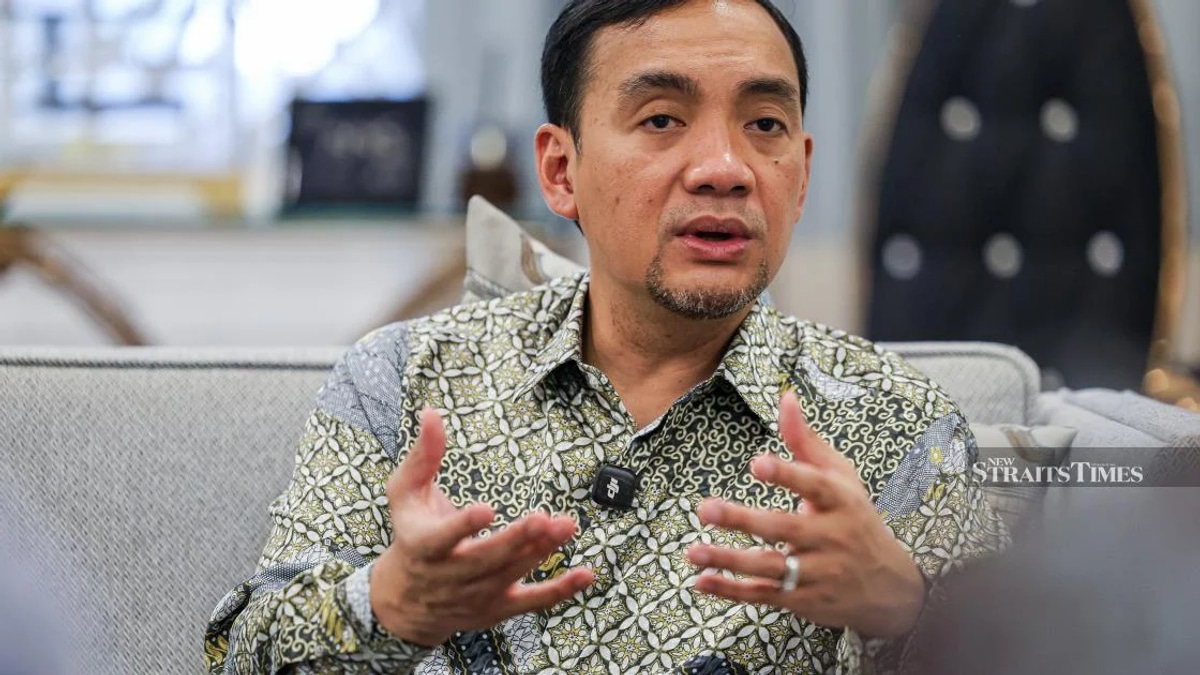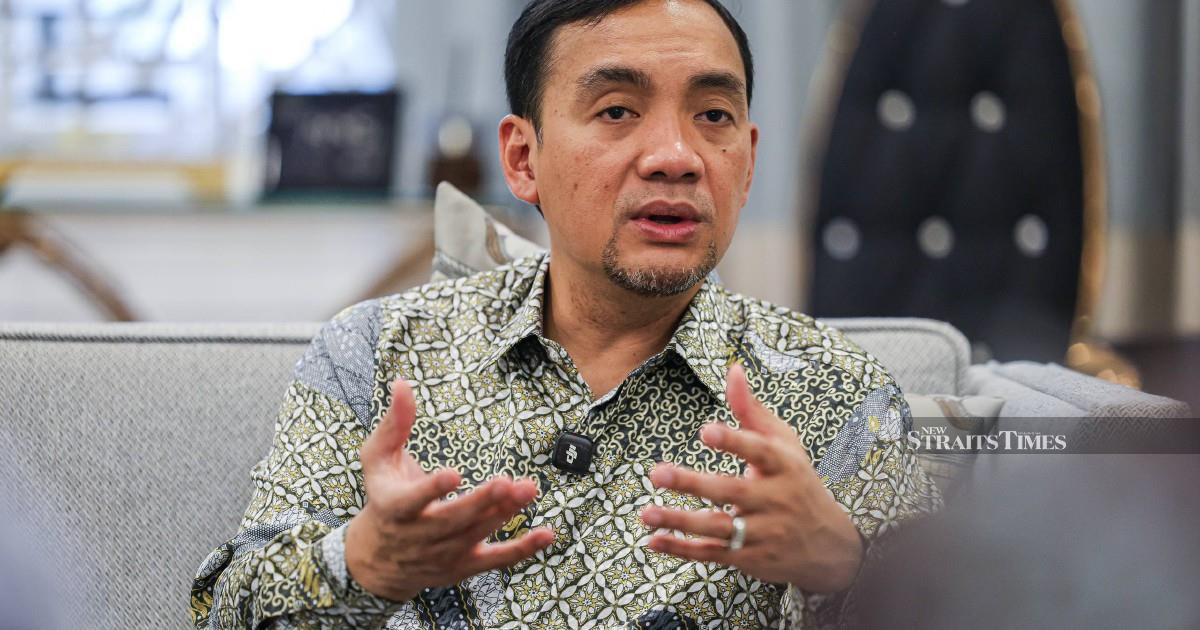
Johor's Barisan Nasional coalition is moving swiftly toward the election campaign phase, with state leadership signalling that the coalition has substantially completed its internal deliberations on candidate selection. According to Johor Menteri Besar Onn Hafiz, the finalised roster is expected to be formally announced on Saturday, ending weeks of speculation about seat allocation among the component parties and negotiations within the bloc.
The timing of the announcement carries strategic significance for BN's electoral positioning in Johor, Malaysia's second-largest state by population. With campaign machinery now able to mobilise fully behind named candidates, the coalition aims to capitalise on momentum before the formal nomination period concludes. This move also demonstrates internal unity at a time when party discipline and coherence are essential for winning marginal seats in an increasingly competitive political landscape.
The completion of candidate selection reflects extensive negotiation among BN's three primary components in Johor: UMNO, which traditionally claims the lion's share of seats as the dominant party in the rural and semi-urban heartland; MCA, which contests in areas with significant Chinese-majority populations; and MIC, which focuses on constituencies with substantial Indian communities. Each component party's leadership has had to balance factional pressures, incumbent performance, and the imperative to field competitive candidates capable of retaining or recapturing seats lost in previous contests.
For Malaysian voters and political observers, the candidate announcement matters considerably beyond mere procedural significance. Johor has historically served as a bellwether for national trends, and the composition of BN's slate reveals which personalities and political factions enjoy backing from the state's power brokers. The inclusion or exclusion of certain figures also signals the coalition's strategic priorities regarding which constituencies are being treated as priority targets for resource allocation and campaign focus.
The decision to publicly reveal candidates on Saturday creates a structured transition point in the electoral calendar. Once names are formally announced, rival coalitions can conduct more targeted opposition research and develop position-specific campaign messages. This also allows media organisations and civil society groups to conduct biographical and performance assessments of the nominated candidates, contributing to more informed public discourse about the candidates' track records and qualifications.
Onn Hafiz's confirmation that the deadline has been met underscores the operational efficiency of BN's state machinery, even if internal debates over seat allocation have inevitably generated friction among party members and divisional leaders. Managing such competitions fairly—or at least in a manner perceived as minimally contentious—is critical for maintaining morale during the demanding campaign period ahead. Candidates who feel unfairly sidelined might campaign with reduced enthusiasm, while those selected gain clear legitimacy to represent their parties in public forums and in their constituencies.
From a Southeast Asian perspective, Johor's election carries implications for Malaysia's broader political trajectory. As the largest and most developed state south of Kuala Lumpur, Johor's governance quality and political stability influence investor confidence and economic performance across the region. The calibre of candidates fielded by each coalition partly determines the quality of state legislative debates and policy implementation over the coming term, making the candidate selection process more than merely symbolic.
The announcement also marks a transition in media coverage, shifting from speculation about likely candidates to substantive discussion of policy platforms and performance records. This enables stakeholders—businesses, civil society organisations, trade unions, and community groups—to engage more productively with candidates and parties on issues such as infrastructure development, education, healthcare provision, and environmental management that directly affect residents' quality of life.
For BN specifically, the Saturday announcement aims to consolidate internal confidence and project external unity at the moment when the coalition needs maximum public visibility. Delays in candidate announcement or visible internal discord over seat allocation would have suggested weakness to both supporters and opponents. By delivering a timely, comprehensive slate, BN's leadership demonstrates competence in organisational matters, a necessary—though not sufficient—foundation for electoral success.
The weeks ahead will test whether this candidate lineup can effectively prosecute BN's campaign across diverse constituencies. Success will depend not only on the calibre of individual candidates but also on the coherence of party messaging, the effectiveness of ground-level campaign organisation, and the coalition's ability to address voter concerns about matters ranging from cost of living to service delivery. The formal unveiling on Saturday thus represents both an endpoint to internal deliberations and the true commencement of public electoral competition.