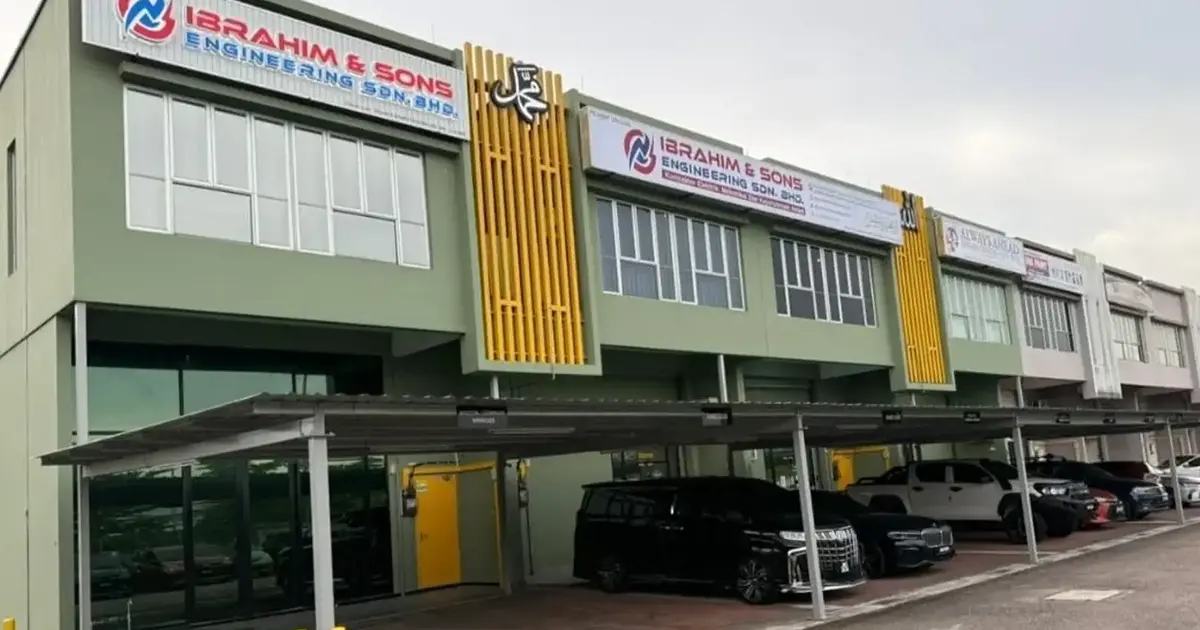
A Johor Bahru-based engineering firm has struck back against its estranged commercial partner with a defamation counter-suit, escalating a dispute that has spilled into the public domain and raised questions about corporate governance in Malaysia's industrial sector. Ibrahim & Sons Engineering Sdn Bhd has challenged the Steel Hawk group's campaign of accusations, contending that the competitor's actions constitute deliberate efforts to undermine the company's standing through coordinated media channels.
The counter-action represents a significant intensification in what appears to be a high-stakes corporate disagreement between the two entities. Ibrahim & Sons Engineering asserts that Steel Hawk has pursued what amounts to a systematic public relations assault, strategically timed and executed across multiple platforms to maximize reputational damage. According to the company's legal position, this approach goes beyond ordinary commercial dispute resolution and enters territory that warrants legal remedies specifically addressing false and malicious statements.
The allegation of a 'pre-planned media strategy' carries particular weight in Malaysia's business environment, where corporate reputation remains central to securing contracts, attracting investment, and maintaining stakeholder confidence. If substantiated, such coordinated campaigns can effectively weaponize public perception, creating collateral damage that extends beyond the immediate parties involved. The characterization suggests Ibrahim & Sons Engineering views Steel Hawk's conduct as exceeding the bounds of legitimate competitive behavior or even standard dispute communication.
Defamation actions in Malaysia require plaintiffs to demonstrate that false statements were made publicly, that they caused measurable harm to reputation, and that the defendant acted with malice or recklessness. The invocation of 'fraudster' language in Steel Hawk's allegations—if indeed such language was employed—would constitute particularly serious accusations, as fraud carries criminal implications alongside civil liability. Ibrahim & Sons Engineering's counter-claim suggests the company believes these characterizations lack factual foundation and were deployed primarily for their destructive impact rather than their truthfulness.
The industrial engineering sector has experienced considerable consolidation and competition in recent years, with firms competing fiercely for infrastructure contracts and manufacturing partnerships. Such competitive pressures can occasionally drive companies toward aggressive tactics that blur professional boundaries. This dispute may reflect broader tensions within the sector regarding ethical business conduct and the responsible use of media channels when commercial relationships deteriorate.
For investors and business partners examining either firm, the counter-suit introduces uncertainty regarding which party's claims command greater credibility. In commercial relationships, such public disputes create reputational risks for both entities, potentially affecting their ability to secure future contracts or partnerships. Other firms in the engineering sector may regard this escalation with concern, as it demonstrates how industrial partnerships can unravel into costly legal warfare that damages all involved.
The defamation counter-claim strategy employed by Ibrahim & Sons Engineering serves multiple purposes beyond the immediate legal context. It signals to stakeholders that the company will not accept reputational attacks passively, thereby potentially discouraging further public allegations. Simultaneously, it establishes a formal record of the company's position regarding the factual accuracy of Steel Hawk's claims, creating documentary evidence useful in resolving other commercial matters or investor inquiries.
Malaysian courts have increasingly scrutinized corporate defamation cases, recognizing the tension between protecting legitimate free speech and commercial commentary against permitting malicious false statements that harm businesses. The outcome of Ibrahim & Sons Engineering's counter-suit may establish precedent regarding where the legal system draws boundaries around pre-planned reputational campaigns versus standard competitive communication. Such clarity remains valuable for Malaysia's business community as corporate disputes become more sophisticated and publicly visible.
The dispute also reflects broader challenges facing Malaysia's industrial sector regarding conflict resolution mechanisms. Rather than pursuing mediation or arbitration that might preserve commercial relationships and confidentiality, both firms have elected to wage their disagreement through public channels and formal litigation. This approach creates collateral reputational damage for the industry itself, potentially undermining confidence among international partners considering investments in Malaysian engineering capabilities.
Stakeholders monitoring this case should consider how courts weigh evidence of coordinated strategy against the substance of the underlying commercial disputes that prompted the allegations. If Ibrahim & Sons Engineering successfully establishes that Steel Hawk orchestrated a deliberate media campaign to damage its reputation, it could establish meaningful financial and injunctive remedies. Conversely, Steel Hawk's legal position will likely depend upon demonstrating that its public statements were substantially factual or constituted protected opinion regarding matters of public concern.
The counter-suit underscores the importance for Malaysian corporations of exercising restraint when disputes arise with business partners. Once companies transition from private negotiation to public accusation, they invite legal consequences that extend significantly beyond the original commercial disagreement. The outcome of this particular case may influence how other firms in the engineering sector approach similar controversies, potentially establishing deterrence against orchestrated reputational campaigns.
As both firms pursue their legal strategies, the broader Malaysian business community watches to assess how courts handle allegations of coordinated media manipulation in corporate disputes. The resolution may establish important guidance regarding acceptable conduct during commercial conflicts while protecting businesses from reputationally devastating false statements deployed as competitive weapons.

