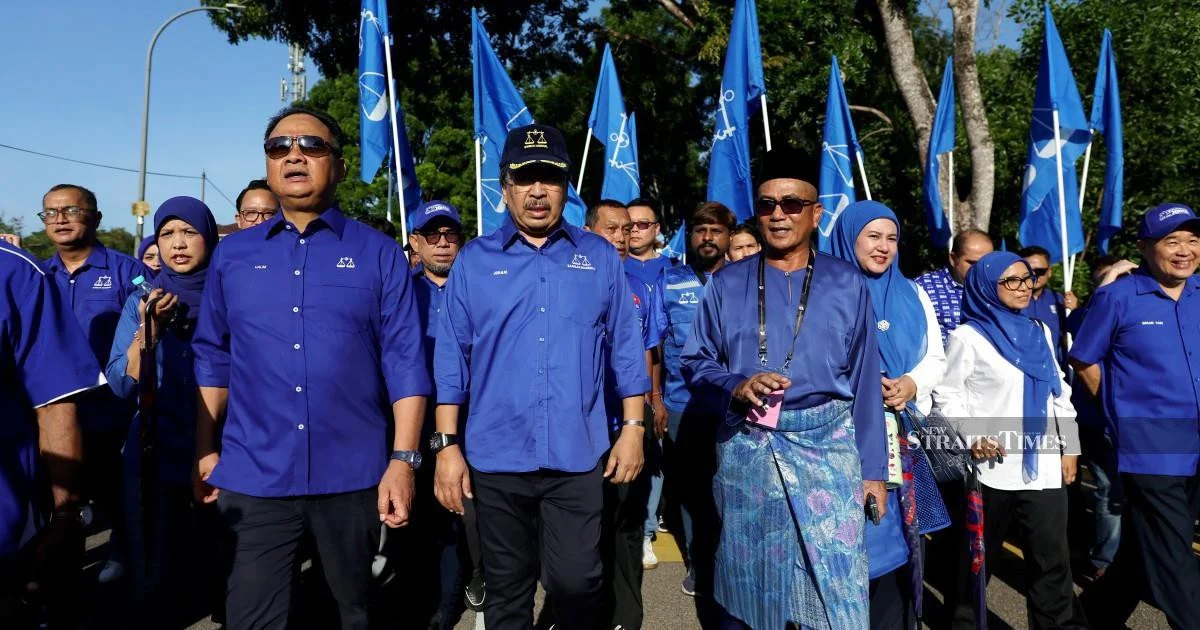
Umno vice-president Datuk Seri Johari Abdul Ghani arrived at Taman Pelangi Indah community hall to amplify backing for Barisan Nasional's candidate in the Tiram seat, signalling the coalition's intent to consolidate support in the Johor contest. The high-profile visit reflects the strategic importance the ruling coalition places on the constituency and the need to mobilise party machinery at senior levels during what promises to be a closely watched electoral battle in the southern state.
The Tiram seat has emerged as a key battleground in Johor's political landscape, with various parties fielding competitive candidates. The presence of a senior Umno figure such as Johari demonstrates Barisan Nasional's willingness to deploy its heaviest hitters to shore up support where the outcome appears uncertain. Such ground-level engagement by party leadership often signals internal assessments that a constituency requires intensive campaigning and grassroots mobilisation to secure victory.
Johari's campaign visit comes amid broader electoral positioning across Johor, a state that remains pivotal to national political calculations. As a peninsula state with substantial representation in parliament, Johor has traditionally been viewed as a Barisan Nasional stronghold, though recent electoral cycles have shown shifting voter sentiment and increased competition from opposition coalitions. The current campaign effort reflects heightened awareness among ruling coalition strategists that no seat can be taken entirely for granted.
The choice of Taman Pelangi Indah as a campaign venue indicates a focus on building momentum among constituents in residential areas, where door-to-door engagement and community-based persuasion remain influential. These grassroots interactions allow political figures to address local concerns directly and shape narratives at the neighbourhood level, often proving more effective than mass rallies in influencing voting patterns. The community hall setting also facilitates smaller, more intimate gatherings that encourage voter participation and questions.
For Malaysian observers, such campaign activities underscore the continuing centrality of state-level politics to the nation's broader political trajectory. While federal-level developments dominate headlines, control of state assemblies determines resource allocation, development priorities, and local governance quality. The commitment of senior federal figures like Johari to state campaigns reflects recognition that electoral performance in Johor ripples through national political calculations and coalition stability.
Barisan Nasional's campaign strategy appears to emphasise traditional strengths in building voter loyalty through developmental achievements and institutional connections. By deploying senior party figures, the coalition seeks to reinforce its message of experience and capability in governance. This approach contrasts with opposition strategies that often emphasise change narratives and fresh leadership, particularly among younger voters seeking alternatives to long-established power structures.
The Tiram contest must be understood within Johor's broader political context, where multiple constituencies present varying levels of competitive intensity. Urban seats have experienced increasing pressure from opposition coalitions, while rural and semi-urban areas have largely remained loyal to Barisan Nasional. The composition of Tiram—whether predominantly urban, rural, or mixed—significantly influences the intensity of campaign efforts and the strategic messaging deployed by competing candidates.
Johari's role as Umno vice-president carries particular weight in intra-coalition dynamics. His visibility in campaign activities signals to party members and supporters that senior leadership is engaged and invested in electoral outcomes. Such engagement also sends messages within Umno about which constituencies are considered strategic priorities, influencing volunteer enthusiasm and resource allocation from local party organisations. The symbolic weight of a vice-president's appearance should not be underestimated in Malaysian political culture, where hierarchical positioning carries significant meaning.
The timing of campaign activities in Johor reflects electoral timetables and strategic assessments about momentum-building. Political parties typically intensify ground engagement during specific campaign phases, with senior figures appearing at crucial junctures when early voting trends suggest particular constituencies require intervention. Johari's presence at this particular moment suggests calculations within Barisan Nasional that Tiram warrants heightened attention and senior-level political investment to ensure desired electoral outcomes.
Looking forward, the Tiram contest will be indicative of broader patterns across Johor and the peninsula more generally. Victory margins, voter turnout patterns, and demographic breakdowns in this and similar constituencies will provide valuable data for understanding evolving political preferences among Malaysian voters. Such information influences subsequent strategy adjustments by all parties and shapes narratives about shifting political fortunes in the coming electoral cycle. The campaign efforts visible today will form part of the accumulated evidence about whether Barisan Nasional can sustain its traditional electoral dominance or whether competitive pressures are fundamentally altering Malaysian electoral dynamics.

