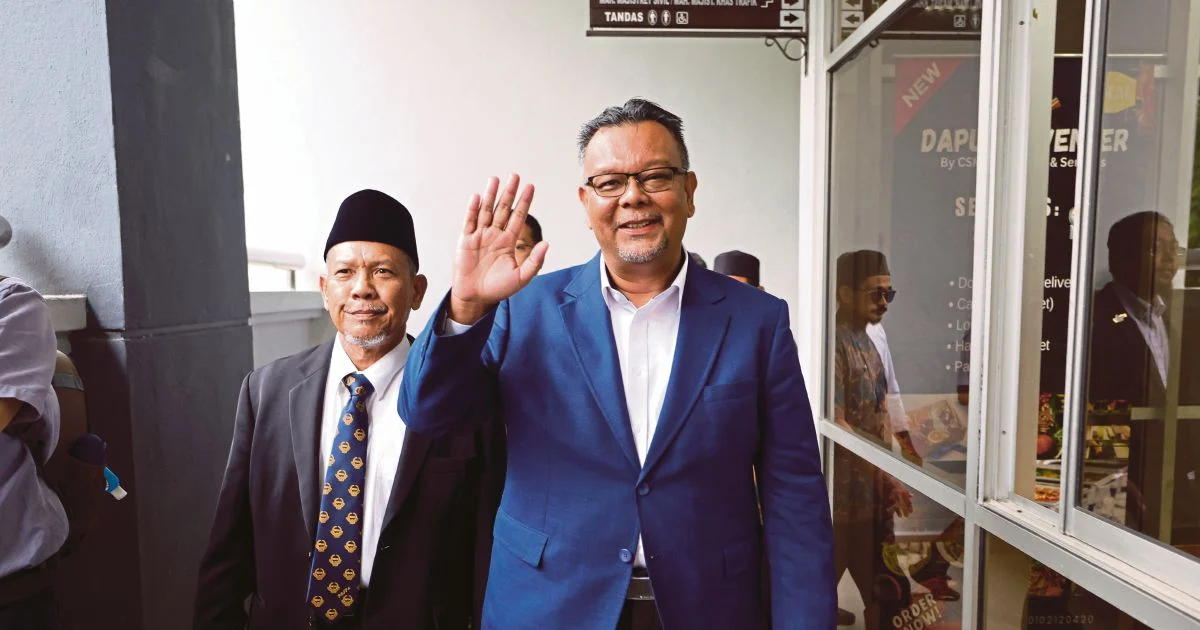
Dr Haim Hilman Abdullah, the elected assemblyman representing the Jitra constituency, appeared before the magistrate's court in Seremban on charges stemming from statements he allegedly made with the intention or knowledge that they could provoke public alarm or anxiety. The legislator's plea of not guilty marks the beginning of what is likely to be a closely watched legal proceeding, given his position within Malaysia's state legislative framework and the increasing scrutiny placed upon public figures' utterances in the digital age.
The charge itself falls under provisions designed to protect public order and safety, reflecting longstanding concerns about statements that might incite unnecessary fear or confusion among the population. Such provisions exist across Commonwealth jurisdictions and form part of Malaysia's broader legal apparatus aimed at maintaining social stability. The fact that a sitting elected representative now faces this charge underscores the tension between the right to free speech—a cornerstone of democratic practice—and the state's interest in preventing genuine public disturbance.
Haim Hilman's decision to contest the allegations through a not guilty plea indicates either a fundamental disagreement with the prosecution's characterisation of his statements or a belief that his utterances fall outside the legal threshold that would warrant conviction under this particular statute. The magistrate's court process will now require both the prosecution and defence to present evidence and arguments supporting their respective positions. This judicial examination of the exact nature and context of the statements becomes crucial in determining whether they indeed crossed the legal boundary.
The case gains particular relevance for Malaysian political discourse at a time when politicians across the country must navigate an increasingly complex media landscape. Social media platforms have fundamentally altered how political figures communicate with constituents, allowing for rapid dissemination of messages but also creating potential for misunderstanding or alleged misuse. Statements that might once have been confined to local gatherings or traditional media outlets now reach audiences instantly and can be reproduced, screenshotted, and shared endlessly online.
For residents of Jitra and the broader Kedah state electorate, this proceeding raises questions about representation and the boundaries of political speech. Constituents will be watching to understand what their elected representative allegedly said and whether it genuinely warranted legal action. The outcome could carry implications for how lawmakers across the country exercise their right to communicate with the public without fear of prosecution, particularly regarding matters of governance and public interest.
The Seremban magistrate's court venue, though not in Haim Hilman's home state of Kedah, suggests that the alleged statements or their effects may have had implications beyond his immediate constituency. Magistrate's courts handle a wide range of criminal matters and have defined jurisdictional limits; the fact that this case was brought here rather than in Kedah reflects either the location where the statements were made or prosecutorial discretion regarding where proceedings would occur.
From a legal standpoint, the prosecution will need to demonstrate that the statements in question met specific criteria: they must establish not only that the words were made, but that they were of a nature likely to cause public alarm, and that this element was either intended or knowingly possible. This distinction matters considerably. A statement that someone considers inflammatory or offensive does not automatically meet the legal threshold; the focus must remain on whether it genuinely threatened public order or safety.
The broader context of this case within Malaysian jurisprudence matters as well. Courts have historically applied this type of statute with varying degrees of stringency, and defence lawyers have often argued that such provisions can be vague or subject to overly broad interpretation. Recent years have seen growing debate about whether existing legislation adequately balances security concerns with the legitimate space needed for political debate and criticism of government.
For Southeast Asian observers and Malaysian political analysts, this case exemplifies ongoing tensions in the region regarding the regulation of political speech. Different nations maintain different standards, and Malaysia's approach continues to evolve as courts grapple with balancing traditional order-maintenance concerns against contemporary demands for political openness and accountability.
The proceeding will likely extend over multiple court dates as evidence is heard and legal arguments presented. Haim Hilman's legal team must effectively contest either the factual basis of the prosecution's case or demonstrate that the statements, even if proven to have been made, did not cross into the legally defined territory of causing public alarm. The eventual judgement—whether acquittal or conviction—will set precedent and signal the boundaries of acceptable political expression in Malaysia's evolving democratic framework, with potential ripple effects across the state legislature and beyond.

