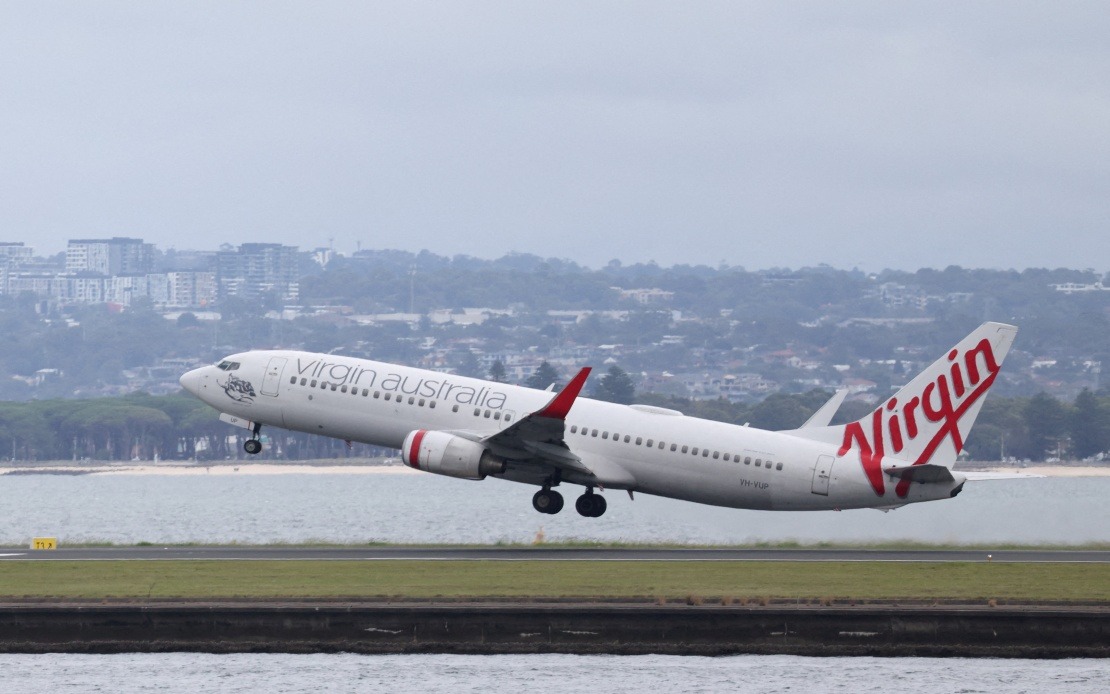
A Jetstar Airways crew member suffered injuries on Sunday morning when the airline's flight to Australia's Gold Coast narrowly avoided a collision with an empty Qatar Airways Boeing 777 on a Sydney Airport runway. The incident, which occurred around 7 am local time, has prompted Jetstar to launch a formal investigation into the circumstances that led to the dramatic evasive action.
Jetstar flight JQ402 was in the process of taxiing along the runway in preparation for departure when pilots detected an immediate collision risk. The captain made the decision to apply heavy braking to prevent impact with the Qatar Airways aircraft, which was being towed across the same runway at the time. The emergency manoeuvre caused a cabin crew member to sustain injury, with paramedics providing immediate medical attention at the scene. Fortunately, the aircraft carried no passengers at the time, meaning the incident affected only crew personnel.
In a statement released following the incident, Jetstar representatives emphasised that their pilots were adhering to directives issued by air traffic control when they were compelled to execute the emergency stop. The airline noted that pilots were forced to brake firmly after detecting another aircraft entering dangerously close proximity to their flight path. This account suggests that while the immediate response from the flight crew was appropriate and swift, questions remain about how such a situation was permitted to develop in the first place, particularly given the coordinated nature of runway operations that should prevent such scenarios.
The near-miss occurs against a backdrop of operational strain at Australia's primary aviation hub. Sydney Airport experienced significant disruptions on Friday and Saturday of the previous week, with more than 250 flights delayed or cancelled due to staffing shortages within Airservices Australia, the government agency responsible for managing air traffic control across the country's major airports. These widespread delays highlighted systemic vulnerabilities in the infrastructure that oversees the safe movement of aircraft on Australian runways and taxiways.
The timing of the incident raises troubling questions about whether the recent staffing crisis at Airservices Australia may have contributed to the breakdown in runway coordination. When air traffic control facilities operate below capacity due to personnel shortages, the risk of miscommunication and procedural gaps increases substantially. The sequence of events—where both a moving aircraft and a towed aircraft occupied the same runway simultaneously—suggests potential gaps in the coordination protocols or communication channels between ground control and flight crews.
For Malaysian aviation professionals and industry observers, this incident serves as an important reminder of the cascading risks that emerge when ground operations face resource constraints. Southeast Asian airports, which collectively handle millions of passengers annually, operate under similar safety frameworks and depend equally on robust air traffic management systems. The Sydney Airport incident demonstrates how staffing limitations in one critical function can precipitate safety hazards across the entire operation.
Jetstar, which operates as a wholly-owned subsidiary of Australia's Qantas Airways, has established a reputation as a significant carrier in the Asia-Pacific region, with extensive operations throughout Southeast Asia. The airline's involvement in such an incident carries implications for regional stakeholder confidence in operational standards. The company's commitment to investigating the matter thoroughly will be essential to identifying whether systemic issues exist that could affect other airports where Jetstar maintains operations.
Airservices Australia's staffing challenges underscore broader pressures affecting aviation infrastructure globally. The post-pandemic recovery in air travel has strained resources across airport systems worldwide, with many facilities struggling to recruit and retain qualified personnel. Australia's situation mirrors challenges faced by airports in Malaysia, Singapore, Thailand, and other regional hubs, where demand for air traffic control services has rebounded sharply while recruitment has lagged.
The distinction between this incident and a catastrophic collision illustrates how quickly competent crew response can avert disaster. The pilots' immediate recognition of the hazard and their decisive action prevented what could have resulted in significant loss of life. However, the fact that such corrective action was necessary indicates that preventative measures—such as improved coordination between ground control and taxi operations—may require enhancement.
Investigations into such incidents typically examine multiple factors, including communication protocols, visibility conditions, standard operating procedures, and individual performance. The findings from Jetstar's inquiry will likely influence recommendations for enhanced safety measures at Sydney Airport and potentially across other major Australian aviation hubs. Industry regulators and international aviation bodies monitor such investigations closely to identify trends and implement preventative measures.
For passengers and crew throughout the Asia-Pacific region, incidents like this reinforce the critical importance of investment in aviation safety infrastructure. While flying remains statistically among the safest forms of transportation, margins for error continue to narrow as airports operate at increasing capacity. The Sydney Airport near-miss demonstrates that even in well-developed aviation systems, vigilance and adequate resourcing remain essential to maintaining safety standards.

