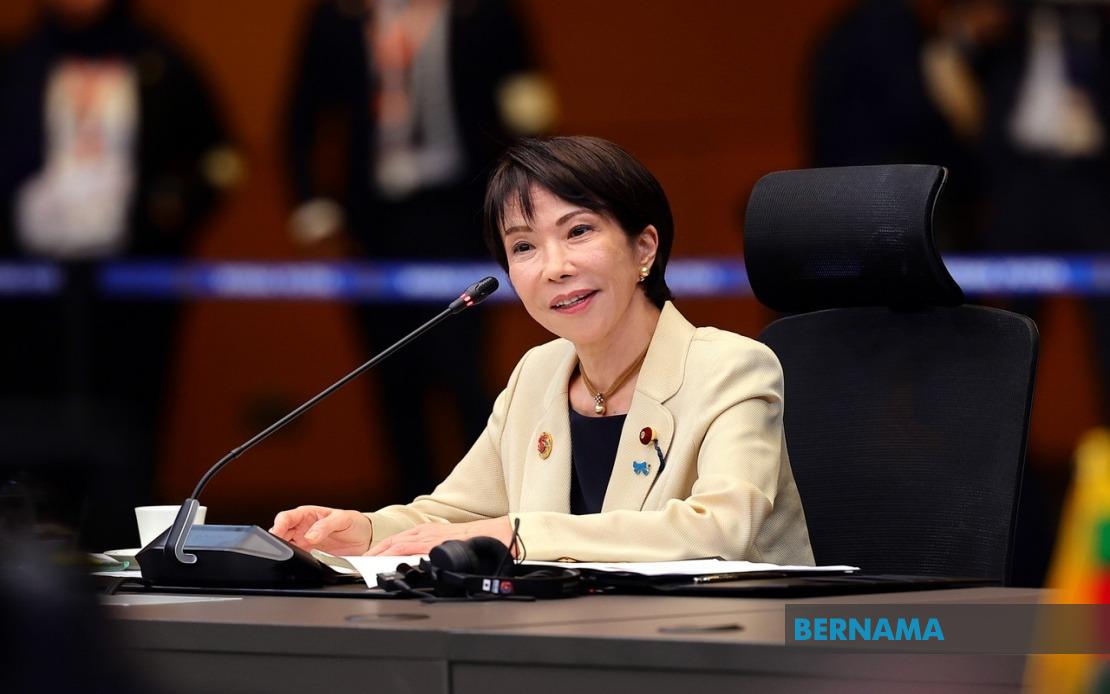
Japanese Prime Minister Sanae Takaichi has raised concerns about freedom of navigation through the Strait of Hormuz during a telephone conversation with Oman's Sultan Haitham bin Tariq al-Said on Monday, underscoring Tokyo's investment in maintaining stable transit routes for global commerce. The direct appeal reflects growing anxiety in Japan over the strategic waterway's security, particularly given the absence of progress in broader US-Iranian negotiations that have left regional tensions unresolved.
The Strait of Hormuz represents one of the world's most vital chokepoints for energy and trade, with millions of barrels of oil passing through its waters daily. For Japan, an island nation heavily dependent on imported petroleum and liquefied natural gas, any disruption to this corridor carries profound economic consequences. Tokyo's willingness to engage Oman directly signals recognition that smaller regional powers often possess greater diplomatic leverage and nuanced relationships than larger actors embroiled in direct confrontation.
Oman has positioned itself as a quiet facilitator in regional disputes, maintaining diplomatic channels with both Iran and Western powers. According to reporting from Kyodo News, the sultanate is currently engaged in substantive conversations with Iran, specifically regarding the administration and oversight of shipping lanes through the contested waterway. This intermediary role has made Oman an essential interlocutor for nations seeking to prevent further escalation or miscalculation along one of Asia's most economically critical maritime zones.
Takaichi's outreach reflects Japan's strategic calculation that preserving the status quo of free passage requires continuous reinforcement through multiple diplomatic channels. Rather than relying solely on American security guarantees or international coalitions, Tokyo has chosen to engage directly with regional mediators. This approach acknowledges the limits of external pressure and the superior effectiveness of dialogue rooted in mutual understanding of each nation's legitimate security and commercial interests.
The Sultan's response, as communicated through Takaichi to journalists in Tokyo, demonstrated Oman's commitment to consulting broadly with maritime users before taking any position that might affect shipping routes. This cautious stance reflects the sultanate's awareness that any perceived partiality could undermine its standing as a neutral broker in an increasingly polarized environment. Oman's insistence on respecting the perspectives of all stakeholders using the waterway signals that regional solutions must accommodate diverse interests rather than impose solutions favored by any single power.
The broader context of stalled US-Iranian negotiations casts a shadow over maritime security discussions. Without progress on the underlying political disputes between Washington and Tehran, the risk of miscalculation or incident along contested waterways remains elevated. Japan, despite its distance from the Middle East, faces direct consequences from such instability and therefore maintains active diplomatic engagement with all relevant parties to prevent escalation.
For Southeast Asian nations including Malaysia, the implications of Hormuz instability resonate deeply. Regional economies depend on the free flow of energy resources and manufactured goods through this chokepoint, and any sustained disruption would cascade through supply chains and raise transportation costs across the entire Indo-Pacific. Malaysia's petrochemical industry, shipping sector, and energy-dependent manufacturing base would all suffer from prolonged passage disruptions or elevated insurance premiums associated with heightened risk.
Takaichi's intervention also underscores Japan's recognition that diplomatic engagement requires persistence even when major power negotiations appear frozen. By maintaining active communication with regional players like Oman, Tokyo demonstrates that smaller stakeholders possess legitimate interests worthy of consideration. This approach contrasts with approaches that treat regional diplomacy as subsidiary to great power competition and suggests that inclusive frameworks may prove more durable than those imposed through coercion or exclusion.
Oman's dual engagement with Iran and maritime trading nations reflects an understanding that sustainable solutions emerge through patient negotiation rather than confrontation. The sultanate's historical experience as a trading nation and its geographic position give it credibility that larger, more ideologically committed actors cannot claim. Japan's deference to Oman's judgment in these talks represents practical recognition that local knowledge and regional relationships often outweigh external pressure in determining outcomes.
The conversation between Takaichi and Sultan Haitham also demonstrates how individual political leaders can shape outcomes through direct engagement. Takaichi's recent elevation to the position of prime minister has given her platform to articulate Japan's interests directly to key regional figures. Her emphasis on free and safe passage reflects not merely abstract commitment to open navigation but concrete concern for Japan's energy security and economic prosperity.
Looking ahead, the trajectory of these discussions will depend significantly on whether broader US-Iranian negotiations gain traction or remain stalled. Oman's willingness to consult all stakeholders suggests the sultanate remains open to facilitating agreements that might gradually reduce tensions. For Japan and other nations with significant maritime commerce through the Hormuz corridor, supporting Oman's mediation efforts may prove more effective than unilateral measures in preserving the stability upon which regional prosperity depends.

