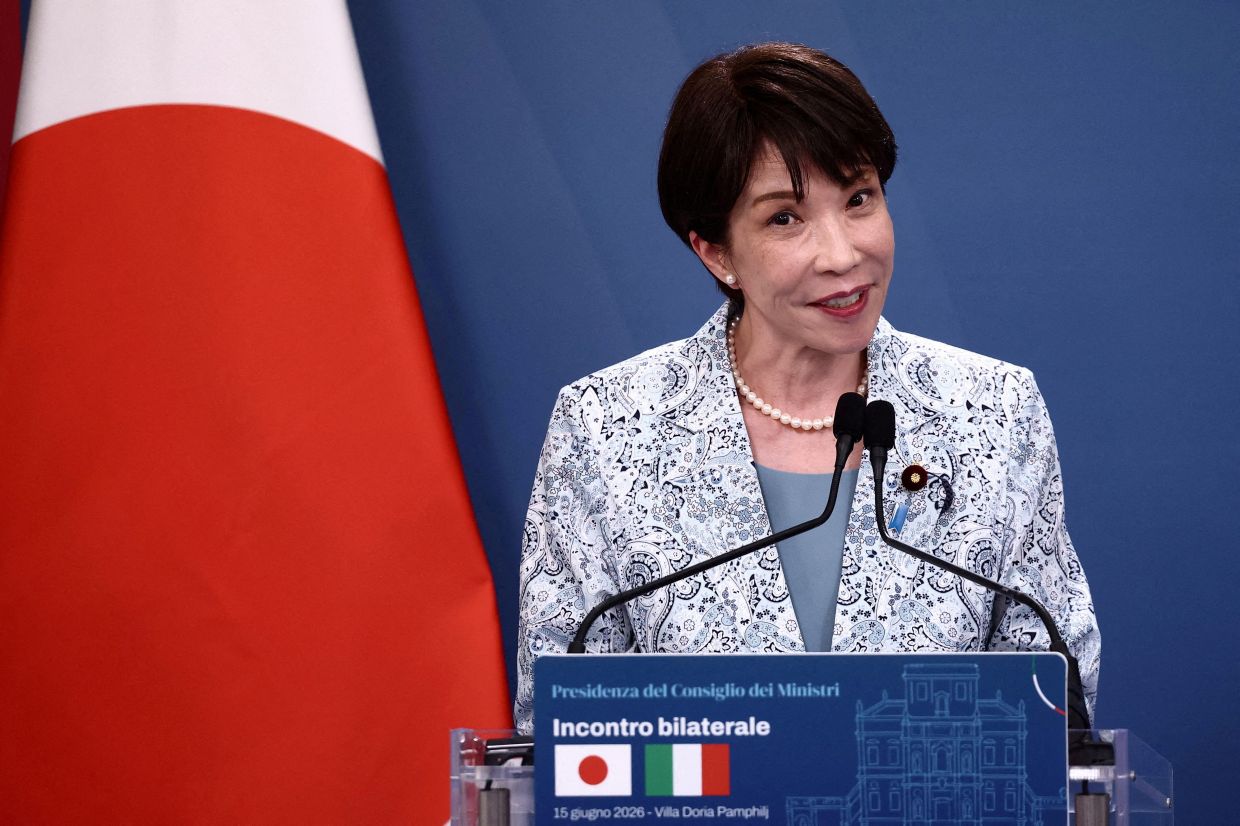
Japanese Prime Minister Sanae Takaichi's political fortunes have taken a notable turn downward, with her cabinet's approval rating slipping below the crucial 50 per cent threshold for the first time since she assumed office in October. According to a Jiji Press survey released Thursday, support for Takaichi's government now stands at 49 per cent, marking a significant erosion of the public confidence that carried her into power just nine months ago. The decline reflects mounting public discontent across multiple areas of policy and governance, suggesting that even Japan's first female prime minister faces the same political gravity that has pulled down her recent predecessors.
The erosion of support has been particularly pronounced among voters in their 60s, a demographic that had previously formed part of Takaichi's political base. Support among this age group collapsed sharply from 63.7 per cent last month to just 39.9 per cent, representing a swing of nearly 24 percentage points in a single month. This dramatic shift among older voters—traditionally a more stable and consistent voting bloc in Japanese politics—suggests that specific policy decisions or statements have triggered genuine alarm among this segment of the electorate. The loss of support from older demographics is especially significant because this group typically demonstrates higher voter turnout and thus wields outsized influence in Japanese electoral outcomes.
Despite the downward trajectory, Takaichi retains backing from segments of the population that still value her distinctive qualities as a political leader. Those who continue to support her cite her personal leadership qualities and the sense of trustworthiness she projects as a national leader. For many observers, these attributes have defined her appeal since her rise to prominence. However, the reasons cited by those who disapprove paint a starkly different picture of public sentiment. Detractors express a pervasive sense that "cannot hope for much" from her administration, combined with a broader assessment that her policies are proving inadequate to address Japan's pressing challenges. This combination of pessimism about her capacity to deliver and dissatisfaction with specific policy outcomes suggests a deeper loss of confidence than simple disagreement over individual initiatives.
The contrast between Takaichi's performance now and her commanding position just months ago is striking. In February, she secured a resounding electoral mandate through lower house snap elections, winning with what appeared to be a durable coalition of support. Her victory seemed to hinge substantially on her appeal to younger Japanese voters, who were drawn to her perceived diplomatic sophistication, her ability to connect with contemporary concerns, and the symbolism she represented as a transformative political figure who could move Japan beyond traditional patterns of governance. International observers noted that her cultivation of this younger demographic appeared to represent a genuine political realignment within Japan. Yet this electoral triumph now seems like a distant peak, with the administration facing multiple headwinds that have steadily eroded its initial advantage.
One significant factor undermining Takaichi's standing is her provocative stance regarding Taiwan, particularly her suggestion last November that Japan could intervene militarily should Taiwan face attack. This statement, made with apparent intent to signal resolve in Japan's defence relationships, has instead triggered considerable friction with China, which regards Taiwan as part of its own territory. Beijing's sensitivity to external military commitments regarding Taiwan is acute, and Takaichi's comments have become a focal point for Chinese criticism of Tokyo's strategic direction. For Japan, which conducts substantial economic and diplomatic business with China despite ongoing tensions, Takaichi's combative rhetoric has created complications at a time when regional stability remains fragile. The statement appears to have shifted international perceptions of Japan's foreign policy posture in ways that may have unsettled both business interests and risk-averse segments of the Japanese public.
Domestically, Takaichi has also encountered significant intellectual and civic opposition to her legislative agenda. Earlier this month, approximately 150 Japanese academics submitted a formal petition to lawmakers expressing concerns about her administration's push for legislation that would criminalise the desecration of Japan's national flag. This intervention by the academic community reflects broader unease about the direction of Takaichi's cultural and social policies. Critics contend that such measures represent an unwelcome slide toward restricting freedoms of expression and assembly, values that resonate particularly strongly in Japanese intellectual circles. The fact that prominent academics felt compelled to take the unusual step of formal petition suggests that concerns about her governance extend beyond economic policy into questions about the fundamental character of Japanese democracy and civil liberties.
It is noteworthy that Takaichi's administration has benefited from at least one significant tailwind: inflation in Japan has moderated in recent months after a period of sharp price increases that destabilised the Japanese economy. This deflationary improvement stands in marked contrast to the experiences of her two immediate predecessors, both of whom were ultimately brought down by their inability to manage inflationary pressures and the resulting public discontent over living standards. For Takaichi, the cooling of inflation represented a genuine policy achievement and a potential foundation for renewed public support. Yet even this positive economic development has failed to arrest the decline in approval ratings, suggesting that public dissatisfaction now encompasses broader concerns about her overall direction and competence that transcend any single policy area.
The timing of Takaichi's approval decline carries particular significance for Japan's political system and regional standing. With her honeymoon period now definitively over, her government faces a critical juncture in demonstrating whether it can reverse public scepticism through tangible achievements or whether the trajectory will continue downward. For neighbouring countries in Southeast Asia and the broader Indo-Pacific, the stability and direction of Japanese politics matter considerably, given Japan's economic weight and strategic importance. Any sense that Takaichi's government is in political trouble could create uncertainty about Japan's ability to execute coherent long-term policies affecting regional trade, security arrangements, and diplomatic relationships. The Malaysian business community, in particular, has interests in Japanese political stability given the extensive commercial ties between the two nations and Japanese companies' significant presence in the Malaysian economy.

