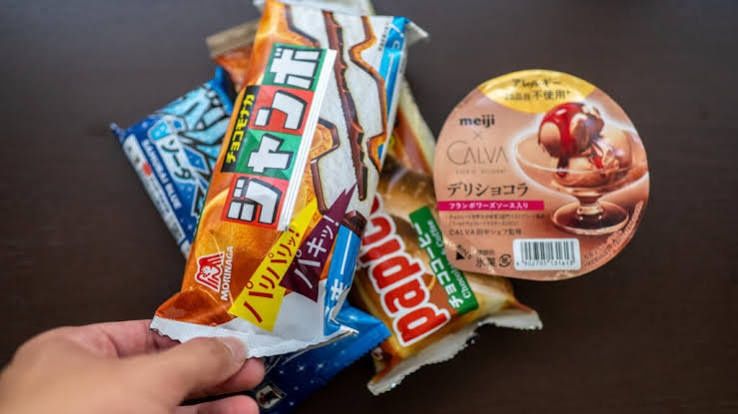
Japan's Fair Trade Commission has intensified its antitrust scrutiny of the country's ice cream sector, conducting simultaneous raids on six of the nation's largest manufacturers on Tuesday in connection with suspected price-fixing arrangements. The coordinated enforcement action marks a significant crackdown on what authorities believe to be systematic collusion among competitors, with investigators focusing on whether company officials engaged in years of deliberate coordination to manipulate consumer prices during peak selling seasons.
The targeted firms—Meiji Co., Morinaga Milk Industry Co., Lotte Co., Ezaki Glico Co., Morinaga & Co., and Akagi Nyugyo Co.—represent a substantial share of Japan's ice cream market. According to sources familiar with the investigation, officials at these companies are suspected of using email communications and in-person meetings to orchestrate the timing and magnitude of successive price increases. This alleged coordination extended across multiple years, suggesting a coordinated pattern rather than isolated instances of market-responsive pricing decisions.
The investigation gained momentum partly due to observable market patterns that attracted regulatory attention. Since approximately 2022, these ice cream manufacturers have implemented retail price increases in a strikingly synchronized manner, with hikes occurring at nearly identical times throughout the year. Such uniformity in pricing behaviour across competing firms raises suspicion of coordination rather than independent commercial decisions responding to market conditions. The consistency of this pattern provided Japanese regulators with compelling grounds to initiate formal investigations.
Beyond simple price coordination, the JFTC is examining whether the companies capitalized on inflationary pressures to impose price increases substantially exceeding what raw material cost increases would justify. This aspect of the investigation probes whether the firms used macroeconomic conditions as cover to boost profit margins beyond legitimate pass-through of production costs. Such conduct would represent particularly egregious cartel behaviour, exploiting consumer vulnerability during economically uncertain periods.
The timing of the raids is significant given the approaching summer season, traditionally the most lucrative period for ice cream manufacturers across Asia. With peak demand approaching, the enforcement action sends a clear message about regulatory resolve to maintain competitive markets during periods of heightened consumer spending. The investigation arrives at a moment when Japanese households remain sensitive to pricing practices, making ice cream—a discretionary purchase category—a visible and politically salient market segment.
Industrial data underscores the economic importance of the sector under investigation. During the fiscal year ending in March, Japanese ice cream sales reached a record-breaking threshold of more than 660 billion yen, buoyed by exceptional summer heat that marked the most sweltering season since systematic Japanese temperature records commenced in 1989. The sector's substantial size and growth trajectory amplify the significance of potential competition violations, as collusive practices affect a consumer base numbering in the millions.
Most of the six targeted companies swiftly issued public statements acknowledging the raids and pledging cooperation with investigators. Akagi Nyugyo, through official Natsuyo Suzuki, confirmed that the firm received an on-site inspection and committed to working constructively with authorities throughout the investigative process. This measured corporate response contrasts with the gravity of the allegations, reflecting standard practice for companies navigating antitrust proceedings, though public compliance statements do not prejudge the ultimate findings.
The potential consequences for confirmed violations carry substantial weight. Should the JFTC establish cartel conduct, the commission possesses authority to mandate significant corrective measures, including mandatory restructuring of business practices and substantial financial penalties. Such sanctions can materially affect corporate profitability and shareholder value, creating strong incentives for companies to settle promptly if evidence proves compelling. The prospect of penalties extends beyond the immediate firms to their shareholders and potentially to consumers through subsequent pricing adjustments.
This investigation reflects broader international trends in competition enforcement, particularly in Asia-Pacific markets where competition authorities increasingly scrutinize price coordination in consumer-facing sectors. South Korea, Taiwan, and other regional economies have similarly pursued price-fixing cases in food and beverage industries. Japan's action aligns with renewed global focus on collusive practices that harm consumer welfare, particularly in essential and discretionary goods categories.
The case carries implications extending beyond the ice cream sector itself. If prosecutors establish systematic collusion among Japan's leading manufacturers, it may prompt regulatory reviews of other concentrated consumer product industries, including dairy, confectionery, and beverages. Successful prosecution could establish precedent affecting corporate compliance practices throughout Japanese industry, potentially increasing pressure on companies to strengthen internal controls preventing anticompetitive communication.
For Malaysian and Southeast Asian consumers and businesses, this case illustrates how regional competition authorities increasingly apply sophisticated investigative techniques to detect price coordination. Companies operating across multiple markets face mounting compliance obligations, as coordinated pricing strategies face heightened scrutiny even when individual pricing decisions appear commercially defensible. Supply chain partners and distributors must anticipate potential disruptions if Japanese manufacturers face restrictions requiring restructured business relationships.
The investigation also highlights consumer protection prioritization during economically sensitive periods. As inflation remains a persistent concern across Asia-Pacific economies, regulatory attention to price-fixing conduct serves to protect household purchasing power and maintain competitive market dynamics. The JFTC's assertive enforcement approach suggests that companies cannot rely on macroeconomic conditions as justification for coordinated price increases, establishing a higher compliance standard for competitive conduct during periods of economic transition.