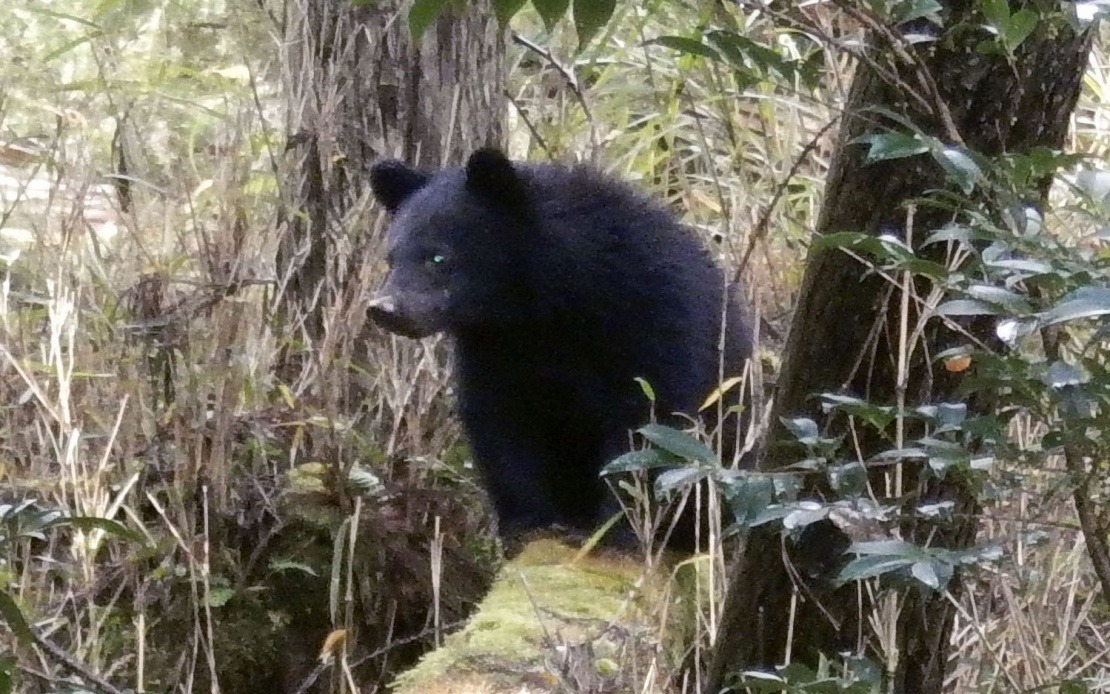
Japan's escalating wildlife crisis is creating an unexpected secondary problem: administrative breakdown at the municipal level due to hostile public complaints. A government survey released by the Ministry of Internal Affairs and Communications has revealed that over 40 per cent of local authorities responding to unprecedented numbers of bear encounters are struggling with waves of abusive phone calls, threatening messages, and coordinated online harassment campaigns targeting their staff.
The Japanese government commissioned a targeted survey of 40 prefectural and municipal governments that have been at the frontline of managing the bear crisis. The findings paint a troubling picture of public discourse around wildlife management, with 17 local governments confirming that handling bear-related complaints has significantly disrupted their normal operations. Several of these municipalities have formally requested that the central government develop clear operational guidelines to help them navigate both the wildlife management challenge and the accompanying public relations crisis.
The nature of complaints officials are receiving reveals a deeply polarized public opinion on how bears should be handled. Among the 17 affected local governments, 10 reported fielding complaints that required extensive time investment, including phone calls extending beyond one hour in duration. An additional five municipalities described being overwhelmed by electronic complaints flooding their official websites and email systems, suggesting that harassment campaigns may be coordinated across digital platforms.
Some of the most aggressive incidents documented in the survey illustrate the emotional intensity surrounding wildlife protection debates. Officials received messages with explicit demands such as "Don't you ever kill bears!" alongside abusive calls from repeat callers insisting on speaking directly with governors. Conversely, when one municipality released a captured bear, it was bombarded with opposing messages demanding to know "Why didn't you kill it?" This contradiction underscores how the same policy action generates contradictory rage from different segments of the public.
In a particularly disturbing development, harassment of individual staff members has escalated beyond mere complaints. One local government reported that a wildlife protection advocate photographed an employee responsible for handling bear-related issues without consent and subsequently distributed the images on social media platforms. This incident represents a crossing of professional boundaries and raises serious concerns about the personal safety and privacy of public servants attempting to do their jobs.
The timing and scale of this administrative crisis cannot be separated from the underlying wildlife emergency. Japan recorded more than 50,000 bear encounters during the year ending March 2024, representing a record high and doubling the number from the previous 12-month period. This surge in human-wildlife conflict has created an unprecedented demand on municipal resources, forcing staff to operate under significant pressure while simultaneously managing an increasingly aggressive public.
The Ministry of Internal Affairs and Communications conducted this survey over approximately one year, beginning in July of the previous year, to document the scope of the problem and identify which municipalities required the most urgent support. Officials from the ministry have publicly acknowledged that the situation demands immediate attention, with one representative noting that "measures are needed to reduce the burden on frontline staff."
For Southeast Asian observers, Japan's experience offers important lessons about how wildlife management policies can become deeply politicized and how social media can amplify harassment campaigns against public employees. Malaysia and other regional nations managing their own conflicts between human development and wildlife conservation could benefit from understanding how the Japanese system is struggling with the intersection of ecological pressure and public hostility. The incident also raises questions about worker protections and mental health support for government staff facing online harassment.
The survey results suggest that Japan's bear crisis is not simply an environmental or wildlife management problem, but rather a governance and public administration challenge that extends into questions of workplace harassment, digital civility, and how democratic societies adjudicate competing values around conservation and public safety. The central government now faces pressure to develop not only wildlife management protocols but also protocols for protecting officials from abusive conduct while they implement these policies. Without addressing the secondary crisis of staff harassment, municipalities may find it increasingly difficult to recruit and retain employees willing to work on bear-related issues, further constraining the nation's capacity to respond to the underlying ecological emergency.
The broader implications suggest that as wildlife encounters intensify across the region due to habitat loss and climate change, other countries should anticipate similar dynamics where technical management problems become entangled with heated public debate and social media mobilization. Building institutional resilience and establishing clear communication strategies may become as important as developing sound ecological policies.

