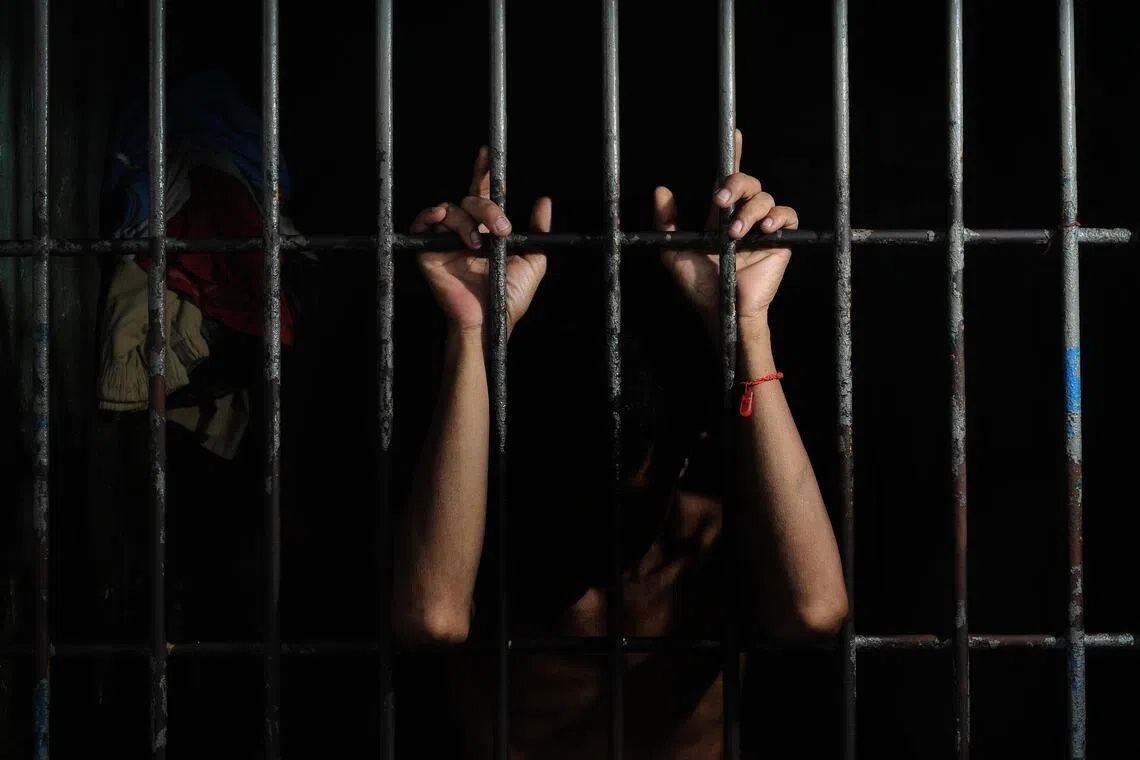
A grieving mother in western Japan has turned to the courts seeking compensation for the death of her teenage daughter, highlighting the dark consequences of Japan's controversial "hostage justice" system—a practice where authorities allegedly use prolonged detention and psychological pressure to coerce confessions from suspects. The case, filed at Kobe District Court in June, represents another indictment of criminal procedures that rights advocates argue prioritize confession extraction over evidence-based investigation.
The girl, identified only as Runa in legal proceedings, was arrested in June of the previous year while working at a care facility for people with disabilities in Hyogo prefecture. She faced allegations of assaulting a patient during a Valentine's Day celebration, though her account differed sharply from the charge—she claimed she was merely attempting to prevent the patient from biting another person by gently pressing her hand against their chin. What followed was an ordeal that fundamentally altered her physical and mental state, culminating in her death five months after release when she weighed merely 20 kilograms, a skeletal frame that horrified her mother.
During eighteen consecutive days in custody, Runa endured a battery of interrogations designed to break her resistance. According to court documents and testimony from her legal representative Masahiro Sasaki, investigators repeatedly told her "You did it, didn't you? Just tell the truth," a refrain documented in a journal she managed to maintain during detention. More insidiously, authorities threatened her with reformatory placement and separation from her mother, leveraging familial bonds as psychological weapons to extract a confession she maintained was false. She was denied access to family members entirely, permitted contact only with her lawyers, creating an isolation designed to maximize interrogative pressure.
The legal complaint frames the arrest itself as unjustifiable given the alleged incident's minor nature and Runa's profile as a previously unblemished teenager living under parental supervision. Her lawyer has questioned why detention was deemed necessary when no reasonable fear existed that she would flee or destroy evidence. Yet prosecutors extended her detention twice, actively opposing her lawyer's appeals to a judge for release. The system appeared designed to break her will rather than investigate the facts—a pattern critics say defines "hostage justice."
During her incarceration, Runa developed acute stress disorder, eating disorder, and post-traumatic stress disorder, conditions that persisted and deteriorated after her eventual release. Prosecutors finally agreed to drop all charges entirely, but only after Runa had physically collapsed and vomited, requiring hospitalization. By then, the psychological and physical damage was irreversible. The timeline suggests that authorities recognized the case's weakness only when confronted with evidence of serious harm to their suspect—a reactive approach that came too late to save her life.
The compensation claim of 100 million yen—approximately US$623,000—represents not merely financial restitution but an institutional rebuke of practices that have persisted in Japan's criminal justice system despite decades of international criticism. Japan's procedural framework has been widely criticized by human rights organizations, which argue that the presumption of innocence exists more in theory than practice. Suspects often face a system where remaining silent or maintaining a declaration of innocence paradoxically extends detention, creating perverse incentives to confess regardless of actual guilt.
This phenomenon, termed "hostage justice" by critics, reflects deeper structural issues within Japan's approach to criminal investigation. Police and prosecutors operate within a framework where confession rates serve as performance metrics, and lengthy interrogations form the backbone of case-building. Unlike adversarial systems emphasizing cross-examination and evidence presentation, Japan's investigative approach concentrates power in official hands, with suspects effectively hostages to the state's desire for confession. The system presumes that guilty parties will eventually break under sustained pressure, a logic that inevitably ensnares innocent individuals who lack the psychological fortitude to withstand coercion.
Runa's case echoes broader patterns documented in Japan's criminal justice apparatus. The most infamous example is Iwao Hakamada, who spent decades on death row before his convictions were quashed in 2024. Japan's Supreme Court explicitly ruled that his confessions had been extracted through "inhumane" interrogations, yet this recognition came only after he had already spent the better part of his life imprisoned for crimes he did not commit. His eventual exoneration and Runa's death underscore how the system produces both false convictions and broken victims—sometimes both simultaneously.
The Kobe District Public Prosecutors Office has declined substantive comment, stating they had not yet officially received the complaint at the time of inquiry. This procedural dodge obscures rather than addresses the fundamental question: how does a modern democracy allow 18-day detentions of teenagers based on allegations as minor as the one against Runa, particularly when authorities subsequently determined the case merited no prosecution? The refusal to engage suggests institutional defensiveness rather than confidence in investigative practices.
For Malaysian observers, Runa's case offers cautionary perspective on criminal justice systems. While Malaysia operates under different legal frameworks, the fundamental tension between efficiency and fairness, between investigative authority and individual rights, transcends borders. Japan's experience demonstrates how systems ostensibly designed to solve crimes can instead create victims through procedures that outlast evidence and substitute psychological coercion for genuine investigation. The persistent international criticism of "hostage justice" reflects not cultural misunderstanding but legitimate concern about whether confession-dependent systems can ever fairly protect innocent suspects.
The lawsuit represents a potential inflection point, though change in Japan's entrenched criminal justice system typically moves slowly. International pressure, domestic advocacy, and high-profile cases like those of Hakamada and Runa gradually accumulate weight within policy discussions. Yet each case filed signals that families of victims—victims of the system itself—refuse silent acceptance of practices that destroy lives while purporting to serve justice. Runa's mother's determination to pursue compensation and accountability may ultimately prove more consequential than the monetary award itself, as it maintains visibility over practices that institutional inertia would prefer to obscure.