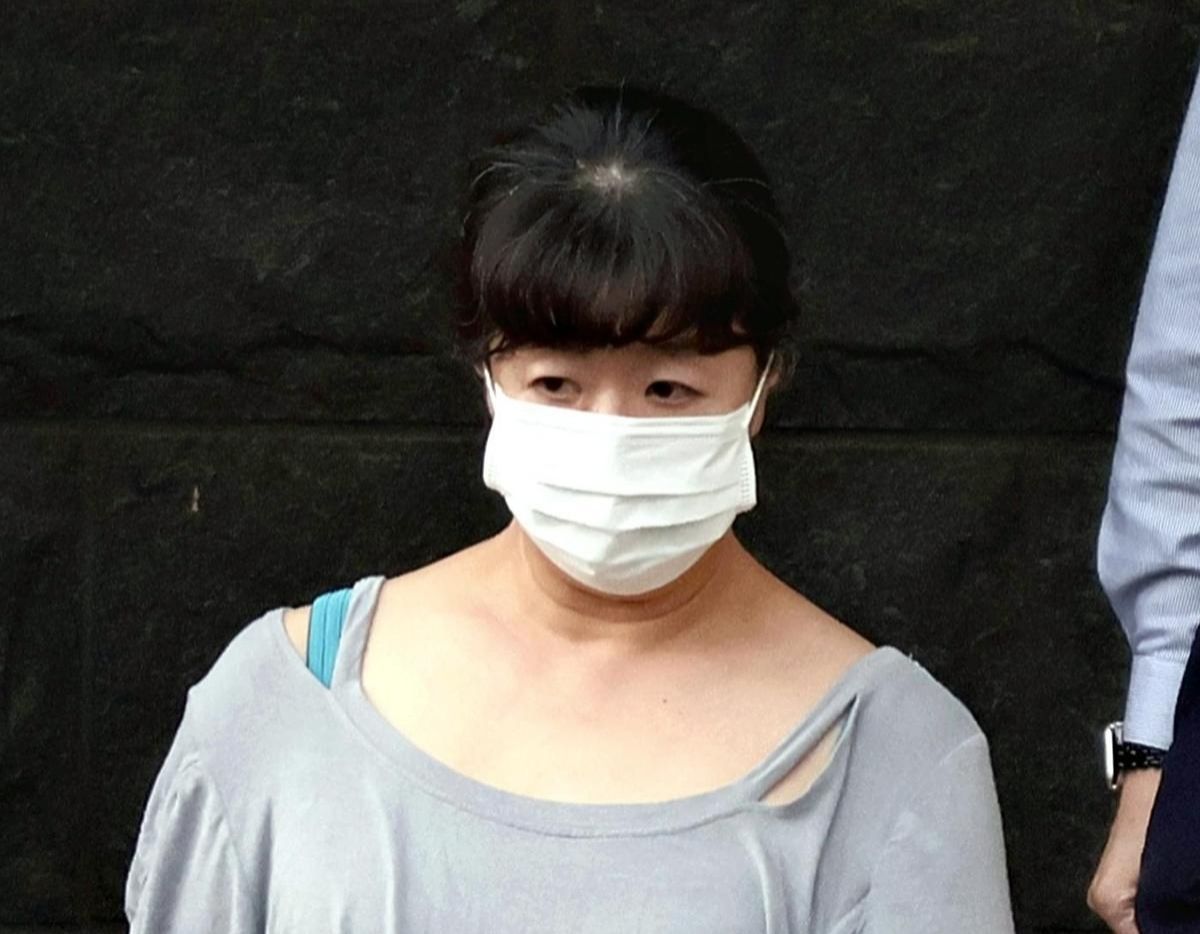
A 51-year-old midwife in Japan's Chiba Prefecture has been taken into custody on murder charges following the death of an elderly patient at a major hospital facility. Miyuki Furukawa, a resident of Kashiwa, was arrested on Wednesday after police determined she deliberately introduced faeces into an intravenous drip line administered to a 75-year-old male patient. The incident, which has shocked the medical community and raised serious questions about hospital safety protocols, occurred at Kashiwa Tanaka Hospital during the early morning hours of January 30.
According to investigators from the Chiba prefectural police, Furukawa allegedly injected the biological contaminant into the extension tube of the patient's IV drip at approximately 3:55 a.m. The 75-year-old victim, a resident of neighbouring Toride in Ibaraki Prefecture, was undergoing treatment at the facility at the time. The patient's condition deteriorated rapidly following the alleged contamination, and he was pronounced dead just under seven hours later at approximately 10:30 p.m. on January 31. Medical authorities have linked his death directly to this deliberate act.
The nature of this case represents an extraordinary breach of trust within the healthcare system and highlights vulnerabilities that exist even in established medical institutions. The fact that such a serious act could occur within a hospital setting raises profound concerns about monitoring systems, staff oversight, and the general security of patient care areas. Kashiwa Tanaka Hospital has not yet made a formal public statement regarding the incident or what security measures may have been in place at the time of the alleged contamination.
Furukawa's role as a midwife adds another layer of complexity to the investigation, as it raises questions about how a professional in a different medical speciality gained access to this particular patient's treatment area and equipment. The arrest comes several months after the actual incident, suggesting that the investigation required considerable time to establish conclusive evidence linking Furukawa directly to the patient's death. Police have formally charged her with murder, indicating they believe the act was intentional and that causation between the contamination and the patient's death can be established.
For Malaysian healthcare providers and administrators, this case serves as a sobering reminder of the importance of comprehensive security measures within hospital environments. While such incidents remain rare globally, the potential for malicious interference with patient care systems demands constant vigilance. Malaysian hospitals, which serve millions of patients annually across both public and private sectors, must examine their own protocols for protecting vulnerable medical equipment and access to intensive care areas. The case underscores why background checks, staff training, and monitoring systems remain critical investments.
The incident also highlights the psychological dimension of healthcare criminality. Authorities are currently investigating Furukawa's motive, attempting to determine whether personal grievance, psychological disturbance, or other factors drove her to commit what would constitute one of the most serious breaches of medical ethics imaginable. Understanding such motivations can help other institutions identify warning signs and implement appropriate preventive measures.
From a regional perspective, this case demonstrates how even technologically advanced healthcare systems in developed nations remain vulnerable to deliberate harm from within. Japan's reputation for meticulous attention to detail and safety standards across industries makes this incident particularly noteworthy. It suggests that no system is completely immune to determined malicious action, and that continued investment in security infrastructure and staff psychological assessment remains justified regardless of national development level.
The death of the 75-year-old patient has profound implications for his family and community in Toride, but it also reverberates through the wider Japanese healthcare sector. Kashiwa Tanaka Hospital will likely face both legal scrutiny and reputational consequences as investigations continue. Questions will inevitably arise regarding whether the facility implemented adequate safeguards to prevent unauthorised interference with patient care equipment. Insurance implications and potential civil liability claims may follow the criminal proceedings against Furukawa.
For healthcare systems throughout Southeast Asia, including Malaysia, this case reinforces several key priorities. First, physical security around patient care areas and medical equipment requires constant assessment and improvement. Second, institutional culture must emphasise reporting concerns about unusual staff behaviour or suspicious activities. Third, background investigations and periodic psychological wellness checks for healthcare staff deserve serious consideration. Finally, hospitals must establish clear chains of custody and access protocols for all critical patient care equipment and medications.

