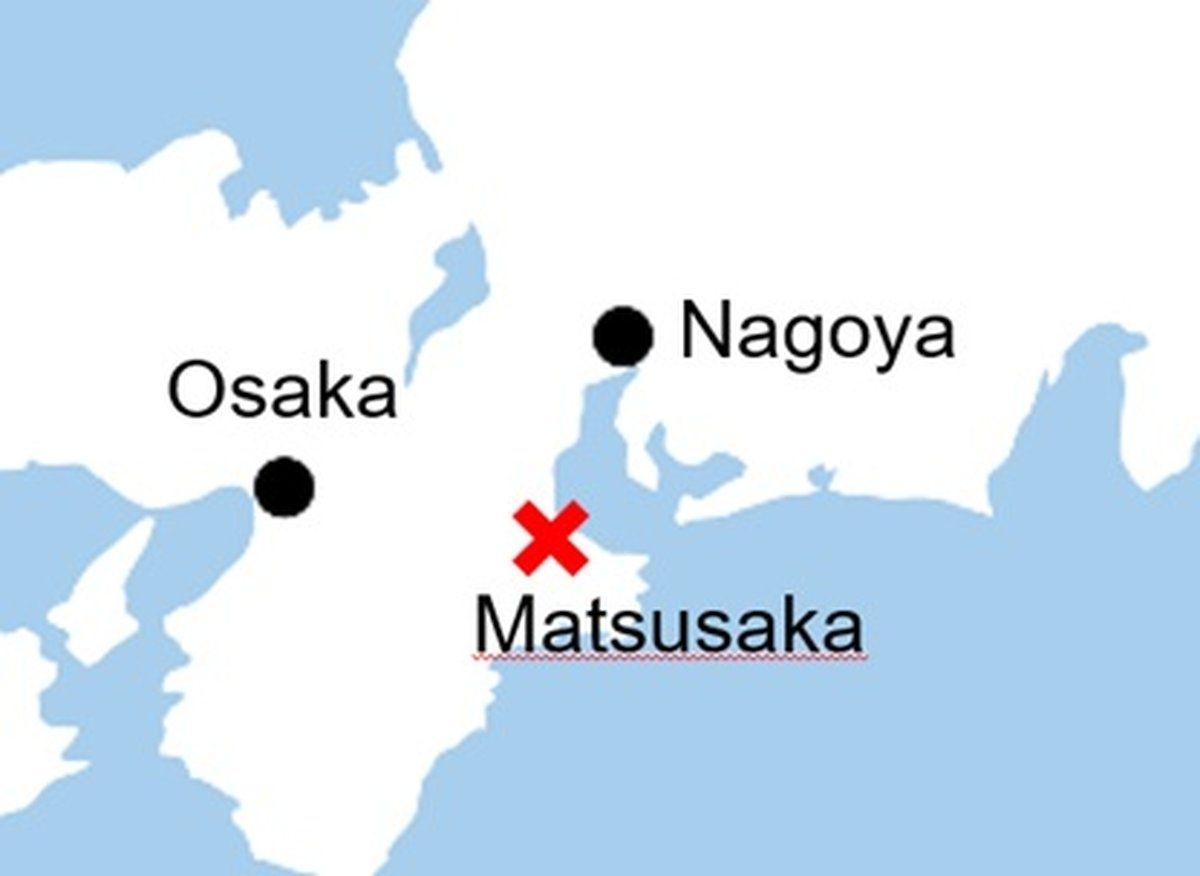
A 35-year-old resident of Matsusaka in Mie Prefecture, Japan, has been taken into custody following allegations that he locked his partner's five-year-old daughter inside a garbage bin. The arrest came on Thursday, June 18, after authorities initiated an investigation into the incident that occurred on May 12 at the family home. Police confirmed that the man has acknowledged responsibility for his actions, marking a significant development in what authorities are treating as a case of unlawful confinement of a minor.
The incident unfolded when the suspect allegedly transported the young girl to a garbage container and confined her within it by closing the lid, all occurring around 6:30pm at his partner's residence in the prefecture. What makes this case particularly disturbing is the suspect's justification for the act. Rather than acknowledging wrongdoing, the man characterised the confinement as a disciplinary measure—a claim that underscores a troubling disconnect between his perception of child rearing and accepted standards of child protection.
Physically, the child emerged from the ordeal without injury, having spent approximately five minutes inside the confined space. The duration, though brief in absolute terms, represents a harrowing experience for a young child, raising questions about the psychological impact such treatment might inflict. Medical professionals and child psychologists would typically view such incidents with serious concern, as young children confined in dark, enclosed spaces may experience trauma regardless of physical harm.
The discovery of this abuse came not through immediate family intervention but through institutional oversight. On May 20, nearly a week and a half after the incident, a child welfare centre became aware of what had occurred and promptly reported the matter to law enforcement. This timeline highlights the critical role that social welfare systems play in identifying and protecting vulnerable children who may otherwise remain trapped in abusive environments. Without the welfare centre's vigilance, the incident might have gone unaddressed indefinitely.
The protective response extended beyond the immediate victim. Authorities took the decision to place the girl's older sister into the protective custody of the child welfare centre as well. This broader intervention reflects a precautionary approach based on the principle that if one child in a household has experienced abuse, others are at heightened risk. The move indicates that officials determined the home environment posed sufficient danger to warrant removing both children from the situation.
This case carries significant implications within the broader context of child protection in East Asia. Japan, like many developed nations, has established legal frameworks and welfare institutions designed to safeguard children from abuse. However, incidents such as this underscore persistent gaps in how such protections function in practice. The week-long delay between the incident and official intervention suggests that mechanisms for early detection and prevention of child abuse remain imperfect.
The suspect's characterisation of confinement as discipline also reflects concerning attitudes toward child-rearing that may persist in some households across the region. While corporal punishment has become increasingly stigmatised in many Western countries, traditional approaches to discipline remain more common in some Asian contexts. This tension between evolving international child protection standards and longstanding cultural practices presents an ongoing challenge for authorities seeking to establish and enforce protective boundaries.
For Malaysian readers, this case resonates within our own ongoing discussions about child protection frameworks and the enforcement of laws protecting minors. Malaysia has similar welfare systems and legal protections, yet incidents of child abuse continue to surface regularly. The Japanese case serves as a reminder that even in developed, well-resourced societies with established welfare institutions, children remain vulnerable to maltreatment by those in positions of trust and authority.
The incident also raises questions about the effectiveness of early warning systems. The five-day gap between the May 12 incident and the May 20 report to authorities suggests that the incident came to light through observation by third parties rather than through proactive monitoring or reporting by family members. This pattern—where abuse is discovered by external parties rather than prevented through internal family support—indicates that preventive interventions remain reactive rather than truly preventive.
Moving forward, this case will likely contribute to discussions within Japan about strengthening welfare systems, improving training for professionals who interact with children, and enhancing public awareness of what constitutes child abuse. The suspect's admission of guilt removes questions of legal proof, but leaves open broader questions about his mindset, background, and whether he received any parenting education or counselling regarding appropriate discipline methods.
The arrest represents accountability for a specific incident, yet serves as a broader indicator of systemic challenges in child protection that extend across multiple societies. For the children involved, removal from the home environment provides immediate safety, though their long-term wellbeing will depend on the quality of care and psychological support they receive through the welfare system. This case exemplifies why robust, well-funded child protection infrastructure remains essential across the region.