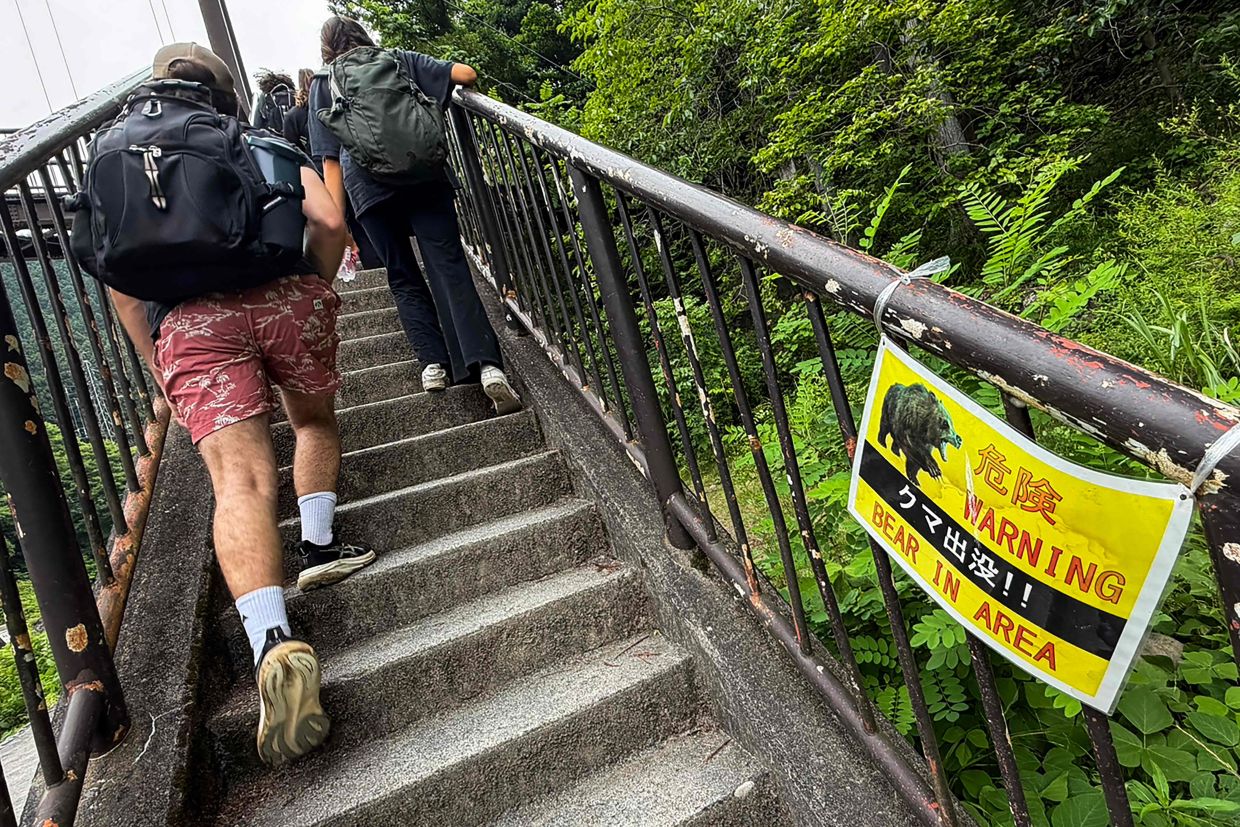
Faced with an unprecedented crisis of wildlife-human conflict, Japan is undertaking an ambitious technological response to understand and manage its expanding bear population. Environmental authorities have begun installing more than 800 surveillance cameras across the country's northern mountains as part of a comprehensive wildlife census, with officials announcing the initiative on Thursday after months of escalating incidents. The deployment represents a significant shift in how Japan approaches predator management, moving from fragmented local efforts to a coordinated national strategy backed by data collection and analysis.
The urgency of this response stems from a troubling escalation in bear-related fatalities. At least five people have been killed since April 1, all within the Tohoku region in Japan's north, continuing a alarming trajectory set in the previous fiscal year when 13 fatal attacks were recorded across the entire nation. For residents living in the affected areas, the constant threat has become inescapable. National news outlets provide daily updates on bear sightings in unexpected locations—shopping malls, public parks, and school premises—creating an atmosphere of apprehension that extends well beyond the mountains themselves. The bears, it appears, are becoming bolder in their encroachments into human spaces, suggesting that the traditional boundaries between wilderness and civilisation are dissolving.
Scientists and environmental specialists attribute the growing bear population partly to demographic shifts within Japan itself. As rural communities depopulate—a phenomenon driven by young people migrating to urban centres for employment and opportunity—the traditional human presence that once discouraged bears from venturing into settled areas has diminished significantly. With fewer people maintaining agricultural land, collecting forest resources, and generally inhabiting rural regions, bears have expanded their range and numbers unchecked. This creates a paradox common to many developed nations: modernisation and urbanisation inadvertently reclaim wilderness areas for wildlife that had been pushed back by generations of human activity.
Under the leadership of environment ministry official Yu Takahashi, the new survey programme represents a departure from previous ad-hoc approaches. Until recently, individual local governments managed bear monitoring using inconsistent methodologies and conducting surveys at different times throughout the year, producing fragmented and incomparable data. The new strategy focuses initially on six major bear population groups concentrated in Tohoku before systematically expanding across all regions over a four-year timeframe. This structured approach will enable authorities to develop evidence-based policies rather than reactive measures, providing the scientific foundation necessary for long-term management decisions.
The monitoring method itself demonstrates ingenuity adapted to wildlife behaviour. Technicians place jars containing honey mixed with wine at approximately head height, creating an irresistible attractant. When bears stand on their hind legs to investigate and sniff the sweet mixture, the cameras capture images of their distinctive white chest markings, allowing individual identification and population tracking. This technique leverages bears' predictable behaviour patterns while generating reliable visual data—far more effective than traditional methods relying on sightings reported by residents or hunters. The approach reflects how modern conservation increasingly employs technology to gather objective information about animal populations in their natural habitats.
Beyond the scientific monitoring initiative, the incidents continue to mount. This week, authorities are investigating a potential sixth fatality after discovering a body bearing bite marks in a mountainous Tohoku location, indicating that even as officials plan long-term solutions, immediate dangers persist. The pace of attacks suggests the problem is not stabilising but rather intensifying, particularly as bears emerge from hibernation and venture into populated areas in search of food. The seasonal pattern compounds the crisis: spring and early summer bring heightened activity precisely when residents are most active outdoors and schools are in session.
One incident underscores how bear-related anxiety has permeated Japanese society. A 22-year-old Vietnamese national was arrested on obstruction of business charges after accidentally discharging anti-bear spray inside a post office in Nagoya city. The accident resulted in five people requiring hospital treatment, demonstrating how the widespread adoption of bear deterrent devices—while necessary for personal protection—creates secondary public safety risks. The young man reportedly apologised and explained the discharge was unintentional, highlighting how precautions intended to mitigate wildlife danger can themselves become sources of harm in crowded urban environments.
The practical consequences of bear incursions have already disrupted normal life in affected communities. In June, authorities required four days to capture a single bear prowling Utsunomiya, located north of Tokyo, an operation involving dozens of police officers, professional hunters, and municipal officials. The incident forced widespread school closures, affecting thousands of students and families. Another bear that demonstrated remarkable intelligence—reportedly opening windows and manipulating household fixtures—attacked four people across two separate factory locations in Fukushima and eluded capture for extended periods. These incidents highlight not merely the frequency of attacks but the sophistication and adaptability of individual bears, making standard containment procedures increasingly unpredictable.
Safety recommendations issued by authorities reflect the precarious balance residents must maintain between normal activities and bear avoidance. Officials counsel against solitary mountain journeys, recommend attaching bells to bags to alert approaching bears, and encourage carrying bear spray—capsaicin-based aerosols that cause burning sensations similar to exposure to chili pepper compounds. These aerosols, sold through outdoor recreation retailers, have become standard equipment for anyone venturing into wilderness areas. Yet the proliferation of such deterrents also suggests that bear encounters, once considered exceptional events, have become normalised occurrences warranting routine precautions.
The geographic context amplifies the challenge confronting Japanese authorities. Mountains comprise approximately 80 percent of Japan's terrain, creating vast habitat where bears roam naturally but increasingly overlap with human activity. This topography, combined with Japan's high population density in remaining lowlands, creates frequent collision points. The camera deployment strategy represents acknowledgment that managing this coexistence requires understanding bear movement patterns, population dynamics, and habitat preferences in granular detail. Without such knowledge, authorities operate reactively, responding to incidents rather than implementing preventive measures based on predictive analysis.
For Malaysia and other Southeast Asian nations, Japan's experience offers instructive lessons about human-wildlife conflict escalation in densely populated regions. While Malaysia faces different species—elephants, tigers, and other tropical megafauna—the underlying dynamics mirror Japan's situation: rural depopulation, forest conversion, and expanding urban-wilderness interfaces create increasing confrontations. Japan's technological approach to monitoring and the institutional framework being constructed suggest potential models for regional wildlife management, particularly as climate change and land-use transformation accelerate conflicts across Asia. The willingness to invest substantial resources in understanding wildlife populations before implementing control measures reflects a precautionary approach that contrasts with purely culling-based strategies elsewhere.

