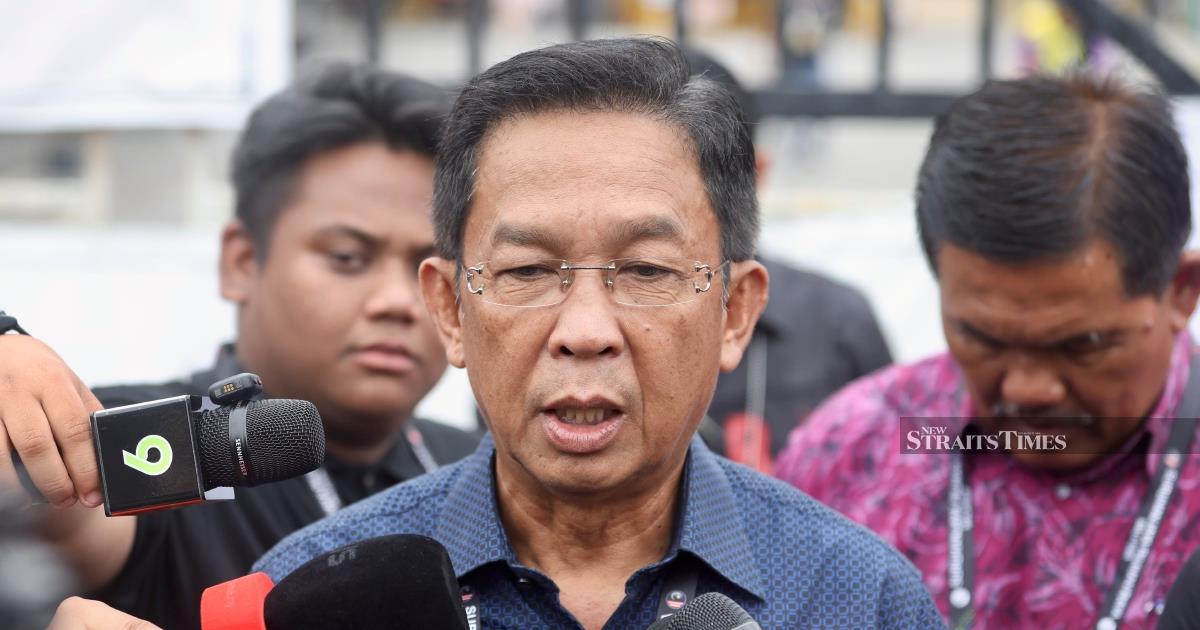
Negri Sembilan Umno Liaison Committee chairman Datuk Seri Jalaluddin Alias has offered an explanation for his conspicuous absence from the recent menteri besar swearing-in ceremony at Istana Besar Seri Menanti, attributing it to last-minute scheduling that prevented him from making appropriate arrangements to attend the state-level event.
The clarification addresses what some observers interpreted as a notable gap in the attendance of senior party figures at the formal installation ceremony, which carries significant symbolic weight in Malaysia's political calendar. Such events typically draw senior government officials, party leaders, and dignitaries from across the state and federal levels, making the absence of a key Umno figure a matter of public notice and speculation among political analysts and media observers tracking developments within the party's state machinery.
Jalaluddin's explanation underscores a broader pattern within Malaysia's political establishment, where ceremonial events often unfold against tight operational timelines. The swearing-in of a menteri besar, as the chief executive of a state, ranks among the most formal occasions on the political calendar, yet organisational logistics can sometimes create friction between organisers' intentions and participants' availability. The insufficient notification period apparently prevented the Umno liaison chief from altering his existing commitments.
The incident reflects the intricate positioning within Umno's state operations in Negri Sembilan, a strategically important state that has seen considerable political shifts in recent years. The role of the Negri Sembilan Umno Liaison Committee chairman places Jalaluddin at a critical junction between the federal party apparatus and state-level operations, making his presence at such ceremonies a matter of organisational significance within the party hierarchy.
Negri Sembilan has long been considered a bellwether for larger political trends across Malaysia, given its mixed urban and rural demographics and its swing-state characteristics during elections. The state government's composition and the relationships between senior figures within the ruling coalition carry implications that ripple across the broader Malaysian political landscape, particularly regarding how Umno consolidates its position in the post-2018 era and navigates its relationship with coalition partners.
The menteri besar position itself represents the apex of state executive power, and the ceremonies surrounding its assumption carry ceremonial importance that extends beyond mere formality. These occasions provide opportunities for party leadership to demonstrate unity and organisational coherence to both the public and internal party structures. When senior party figures are absent, particularly without prior explanation, it inevitably invites questions about internal dynamics, scheduling coordination, or possible deliberate positioning on complex political matters.
Jalaluddin's clarification attempts to reframe the absence as a purely logistical matter rather than any indication of political tension or disagreement with the proceedings. His role as liaison committee chairman demands that he maintain operational connections between federal Umno headquarters and state party structures, positioning him as a crucial figure in executing party directives and maintaining party discipline at the state level. The need to issue a public explanation suggests that initial commentary or speculation had created sufficient public interest to warrant an official response.
For Malaysian readers following state politics, such incidents offer insights into how the machinery of power operates at the state level, where ceremonial protocol meets practical governance challenges. The willingness of senior figures to offer explanations for their attendance or absence at high-profile events demonstrates the heightened scrutiny that accompanies high office in Malaysia's media environment. The public explanation also reflects expectations regarding transparency and accessibility that modern political figures must navigate.
The broader context involves understanding how Negri Sembilan's political configuration reflects national trends, particularly regarding Umno's ongoing efforts to reestablish and consolidate its organisational strength following major political upheavals. State-level ceremonies provide platforms for demonstrating unity and presenting a cohesive public image, making explanations for absences an occasional necessity in Malaysia's contemporary political discourse. Jalaluddin's clarification, while addressing a specific incident, also serves to maintain the narrative of party functionality and organisational coherence as Umno continues adapting to Malaysia's evolving political environment.

