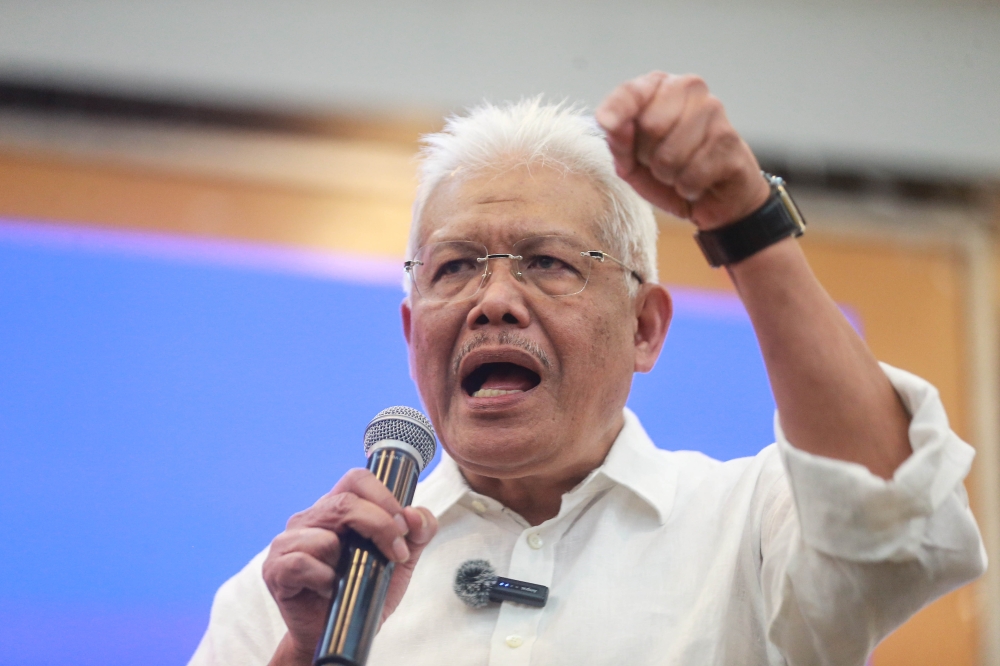
Deputy Prime Minister Hamzah Zainudin has signalled that Negeri Sembilan Umno chairman Datuk Seri Jalaluddin Alias stands among the leading contenders to become the state's next Menteri Besar should the Barisan Nasional-Perikatan Nasional coalition secure victory in upcoming elections. The remarks underscore the coalition's confidence in Jalaluddin's capacity to lead the prosperous central state, whilst also reflecting internal deliberations about potential leadership transitions across the coalition's political machinery.
Negeri Sembilan, positioned strategically between Kuala Lumpur and the southern corridor, represents a crucial electoral prize for the ruling coalition. The state's political alignment has historically reflected broader national trends, making contests there a barometer for federal sentiment. That Hamzah, who holds significant sway within both Umno and the Perikatan framework as Deputy Prime Minister, would publicly discuss succession arrangements suggests the coalition views the upcoming election as winnable and is already preparing governance structures for the post-election period.
Jalaluddin's elevation to the chairmanship of Negeri Sembilan's Umno branch positioned him as a natural successor to the current Menteri Besar. His tenure in that role has involved navigating the complex regional politics that characterise the state, where Umno's dominance has traditionally been tempered by factional dynamics and the significant political clout of Umno's coalition partners, particularly from the Perikatan Nasional alliance. The mention of him as a candidate—rather than the sole candidate—reflects both the coalition's democratic processes and the acknowledgement that other capable figures within the broader alliance structure could assume the role.
The strategic importance of Negeri Sembilan extends beyond state-level governance. The state generates substantial revenue for the federation and maintains important manufacturing and commercial hubs. Its position as a gateway to the Klang Valley corridor means that administrative competence at the state level directly affects economic performance across the region. For the coalition, securing the Menteri Besar's office with a capable administrator like Jalaluddin could strengthen their narrative about capable management and economic stewardship heading into the election campaign.
Hamzah's comments also reflect the coalition's confidence in their electoral prospects. Public discussion of succession arrangements typically occurs when political actors believe the outcome is sufficiently certain to permit such forward planning. By openly discussing potential candidates, the coalition simultaneously reinforces internal party discipline and demonstrates to voters that they possess depth of leadership talent ready to assume office. This approach distinguishes itself from opposition parties, which must focus simultaneously on current challenges and future positioning.
Negeri Sembilan's political landscape has undergone subtle shifts in recent years. The state has witnessed demographic changes, particularly in rapidly urbanising areas, which have altered voting patterns. Younger urban voters have become increasingly influential, whilst traditional rural constituencies remain important. Any Menteri Besar candidate, whether Jalaluddin or another contender, will need to address this evolving constituency profile and demonstrate responsiveness to contemporary concerns around education, employment, and cost of living alongside traditional bread-and-butter issues.
The reference to multiple candidates being considered for the position, rather than announcing Jalaluddin as the definitive choice, also preserves flexibility within the coalition framework. Should electoral dynamics shift or if other candidates within the broader Barisan Nasional and Perikatan Nasional structures gain prominence, the coalition retains options. This approach respects the coalition's internal decision-making protocols and avoids creating damaging perceptions of pre-determined outcomes that might alienate coalition partners or create resentment among other ambitious figures.
For Umno specifically, the Negeri Sembilan Menteri Besar position represents a significant prize. As the state's dominant political force, Umno has traditionally supplied the Menteri Besar, though coalition arrangements sometimes require negotiations. Ensuring that the party retains this position strengthens Umno's institutional position within the broader coalition structure and reinforces its relevance as an indispensable partner. Jalaluddin's appointment would underscore Umno's continued centrality to the coalition's success at state level.
Looking forward, the coalition's messaging around capable leadership will prove crucial to electoral success. Voters in Negeri Sembilan, like Malaysians nationally, face economic pressures and concerns about governance quality. The coalition's ability to present credible candidates—and to demonstrate that these candidates possess relevant experience and administrative capability—directly affects electoral calculus. Jalaluddin's background and current role as state party chairman provide the credentials necessary for such messaging, though the coalition will need to ensure that electoral campaign communications effectively communicate his suitability for the role.
The timing of Hamzah's remarks also carries significance. Publicly discussing potential Menteri Besar candidates in advance of electoral contests allows voters to evaluate candidates before casting their ballots. This transparency approach contrasts with secrecy and enhances democratic legitimacy. For coalition partners, knowing that succession planning is underway and that multiple qualified candidates exist reinforces confidence in the coalition's institutional depth and democratic functioning.
Ultimately, Hamzah's identification of Jalaluddin Alias as a leading candidate for Negeri Sembilan's top political post reflects broader coalition confidence and strategic positioning. Whether Jalaluddin ultimately assumes the position depends on multiple factors including electoral outcomes, coalition negotiations, and internal party dynamics. Nevertheless, his emergence as a serious contender indicates that the coalition takes the state contest seriously and views him as capable of managing one of the peninsula's more economically significant jurisdictions.

